Former Olympic Snowboarder and FBI Fugitive Ryan Wedding Arrested in Mexico

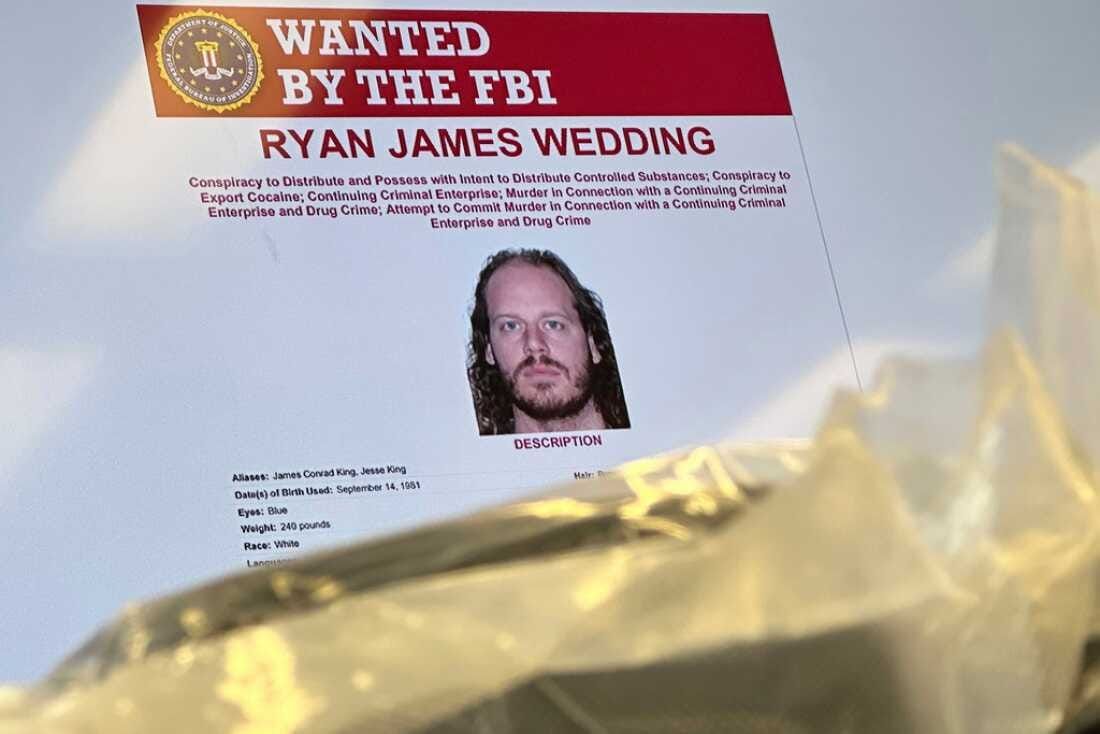
Former Canadian Olympic snowboarder Ryan Wedding — who had become one of the FBI’s Ten Most Wanted Fugitives — has been arrested in Mexico and is being transported to the United States to face a series of serious criminal charges. The arrest marks the end of a long-running international pursuit involving authorities from multiple countries and a reward of up to $15 million for information leading to his capture.
Wedding, 44, competed for Canada at the 2002 Winter Olympics in Salt Lake City, racing in the parallel giant slalom event early in his athletic career. Once celebrated for his Olympic participation, he later became the target of federal investigations and indictments alleging he operated a massive transnational drug trafficking network involving Latin America, Mexico, the United States, and Canada.
Alleged Drug Trafficking and Criminal Enterprise
Federal prosecutors have accused Wedding of leading one of the most prolific illegal narcotics operations in recent history, reportedly moving hundreds of kilograms of cocaine per year from Colombia across Mexico into the U.S. and Canada. Law enforcement officials also allege his network was supported by affiliations with powerful criminal organizations, including Mexico’s Sinaloa Cartel, which helped shield him while he remained at large.
Authorities say Wedding used several aliases — such as “El Jefe,” “Public Enemy,” and “James Conrad Kin” — while evading arrest, and that he had been hiding in Mexico for more than a decade before his capture.
Charges Include Drug Trafficking and Murder
Wedding’s arrest comes after federal indictments in 2024 accused him of running a sprawling criminal enterprise that included not only drug trafficking but also orchestrating multiple killings to protect his operation. Prosecutors say he ordered the assassination of a federal witness in a restaurant in Medellín, Colombia, in early 2025, among other violent acts tied to his alleged organization’s efforts to thwart law enforcement and maintain control over its illicit distribution channels.
The U.S. indictment also alleges that Wedding’s drug ring routinely smuggled cocaine into Canada and the U.S. using semitrucks, with his operation allegedly generating more than $1 billion annually in illegal proceeds. Other crimes linked to his network include additional murders and violent retaliation against perceived rivals.
Multinational Law Enforcement Cooperation Led to Arrest
Law enforcement agencies across North and Central America cooperated on the manhunt, with officials from the FBI, U.S. Department of Justice, Mexican authorities, Canadian law enforcement, and the RCMP contributing crucial information and resources. Their efforts culminated in Wedding’s arrest after he either turned himself in or was apprehended in Mexico earlier this week — a development confirmed by unnamed officials familiar with the investigation.
FBI Director Kash Patel highlighted the significance of the arrest, describing it as a major win in the international fight against organized crime and narcotics trafficking. A press conference with senior law enforcement officials was anticipated to provide further details on the operation.
Extradition and Court Proceedings Ahead
After his arrest in Mexico on January 22, 2026, Wedding was flown to California, where he is expected to make his first federal court appearance. U.S. Attorney General Pam Bondi and other senior prosecutors lauded the cooperation between countries that ultimately brought the fugitive into custody.
Wedding also faces separate charges in Canada dating back to at least 2015, with Canadian authorities expected to pursue legal proceedings once U.S. cases are addressed.
From Olympic Snowboarder to Infamous Fugitive
Wedding’s dramatic fall from Olympic athlete to internationally wanted fugitive has attracted intense media attention and public fascination. After his snowboarding career, he was first convicted in 2010 in the United States for conspiracy to distribute cocaine and served time in prison. After his release, authorities say he returned to drug trafficking, building a criminal network that grew significantly over the subsequent decade.
In March 2025, he was officially added to the FBI’s Ten Most Wanted Fugitives list, and the U.S. Department of State offered a multimillion-dollar reward for information leading to his capture and conviction.
Impact and Reaction
Officials from the U.S. and Canadian governments described the capture as a major victory in efforts to dismantle transnational drug trafficking networks and hold powerful criminal figures accountable. The arrest has also sparked renewed focus on international cooperation in combating narcotics and violence tied to organized crime.
As Wedding awaits prosecution in the United States, law enforcement sources continue to investigate his extensive network of associates and operations, with further arrests and seizures expected as part of the broader effort to dismantle the criminal enterprise he allegedly led.