Former CNN Anchor Don Lemon Arrested by Federal Agents Over Minnesota Church Protest

Former CNN anchor and independent journalist Don Lemon was taken into custody by U.S. federal law enforcement agents Thursday night in Los Angeles in connection with a controversial protest that took place earlier this month at a church in St. Paul, Minnesota, his attorney and multiple sources said. The arrest has rapidly drawn national attention and debate over press freedom, political activism and federal enforcement actions.
Lemon, 59, was in Los Angeles covering the Grammy Awards when federal agents detained him late Thursday, according to a statement from his lawyer, Abbe Lowell. The arrest stems from an incident on Jan. 18, when a group of anti-immigration enforcement protesters — including Lemon — entered Cities Church in St. Paul during a worship service and disrupted the proceedings. That demonstration was part of broader protests tied to criticism of Immigration and Customs Enforcement (ICE) policies and federal enforcement in the Minneapolis area.
What Happened at the Church
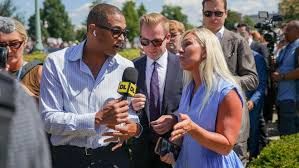
The protest at Cities Church occurred amid heightened tensions over recent federal immigration enforcement operations in the Twin Cities, which have sparked demonstrations following fatal shootings involving ICE agents. Protesters entered the church during a service, chanting against ICE and confronting worshippers. Lemon livestreamed portions of the event and interacted with both protesters and members of the congregation.
Federal authorities allege that Lemon and others violated U.S. law by interfering with the rights of worshippers and potentially infringing on protections that safeguard religious services and civil rights. Prosecutors have cited statutes such as the Freedom of Access to Clinic Entrances (FACE) Act and civil rights laws in connection with the protest, although formal charges against Lemon have not yet been fully detailed by the Justice Department.
Lemon’s Lawyer Condemns the Arrest
Lemon’s attorney has characterized the arrest as an attack on constitutional protections, particularly the First Amendment. In a statement, Lowell said that Lemon’s presence at the protest was part of his work as a journalist and that his reporting was “constitutionally protected work.” She criticized the Trump administration’s Department of Justice for pursuing the arrest rather than investigating other controversial federal actions, including questions around the handling of recent protest-related shootings in Minneapolis.
Lowell said Lemon intends to “fight these charges vigorously and thoroughly in court,” asserting that his decades of journalism should shield his reporting activities.
Legal Background and Magistrate Ruling
Prior to Thursday’s arrest, a federal magistrate judge in Minnesota had declined prosecutors’ initial effort to issue an arrest warrant for Lemon, concluding that there was insufficient probable cause at that stage. That decision drew both praise and criticism from legal observers and raised questions about whether the Justice Department would continue to pursue charges. Despite the magistrate’s ruling, federal prosecutors subsequently obtained a grand jury indictment, which paved the way for Thursday night’s arrest in Los Angeles.
Reactions and Broader Implications
News of Lemon’s arrest has sparked immediate reactions from journalists, press advocates, lawmakers and political commentators. Supporters argue that criminalizing a journalist for documenting public protests poses a threat to press freedoms and could set a concerning precedent. Organizations such as the Committee to Protect Journalists and civil liberties groups have called for clarity on the charges and emphasized the importance of protecting press access to public events.
Attorney General Pam Bondi publicly defended the decision to pursue arrests related to the Minnesota church protest, describing the disruption of a religious service as a serious matter. The Justice Department has not yet released a full list of charges filed against Lemon or the other individuals taken into custody.
As of Friday morning, Lemon remained in custody and is expected to appear in federal court in Los Angeles to face the charges. The case continues to develop and raises complex questions about journalism, protest rights, religious freedom protections and federal accountability.