Fighting Our Shopping Addiction: Insights from Netflix’s Buy Now! Documentary
Explore Netflix's documentary Buy Now! and its eye-opening look at our shopping addiction and environmental waste.

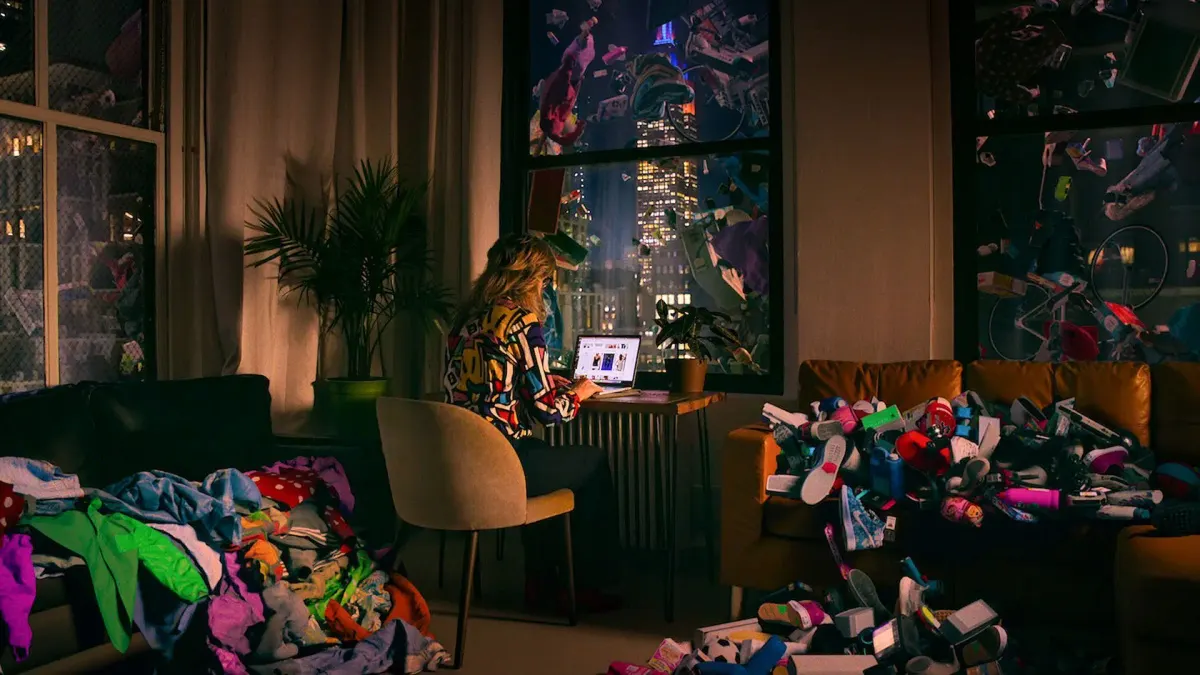
As holiday shopping season kicks off, Netflix’s timely documentary Buy Now! The Shopping Conspiracy highlights the massive environmental impact of our consumer habits. With captivating visuals and thought-provoking interviews, this film delves into the global waste crisis fueled by our insatiable need to consume.
In an era where our every action is marketed and incentivized, Buy Now! explores how consumerism has spiraled into a damaging cycle of excess, waste, and environmental destruction. From overflowing landfills to toxic pollution, the film encourages viewers to re-examine their relationship with shopping. But how do we break free from this cycle?
A Wake-Up Call for a Generation

The documentary’s director, Nic Stacey, and producer, Flora Bagenal, aimed to create a film that could resonate with everyday consumers—those who may not be aware of the far-reaching consequences of their purchases. "The goal was to break down the glossy language of advertising and turn it on itself," says Stacey. The film strives to reveal the darker side of consumer culture while offering hope that change is possible.
The stakes couldn’t be higher. According to the Or Foundation, over 15 million unwanted clothes are shipped to Ghana each week, where the country is overwhelmed by textile waste. Moreover, Nirav Patel, a former Apple employee, points out that globally, 13 million phones are thrown away daily. Buy Now! highlights these grim statistics and ties them to the very brands we all know and love.
The Corporate Machine and the Cycle of Consumption
Buy Now! brings attention to the corporate practices that perpetuate this cycle. Former employees of global giants like Apple, Amazon, and Adidas share their stories of working within these companies, acknowledging how their roles fueled relentless consumption. For instance, Amazon’s Maren Costa, who ran the activist group Amazon Employees For Climate Justice, battled to initiate change within the company but ultimately found the task daunting.
"When you work in these huge corporations, there’s this constant pressure to maximize profits, and that means selling more," says Stacey. "The environment and sustainability often take a backseat." Companies are trapped in a cycle where the focus on consumerism overshadows any genuine effort to address environmental harm.
Is Sustainability Possible Within the Current Business Model?
A core question raised in the documentary is whether sustainability can thrive within today’s profit-driven business models. "Paul Polman, former CEO of Unilever, tried to make a difference," says Stacey, "but it’s incredibly hard to convince shareholders to prioritize long-term sustainability over short-term profits." The documentary emphasizes the need for a shift in mindset—where businesses and governments work together to build a more sustainable system for the future.
Flora Bagenal agrees, pointing out that changing corporate practices isn’t enough on its own. "It’s about dismantling the systems that have led us here and creating new ones," she adds. While businesses play a pivotal role, governments must also take action to implement policies that curb excessive waste and demand more sustainable practices.
The Global Scale of the Problem
One of the most shocking aspects of the film is the sheer scale of waste. "Every hour, 2.5 million shoes are produced," reveals Stacey. This jaw-dropping statistic serves as a powerful visual reminder of the extent of overproduction. "We’re all aware of our own consumption, but rarely do we consider the collective impact of billions of people consuming at this rate."
The film’s powerful graphics help illustrate the global production levels, leaving viewers stunned by the sheer quantity of goods produced and discarded.
From the Heart of the Crisis: Ghana’s Textile Waste
One of the most eye-opening moments in the documentary occurs in Ghana, where the Or Foundation is working tirelessly to address the textile waste crisis. The documentary takes viewers to Ghana’s coastline, where discarded clothing covers the beaches, overwhelming the environment. For Stacey, seeing this firsthand was a pivotal moment.
"It’s shocking and ridiculous how much stuff we produce, and the fact that we’re unaware of its global impact," he says. The sight of miles of textile waste on the beach left an indelible mark on him.
The Documentary’s Impact: A Growing Conversation
Since its release, Buy Now! has sparked a growing conversation about waste and consumerism, especially among younger audiences. The film has been widely discussed on platforms like TikTok, where users have created content around the issues presented in the documentary. "It’s incredible to see how the film has unlocked conversations that weren’t happening before," says Bagenal.
Despite the film's critical tone, the filmmakers remain hopeful that their work will inspire change. "I want people to leave the film feeling empowered, with a sense of responsibility," says Stacey. "If you see the issue, you can help address it."
Turning the Tide: How Can We Curb Waste?
So, what can we do to reduce waste and create lasting change? The filmmakers are clear that it’s not just about asking consumers to buy less or repair more, though those are important steps. Companies, they argue, need to rethink their approach to product longevity.
Stacey advocates for businesses to focus on extending the lifespan of their products. "Companies need to creatively think about ways to make products last longer," he says. He also calls for legislation that governs the end-of-life process for products, ensuring that companies take responsibility for the waste they create.
Policy Changes and Corporate Responsibility
Bagenal highlights the need for stronger regulation to manage the end-of-life phase of products. Governments must implement policies that hold companies accountable for the waste they generate, ensuring more sustainable practices across industries.
What Was Left Out: Hidden Layers of the Crisis
While Buy Now! offers an in-depth look at the global impact of consumerism, the filmmakers acknowledge that there were other important aspects they couldn't cover. "We didn’t have the time to explore the people living near dump sites, who are directly affected by waste pollution," says Bagenal. "There’s a whole other documentary in that."
The filmmakers also mention a conversation with a clothing manufacturer in Hong Kong, who discussed how testing the durability of garments used to be a standard practice. Today, that focus on product longevity has disappeared. This shift in manufacturing priorities illustrates the deeper roots of the waste problem.
Conclusion: Reimagining a Sustainable Future
As Buy Now! demonstrates, the problem of consumer waste is vast, complex, and pervasive. Yet it also highlights a powerful truth: change is possible. Through collective action, policy change, and a shift in how we view consumerism, we can create a more sustainable future for the planet.
By shining a light on the deep flaws within our consumer culture, Buy Now! encourages viewers to think critically about their purchasing choices. It’s not just about buying less; it’s about reimagining the way we produce, consume, and dispose of goods.