FDA Orders Recall of McCafé “Decaf” Keurig Coffee Pods Over Caffeine Mislabeling

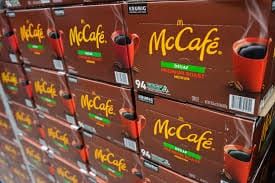
The U.S. Food and Drug Administration (FDA) has announced a recall affecting more than 80,000 McCafé Premium Roast Decaf Coffee K-Cup pods after discovering that some products labeled as decaffeinated may actually contain regular caffeine. The recall, initiated by Keurig Dr Pepper and overseen by the FDA, underscores concerns about accurate labeling and potential health implications for certain consumers.
The products in question were sold under the McDonald’s McCafé brand and distributed nationwide in retail outlets across California, Indiana, and Nevada. While the coffee is not believed to pose a serious health risk for most consumers, the mislabeling may affect people who avoid caffeine for medical, dietary, or personal reasons.
Discovery and Scope of the Recall
Federal regulators and the company first identified the issue in December 2025, when Keurig Dr Pepper reported a labeling discrepancy involving decaffeinated coffee pods that may contain caffeine. After reviewing the product and associated risks, the FDA classified the recall as a Class II event on January 23, 2026 — a designation that applies when a product has the potential to cause “temporary or medically reversible adverse health consequences.”
The affected items are McCafé Premium Roast Decaf Coffee K-Cup pods, packaged in 84-count cartons. These cartons are marked with the UPC code 043000073438, best-by date of November 17, 2026, batch number 5101564894, and material number 5000358463 — identifiers consumers can use to determine if their coffee is part of the recall.
In total, nearly 960 cartons are included in the recall, representing roughly 80,000 individual pods. These were distributed through multiple retailers and sold directly to consumers as at-home brewing products compatible with Keurig machines.
Why the Recall Matters
Decaf coffee is generally chosen by individuals who want to limit or avoid caffeine due to sensitivity, pregnancy, heart conditions, sleep issues, or other health concerns. If a decaf-labeled product actually contains significant levels of caffeine, it could lead to unexpected symptoms such as increased heart rate, jitteriness, headaches, or disturbed sleep patterns in sensitive individuals.
For most consumers without caffeine restrictions, drinking a caffeinated version of the coffee may have minimal noticeable effects. However, the recall stresses the importance of accurate labeling to ensure that consumers can make informed choices about what they consume.
The FDA’s Class II recall status indicates that while the mislabeling is not likely to cause severe health outcomes, the potential for temporary adverse effects means consumers should be aware of the issue and take appropriate action if they possess the recalled pods.
How to Identify and Respond to the Recall
Consumers who have purchased McCafé Premium Roast Decaf Coffee K-Cup pods should check the packaging carefully. The affected products are in 84-count cartons with specific codes and dates, including the best-by date “17 NOV 2026” and batch number 5101564894 — all of which help determine whether the coffee pods are part of the recall.
If a consumer identifies recalled pods in their home, the FDA and Keurig Dr Pepper recommend discarding them or returning the product to the original place of purchase for a replacement or refund. Many retailers will accommodate returns of recalled products even without a receipt, though policies vary by store.
According to Allrecipes’ coverage of the recall, consumers who do not monitor their caffeine intake closely may not need to take action if they choose to drink the coffee, but returning the pods is still advised for peace of mind or if a refund is desired.
Company Response and Industry Context
Keurig Dr Pepper, which produces the K-Cup pods under license for the McCafé line, initiated the recall voluntarily after detecting the labeling discrepancy. In past instances, the company has faced consumer scrutiny over product claims and sustainability issues, including a 2024 settlement with the Securities and Exchange Commission over recyclable claim inaccuracies related to K-Cup pods.
The current recall highlights ongoing quality control challenges within the coffee pod industry, where single-serve convenience must be balanced with accurate labeling and safety standards. Although the McCafé pods’ caffeine mislabeling is considered a moderate risk rather than a severe hazard, it draws attention to how critical detail-oriented checks are for consumer products — especially those that could impact individual health.
Industry observers note that coffee pod recalls are not uncommon. Similar issues have arisen in past years, such as instances where packaging ink contamination or other mislabeling errors led to recalls of single-serve coffee products sold through major retailers. While not directly related to this McCafé recall, those events — documented in Food and Drug Administration notices — underscore how manufacturing inconsistencies can lead to broad customer impacts.
Consumer Awareness and Safety
From an FDA perspective, recalls like this one serve as reminders of the importance of consumer vigilance and timely action. The agency maintains an online Recalls, Market Withdrawals, & Safety Alerts database where individuals can search for products by brand, type, or date to check for recalls — including up-to-date notices and archived alerts.
For consumers who rely on decaffeinated coffee for health or lifestyle reasons, reading labels, checking best-by dates, and paying close attention to batch codes can help avoid unintended ingestion of substances like caffeine. Retailers also play a role by removing recalled products from shelves and alerting customers through in-store notices.
The coffee industry continues to adapt to quality control expectations, and companies often issue voluntary recalls as a preventive measure to protect consumers and maintain trust in their brands. While the McCafé pods recall does not reflect a widespread safety crisis, it does point to the ongoing need for stringent production standards and clear communication between manufacturers, regulators, and consumers.
Broader Recall Landscape
This year’s recall of McCafé decaf pods joins a number of other food and consumer product recalls initiated by the FDA and other safety agencies. For example, other recent recalls have included ready-to-eat chicken products due to potential Listeria contamination, furniture that may collapse under weight, and frozen food items pulled after plastic fragments were found inside.
Such recalls, while varied in nature, share a common theme: protecting public health by removing products with labeling errors, contamination risks, or manufacturing flaws from the marketplace. The recall classification system used by the FDA helps consumers understand the relative seriousness of these issues and respond appropriately.
In all cases, prompt action by manufacturers and regulators — combined with consumer awareness — helps limit exposure to potential risks and upholds safety standards that protect everyday shoppers.