Father of Sonya Massey Angered After Ex-Deputy Convicted on Lesser Charge

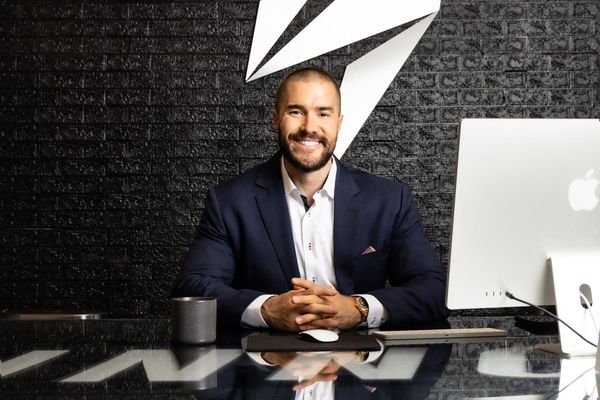
On October 29, 2025, a jury found former Illinois sheriff’s deputy Sean Grayson guilty of second-degree murder in the 2024 killing of 36-year-old Sonya Massey, who had called 911 about a suspected intruder in her home. Grayson had initially been charged with three counts of first-degree murder—charges that carried much harsher penalties—but the jury opted for the lesser count.
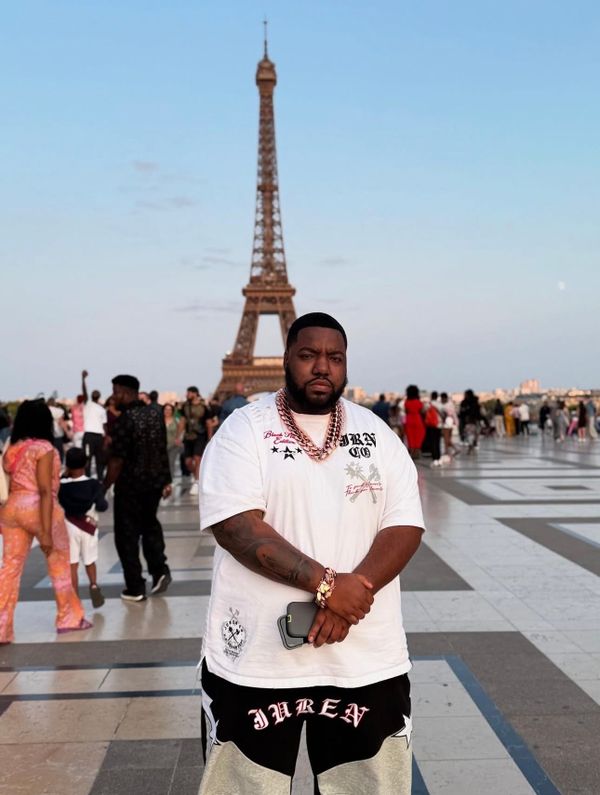
Speaking out after the verdict, Massey’s father, James Wilburn, voiced his anger and frustration. “He told my child he would shoot her in the f---ing face and he did it,” Wilburn said. “And all we got was a second-degree murder conviction out of this?”
Wilburn also criticized Grayson’s hiring history, highlighting that he had worked for six different law-enforcement agencies within a few years—a fact he called “shameful.”
What Happened in the Fatal Incident
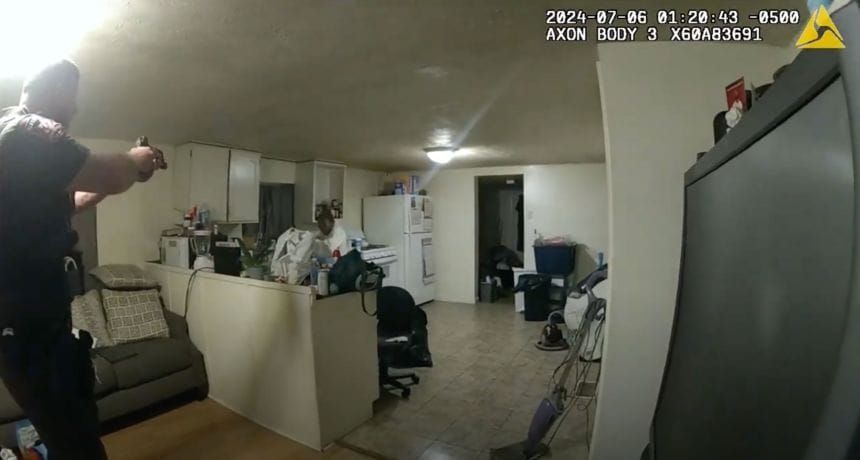
In the early hours of July 6, 2024, Massey contacted police in Springfield, Illinois, saying she believed someone was outside her home. Deputies Grayson and his partner responded and entered her residence despite finding no intruder. While inside, Massey, who reportedly was experiencing emotional distress, was handling a pot of hot water on the stove. Body-camera footage revealed that when she picked up the pot and said, “I rebuke you in the name of Jesus,” Grayson drew his gun, told her she better not, and then fired four moments later. She was fatally wounded.
Why the Family Sees the Outcome as Insufficient
The second-degree verdict means Grayson avoided the harsher first-degree murder conviction, which carries sentences of 45 years to life. Second-degree murder in this case allows for a sentence from four to 20 years, or potentially even probation in rare cases.
For Wilburn and his family, that gap signifies a justice system that did not fully match the gravity of what happened. He pointed to racial dynamics and systemic issues, saying: “There’s a difference in this country when you have my skin colour and Grayson’s skin colour. We need serious justice, not a miscarriage of justice.”
The Broader Implications
- The incident has sparked wider conversation in Illinois and across the U.S. about how law-enforcement responds when unarmed Black citizens call for help in their own homes.
- The outcome has fostered calls for changes in police hiring practices, use-of-force training and accountability mechanisms. Wilburn has advocated for the kind of reform that led Illinois to propose changes in how officers’ backgrounds are checked.
- The verdict has also left many supporters of the Massey family feeling that although a conviction was reached, the message sent to communities about police accountability remains weak.
What’s Next
Grayson’s sentencing is scheduled for January 29, 2026. The maximum penalty for the second-degree murder conviction is 20 years, but because the jury opted for the lesser charge, the actual sentence may be significantly less or potentially include probation—something the family fears.
The case remains one to watch for its ripple effects: the settlement with Sangamon County, the reforms to the sheriff’s office, and federal inquiries into the department’s practices all continue to evolve.
Final Thought
The killing of Sonya Massey, who called for help and lost her life, has become a symbol of the troubled intersection of law-enforcement, race, mental-health crises and community trust. While the conviction of Sean Grayson marks a form of accountability, for Sonya’s family it falls short of the justice they expected. As her father put it: they are not simply seeking closure—they are seeking meaningful change.