Fat Joe Faces $20M Lawsuit Over Alleged Sexual Misconduct and Exploitation

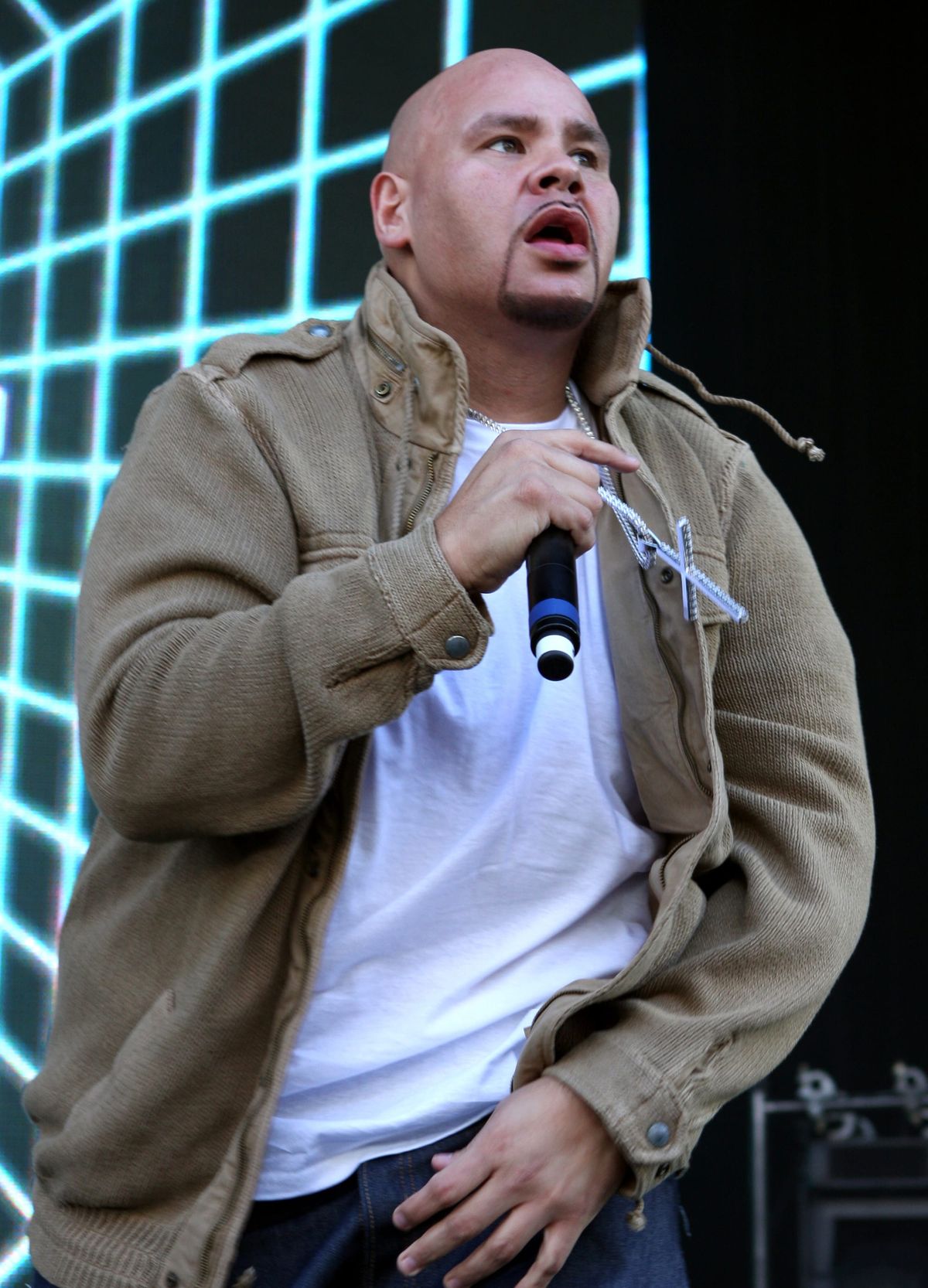
On June 19, former hype man Terrance “T.A.” Dixon filed a $20 million civil lawsuit in federal court against rapper Fat Joe (Joseph Cartagena). The 157-page complaint accuses Fat Joe of a string of serious allegations over their 16-year working relationship (2006–2019), including:
- Sexual relations with underage girls (ages 15–16), including one flown to the U.S. and funded surgeries, such as a Brazilian butt lift.
- Coercive labor exploitation, alleging Dixon was forced into thousands of non-consensual acts and intentionally withheld from royalties and songwriting credits.
- Financial fraud, violent intimidation, psychological control, and conspiracy involving Fat Joe’s associates and Roc Nation.
The suit includes disturbing claims:
- A 16-year‑old Dominican girl allegedly performed sexual acts in exchange for cash, clothing, and phone payments.
- A separate 15-year‑old Caucasian girl reportedly met overseas, was flown to New York and Miami multiple times, and received cosmetic procedures funded by Fat Joe.
- A Latina girl, 15 at the time, allegedly lived near Fat Joe’s home and was taken on tours, with claims Fat Joe considered leaving his wife for her.
Dixon asserts all relationships were non-consensual and directly observed.
Fat Joe’s attorney, Joe Tacopina, denies the allegations entirely, calling them “fabrications” and retaliatory following Fat Joe's earlier defamation lawsuit against Dixon. They claim this is a “coordinated extortion campaign” fueled by media hype, and that some alleged accusers even deny knowing Fat Joe.
- Mutually filed lawsuits: Fat Joe previously filed a defamation suit accusing Dixon and his attorney of false pedophilia claims .
- Roc Nation named: The complaint extends beyond Fat Joe, targeting associates and Roc Nation for allegedly concealing royalty rights and orchestrating related violations.
- Industry parallels: Dixon’s attorney compares Fat Joe’s alleged behavior to that of Sean “Diddy” Combs—who is facing similar accusations—signaling broader scrutiny within hip-hop.
This case challenges Fat Joe’s legacy and raises serious legal and moral issues about exploitation within the music industry. The graphic accusations, combined with Roche Nation’s involvement, put pressure on hip-hop executives and prompt questions about labor practices and accountability. As court proceedings begin, this legal battle is likely to influence ongoing discussions about power, consent, and artist protection in entertainment.