F‑‑‑ off, Mr. Trump’: Danish Politician Rejects U.S. Acquisition of Greenland
Danish politician Anders Vistisen forcefully rejected Trump’s proposal to buy Greenland, stating, “F‑‑‑ off.” Denmark reaffirmed its sovereignty, dismissing the idea as absurd, emphasizing Greenland’s strategic importance and historical ties.

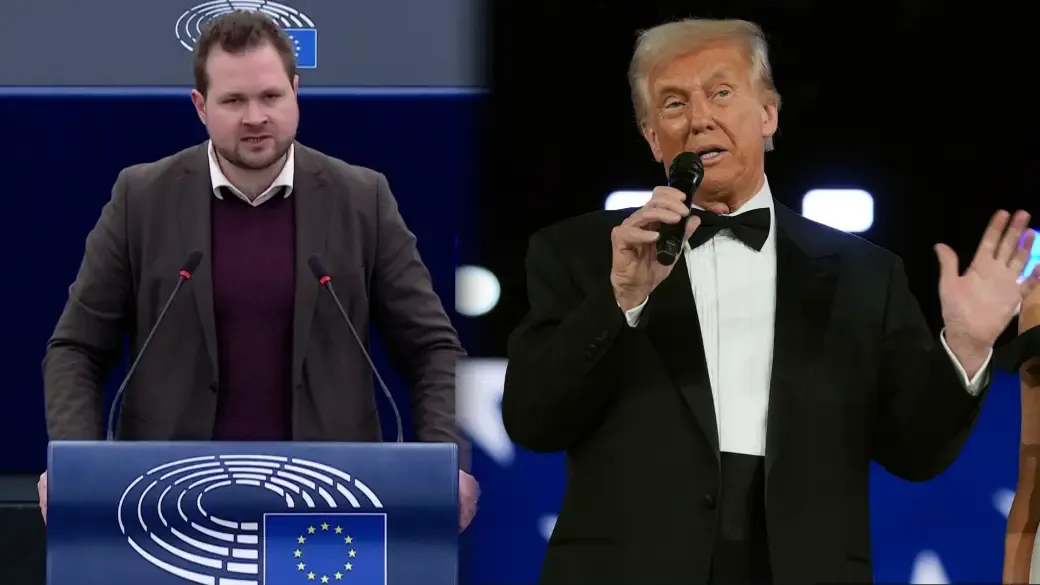
In a sharp rebuttal to US President Donald Trump, Danish political figure Anders Vistisen flatly rejected the plan of selling off Greenland to Washington. The brusque remarks at a sitting of the European Parliament reflect Copenhagen's determination on keeping sovereignty on the Arctic country. Trump reportedly showed repeated interests in buying over Greenland, without regard to objections from Denmark. This article delves into the historical, political, and geopolitical undertones of Trump's proposal and Denmark's adamant response.
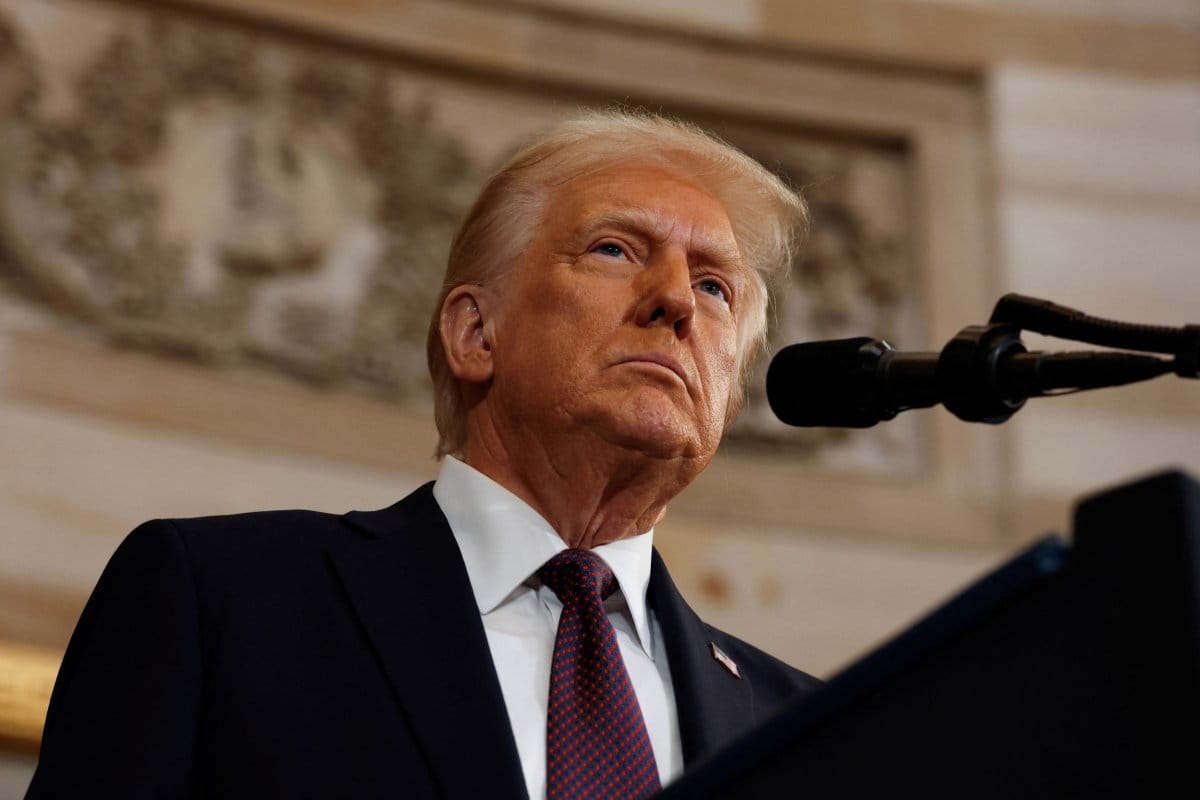
Background: Trump's Greenland Proposal
During his tenure as president, Trump proposed that the United States should buy Greenland, which was strategically important and resource-rich. He called the purchase an "absolute necessity" and even threatened to intervene militarily if required. Greenland is an autonomous territory in the Kingdom of Denmark. It is the world's largest island and has political importance because of its location in the Arctic region. Although the population is scarce, Greenland contains rich natural resources, such as rare minerals, oil, and gas, that make it of great economic and military interest.
Denmark's Response: Firm Rejection
Danish authorities reacted quickly to the offer from Trump. In a European Parliament sitting, Anders Vistisen, a member of the European Parliament, made Denmark's stand very crystal clear. He said:
"Dear President Trump, listen very carefully. Greenland has been part of the Danish kingdom for 800 years. It is an integrated part of our country. It is not for sale. Let me put it in words you might understand, Mr. Trump: F‑‑‑ off."
This candid declaration captures the thick frustration that Danish politicians have expressed against Trump for holding repeated requests. The European Parliament Vice President Nicolae Ștefănuță reprimanded Vistisen for speaking the profanity that was not appropriate in a democratic environment. But the sentiment of Vistisen's declaration aligned well with the sense of many Danish citizens, who considered Trump's offer both insulting and unrealistic.
Strategic Importance of Greenland
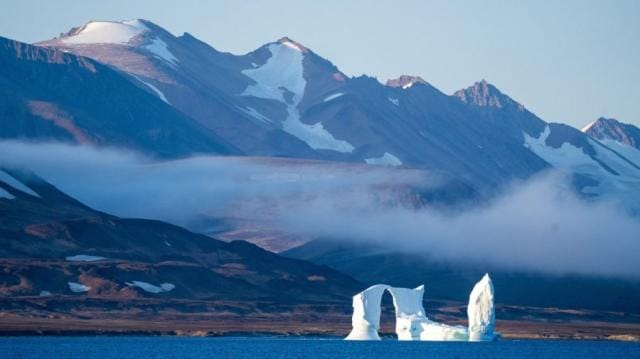
Recent climate change and global security concerns bring much-needed attention to the vastness of Greenland's Arctic territory. As ice caps melt, new shipping routes open up, making the region more accessible and valuable for trade to other parts of the world and a strategic military base. The Thule Air Base, run by the U.S. military, is located on the island, which further underlines the strategic importance of the island.
Historical Context: U.S. Interest in Greenland
The United States had previously expressed an interest in taking Greenland. In 1946, President Harry Truman offered Denmark $100 million in gold for the island, which was turned down. The United States has been able to keep a significant military presence in Greenland through agreements with Denmark, but outright ownership was never in play.
Danish National Identity and Sovereignty
For Denmark, Greenland is not only a strategic asset but part of the country's identity. Greenland's indigenous Inuit people have a deep cultural history, and Denmark has taken great care to promote Greenland's independence while maintaining political and economic closeness. Selling Greenland is, therefore, perceived as a direct blow to Danish sovereignty and national pride.
International Responses to Trump's Plan
Trump's plan was met with heavy criticism from European leaders and political analysts. Many regarded it as an archaic colonialist mentality that ignored Greenland's sovereignty and the will of its people. The scandal strained U.S.-Denmark relations even further, culminating in the cancellation of a scheduled state visit to Denmark by Trump after Danish Prime Minister Mette Frederiksen called the idea "absurd."
Denmark’s firm rejection of Trump’s Greenland proposal highlights the importance of national sovereignty and respect for international relations. Anders Vistisen’s blunt response encapsulated Denmark’s strong stance, reinforcing that Greenland is not for sale—at any price. While Trump’s vision of purchasing Greenland may have faded, the geopolitical significance of the Arctic region remains a topic of global interest.
FAQs
Why did Trump want to buy Greenland?
Trump viewed Greenland as a strategic asset due to its location, natural resources, and military significance. He believed U.S. ownership would enhance national security and economic interests.
Has the U.S. ever tried to buy Greenland before?
Yes, in 1946, President Harry Truman offered Denmark $100 million in gold to purchase Greenland, but Denmark declined the offer.
How did Denmark react to Trump’s proposal?
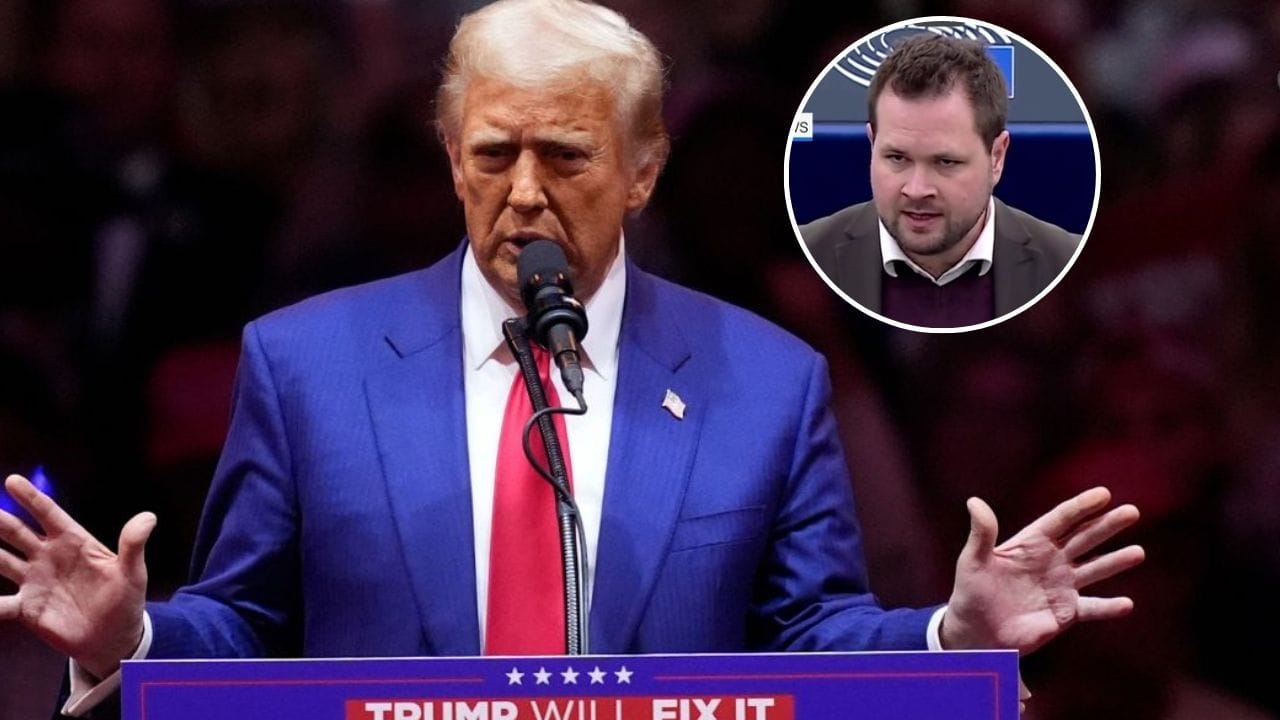
Danish politicians, including Prime Minister Mette Frederiksen, dismissed the idea as "absurd." Anders Vistisen strongly rejected the proposal with an explicit remark directed at Trump.
Does Greenland have independence from Denmark?
Greenland is an autonomous territory of Denmark, meaning it governs many of its own affairs but remains under Danish sovereignty for defense and foreign policy matters.
What is the strategic importance of Greenland?
Greenland’s location in the Arctic makes it valuable for military strategy, climate research, and economic resources. The island also has U.S. military installations, further increasing its geopolitical relevance.