Every Rule Has Its Exception: This Recession Indicator Might Defy Expectations

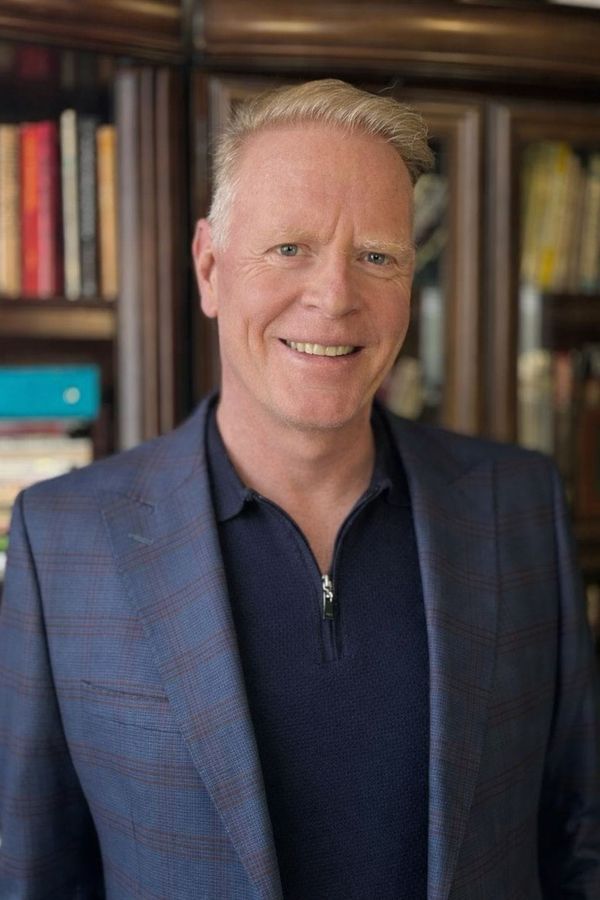
The Sahm Rule, formulated by Claudia Sahm, a former economist at the Federal Reserve and current Chief Economist at New Century Advisors, is a well-regarded economic indicator used to predict recessions. The rule asserts that a recession is likely if the three-month moving average of the national unemployment rate increases by 0.5 percentage points or more compared to its lowest level over the past 12 months. This criterion is designed to identify economic downturns by capturing rapid increases in unemployment, which often signal broader economic troubles.
Current Unemployment Rate Dynamics
Recent labor market data suggests that the unemployment rate is approaching the critical threshold specified by the Sahm Rule. As of June, the national unemployment rate had reached 4.1%, with the three-month moving average showing a rise of 0.43 percentage points from its lowest point in the previous year. For the Sahm Rule to be triggered, the unemployment rate would need to exceed 4.2%. Economists predict that the rate will hold steady at 4.1% for July, but it is anticipated that it could rise to 4.2% in the coming months due to the ongoing impact of high interest rates imposed by the Federal Reserve.
Economic Context and Sahm’s Perspective
Claudia Sahm’s current assessment indicates that despite the unemployment rate approaching the threshold, an immediate recession is not expected. Sahm points out that the Sahm Rule’s effectiveness may be compromised by the unique circumstances of the post-pandemic economy. The pandemic has disrupted traditional economic patterns through factors such as supply chain disruptions, extensive government stimulus packages, and heightened consumer demand that led to significant inflationary pressures. As the economy begins to stabilize, these deviations from the norm complicate the interpretation of traditional recession indicators.
Sahm also highlights that part of the recent increase in the unemployment rate may be attributable to an expansion in the labor force, including increased immigration. This demographic shift could be affecting the unemployment figures, thereby impacting the reliability of the Sahm Rule. Sahm acknowledges that while rising unemployment is a concern, it should be analyzed in the context of broader labor market changes rather than being seen as an immediate harbinger of recession.
Implications for the Sahm Rule
Given the pandemic’s impact on the economy, Sahm suggests that the Sahm Rule’s threshold might need adjustment to reflect current conditions more accurately. The traditional 0.5 percentage point increase might not fully capture the effects of the expanded workforce and other post-pandemic economic shifts. Adjusting the threshold could provide a more nuanced understanding of economic conditions, considering the atypical patterns observed during this period.
Sahm also notes that while there is a discernible trend of increasing unemployment, it does not necessarily indicate that a recession is imminent. The labor market’s complexities and the broader economic environment suggest that while the Sahm Rule may soon be triggered, a recession may not occur immediately.
Investment Strategies and Market Considerations
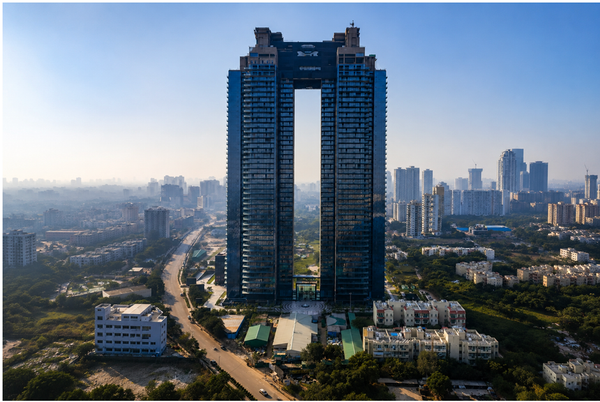
For investors navigating the current economic landscape, it is essential to stay informed about broader market trends and potential opportunities. One investment avenue to consider is world-class commercial real estate, which offers potential returns of 14-16% IRR. This sector can provide stability and growth potential amidst economic uncertainties and fluctuations.
Conclusion
The Sahm Rule remains a valuable tool for assessing recession risks, but its application in the current economic environment requires careful consideration. The unique challenges posed by the post-pandemic economy and changes in the labor market dynamics may affect the rule’s traditional effectiveness. Investors and policymakers should monitor economic indicators closely and adapt their strategies to account for the evolving economic landscape.