Even at $8 Million per Super Bowl Commercial, Ad Executives Say It’s Still Bang for Your Buck

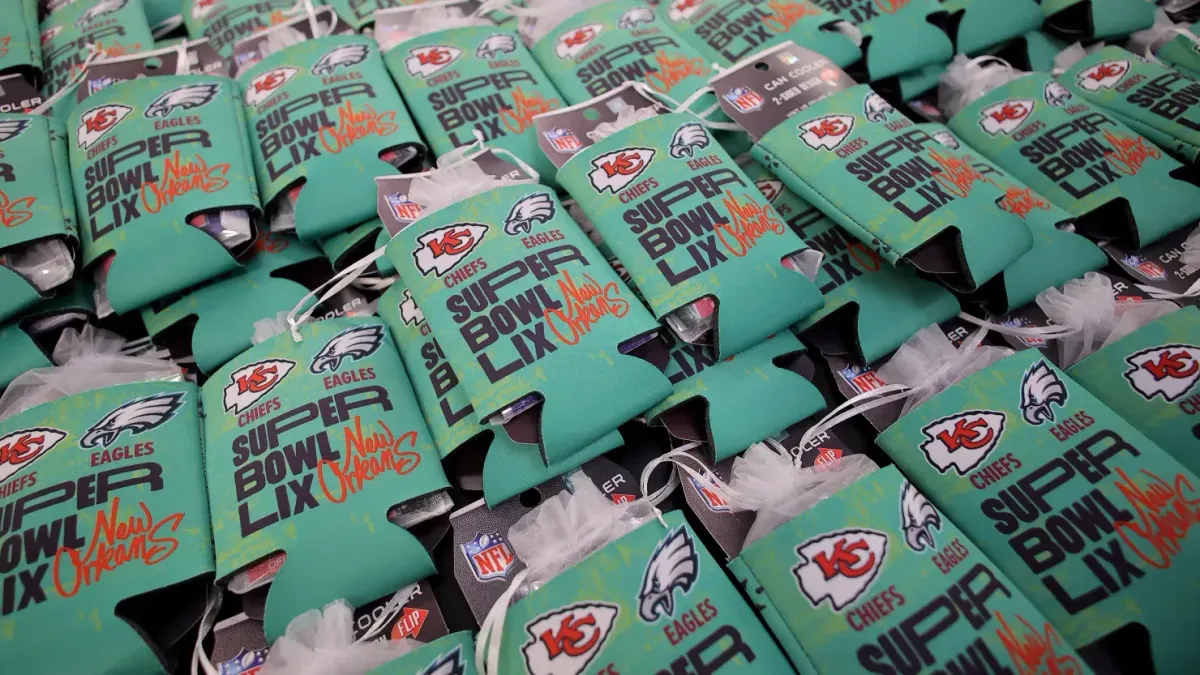
The Super Bowl was long one of the most sought-after events by television, especially not only the game but because of the most-watched advertising spots. Paying up to $8 million for a 30-second advertising slot during an event is, for many people in the advertising industry, worthwhile.
The Value of Super Bowl Ads
The cost of the Super Bowl ad has been climbing steadily, yet the event keeps attracting enormous viewership. In fact, this year's National Football League Championship game, as broadcast on Fox, is anticipated to be the most-watched live television broadcast of the season. In 2024 alone, over 123 million watched, and its ad revenue estimate was $550 million.
Why Brands Keep Paying Top Dollar
The cost may have risen, but companies still feel the value of Super Bowl ads. As Amy Leifer, DirecTV's chief advertising sales officer puts it, the scale and buzz factor of the Super Bowl cannot be matched anywhere else. It is one of the few places in a highly fractured media environment where brands can reach over 100 million viewers simultaneously.
Live Sports and the Power of Engagement
The effectiveness of traditional TV advertising has been reduced due to the advent of digital and social media. However, live sports, particularly the Super Bowl, continue to be a cash cow for advertisers. Networks that own sports rights are not losing much steam, though the ad market for traditional TV may be slowing.
During the Upfronts—an annual event where media companies pitch their upcoming programming to advertisers—sports programming has taken center stage. Fox, which is broadcasting the Super Bowl, sold most of its ad slots during last year’s Upfront, highlighting the ongoing demand for premium ad placements.
The Effectiveness of Super Bowl Ads
Super Bowl ads were found to be three times more effective than average primetime programming according to data from advertising data firm EDO. They say their research indicates that one Super Bowl ad has the same effect as hundreds of regular primetime commercials.
Long-Lasting Brand Engagement
The advertisements airing during the Super Bowl tend to build long-term engagement. Brands that leverage the platform for launching new products remain engaging even after the game. For instance, Kia saw continued interest in its 2022 launch of EV6, and Reese's Big Caramel Cup continues to attract consumer attention six months after its 2024 launch.
Even local advertisers, who pay less for regional placements, get a Super Bowl lift. Hyperlocal streaming service Zeam gained tens of millions of app downloads after John Stamos appeared in its Super Bowl ad.
Placement Pays
The placement of a Super Bowl ad within the game can impact its effectiveness. Some audiences, for example, are most engaged during the first half of the game, while others tune in specifically for the Halftime Show, which this year features Kendrick Lamar. Advertisers must strategically place their ads to align with peak audience engagement.
Social media also plays a critical role in the extension of Super Bowl ads. Viewers watch second screens, that is, view social media as they watch their game. Such ad strategies can maximize engagement when there is an integrated social media strategy for the campaigns.
The Future of Super Bowl Advertising
While the Super Bowl remains one of the very few such windows for brands to attract their maximum audience in a single moment, its effectiveness has somewhat been doubted by the growing speed and prowess of digital advertising. In fact, digital platforms' ad revenues are estimated to hit $813.3 billion globally in 2025, which is much ahead of that for TV at $169.1 billion. Despite that, the singularly distinguishable character of the Super Bowl continues to make its ad costs worthwhile.
The criticism is that this reliance on Super Bowl advertising is old news because digital can offer more effective and cheaper means. Shoshana Winter, CEO of Converge, a performance marketing agency, argues that the large captive audience for the Super Bowl may not hold to the old idea that the best advertising is still done in traditional TV.
FAQ
Why do companies pay so much for a Super Bowl commercial?
Companies pay top dollar for Super Bowl ads because the event attracts a massive, engaged audience. The exposure and brand recognition gained from a Super Bowl commercial can lead to long-term consumer engagement and increased sales.
How effective are Super Bowl commercials compared to regular ads?
According to advertising data, Super Bowl commercials are about three times more effective than average primetime ads. A single Super Bowl ad can generate as much engagement as 450 primetime commercials.
Do all Super Bowl ads lead to increased sales?
Not necessarily. Effectiveness of a Super Bowl ad can depend on creative execution, brand messaging, and even follow-up marketing.
Different brands sometimes see a huge surge in engagement and sales, while others do not.
How do brands ensure they are not wasting their money on a Super Bowl ad?
Brands maximize the impact by strategically placing ads during peak engagement moments, integrating social media campaigns, and ensuring their commercials have memorable storytelling or humor. Follow-up advertising efforts also help maintain engagement.
Is traditional TV advertising still relevant in the digital age?
Although digital advertisements are on a rise, broadcast TV, such as live sporting events like the Super Bowl, still has the value. To be able to reach more than 100 million viewers simultaneously means the Super Bowl is an advertisement opportunity that simply cannot be duplicated.
Despite the hefty price tag, a Super Bowl ad is one of the most effective advertising tools around. With millions of viewers watching, advertisers receive unparalleled exposure, engagement, and brand awareness. As digital advertising continues to grow, the role of the Super Bowl in the advertising world may change, but for now, it remains a premier marketing opportunity worth the investment.