European Google Challengers Join Forces to Create More Decentralized Search Infrastructure to Compete Against Big Tech
In an effort to break the Google monopoly, European tech companies have come together to build a new search infrastructure that promises to be decentralized, user-focused, and competitive in the digital world. End

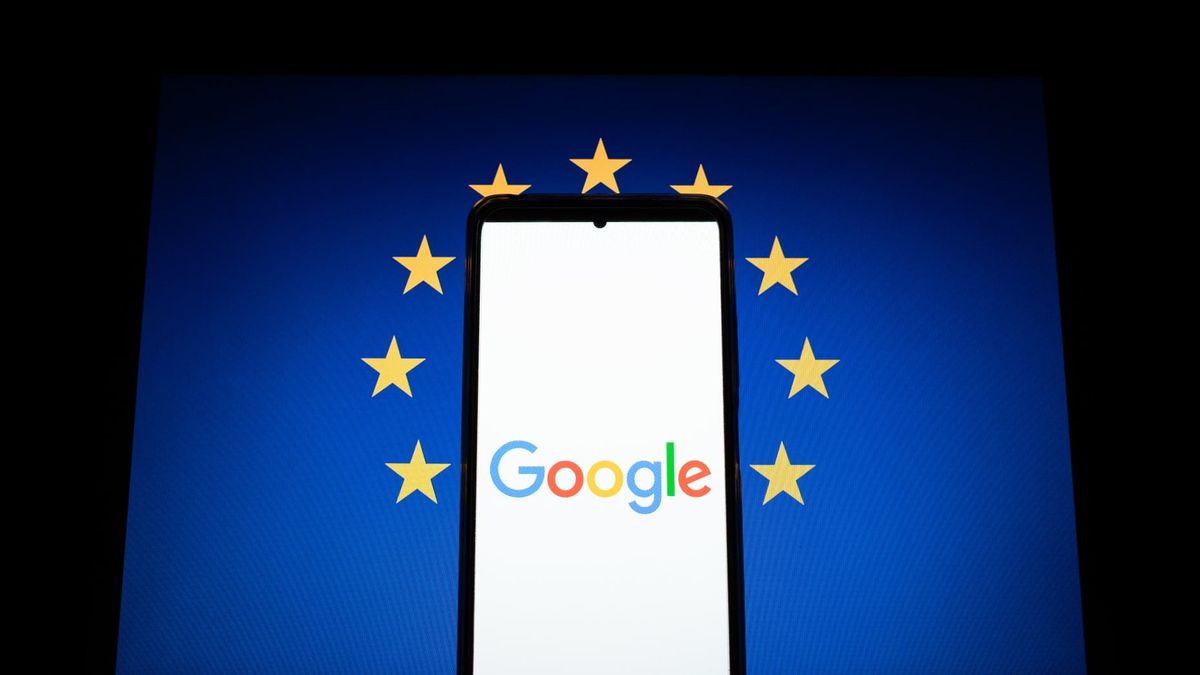
A new initiative by a group of European companies aims to create a new search engine infrastructure with the objective of countering the dominance of the tech giants. This collaboration wishes to arrive at a competitive alternative to Google's world-beating search engine. Aims are not only to challenge the technological behemoth but also to give priority to user privacy, enhance competition, and support the European digital economy.
The coalition includes many established tech firms across Europe, including makers of regional search engines and focused-on-privacy tech companies. Together, they are pooling their resources and expertise to create unified infrastructure that can deliver more or less the same search functionalities as Google, but is geared towards data protection and transparency. Being open-source is one of the most common trends of technology in the digital sovereignty of Europe.
One of the main reasons behind this move is the increased concern about data privacy. People have long lamented Google and other Big Tech corporations as giants in collecting an enormously vast amount of data. Boiler-plate with unprecedented personal information, these corporations have also developed funding models for targeted advertising systems, a business approach that many in Europe bitterly argue does users' privilege at the expense of users' own privacy. In contrast, the new infrastructures focus on giving users more control over their data, and users can opt out of personalized advertisements and other invasive tracking technologies.
The European Union has always been ahead in regulating Big Tech companies. initiatives, such as the DMA and the DSA, actually aim to sanction the domination of platforms like Google and Facebook by providing a fairer playing field for the small players. It will, in fact, support the EU vision on a more diverse and competitive landscape for digital provision. The EU hopes that through the support of alternative search technologies, it will be able to break the firm grip that Google has over the search market and offer the consumer better choices.
However, the partnership represents a critical step toward realizing European digital sovereignty. The continent has always been reliant on U.S.-based technology firms for search, cloud computing, and other social media services. An independent search engine infrastructure will enable European developers to drive out dependence on Big Tech and spur innovation within Europe itself.
In addition, relevance and accuracy of search results will be improved by the new infrastructure. With regard to criticism that Google's algorithms consistently favor the rich and huge corporations, which give priority to commercial content rather than more diverse or independent sources, this infrastructure will ensure betterment and present the users with much more balanced and unbiased output from the searching process by guaranteeing a fairer and more transparent process.
As the project continues, it still remains in its infancy stages, but the possibility of forming a functional alternative to Google's search engine is growing rapidly. This collaborative effort is, therefore, bound to give the new wave of innovation for European tech and pose a rather real challenge for the monopoly by Big Tech in the search engine business and more.
This newly launched search infrastructure can be an important milestone in the fight against Big Tech as a partnership of European Google rivals, which prioritizes privacy, competition, and transparency.