Elon Musk Wants to Ban WFH for Millions in the US Government
Elon Musk's push to eliminate remote work for millions of U.S. federal employees is sparking heated debates. While some argue it's necessary for productivity and cost-cutting, others claim it disregards employee well-being and work-life balance.


Under the newly appointed head of the Department of Government Efficiency, or D.O.G.E., billionaire entrepreneur Elon Musk has a new mission: to make millions of U.S. federal employees come into offices. That is, essentially, what Musk, who has been a vocal Trump supporter, says he will do through a mandatory return-to-office policy that he claims will streamline government operations, reduce the workforce, and lower costs. His stance has ignited fierce debate across industries, sparking concerns over employee rights, productivity, and government efficiency.
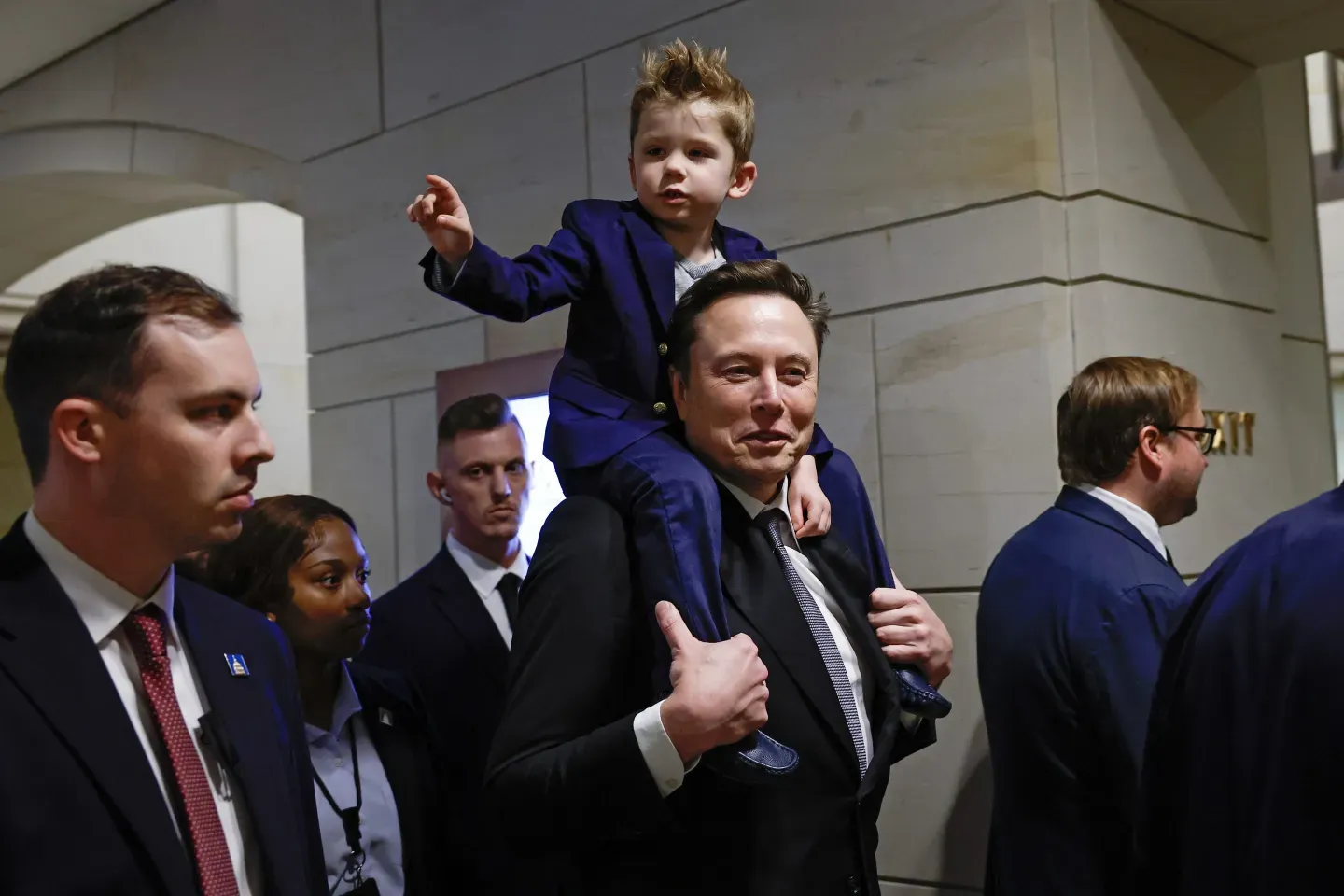
Musk’s Plan to Eliminate Remote Work
Musk spelt out his vision in the Wall Street Journal in an op-ed co-authored with conservative leader Vivek Ramaswamy. The piece proposed requiring federal employees to come to work five days a week, which would result in their getting up and walking out -voluntary resignation, but downsizing the government workforce regardless. "If federal employees don't want to show up, American taxpayers shouldn't pay them," Musk declared.
Musk has always been very rigid about the no-remote work policy in his companies Tesla and SpaceX. Even after purchasing Twitter, now X, he quickly axed remote work and instituted an ultra-conservative return-to-office requirement. He has believed for a long time that only the physical presence can lead to teamwork, creativity, and efficiency.
Corporate America's Return-to-Office Policies
Musk is not alone in pushing for an in-office culture. Companies like Amazon and Walmart have also enforced strict return-to-office policies, forcing employees to be in the office five days a week. Amazon said that an "office-centric culture" is necessary for innovation and teamwork. However, such mandates have resulted in mass resignations and employee dissatisfaction.
A survey conducted by Fortune Magazine found that 73% of employees in similar situations considered quitting due to return-to-office requirements. In the UK, a study by Morgan McKinley found that 51% of workers would forgo a pay raise to maintain their remote work flexibility.
While corporate leaders, including Musk, argue that the only way for effective collaboration to occur is face-to-face, many employees and executives are opposed to rigid return-to-office mandates. A petition against advertising giant WPP's new office policy gathered over 10,000 signatures within four days.
According to Lumen CEO Kate Johnson, "all in, all out" does not make any sense. Hybrid works with both collaboration and flexibility. GuideWell CEO Pat Geraghty says remote work has helped save employee time on commuting and unnecessary costs. Employees can improve their productivity and well-being when working from home.
According to PayPal's CEO Alex Chriss, collaboration in person has its advantages but a balance must be created. Flexible work models, experts argue, are key to employees' satisfaction and long-term business success.
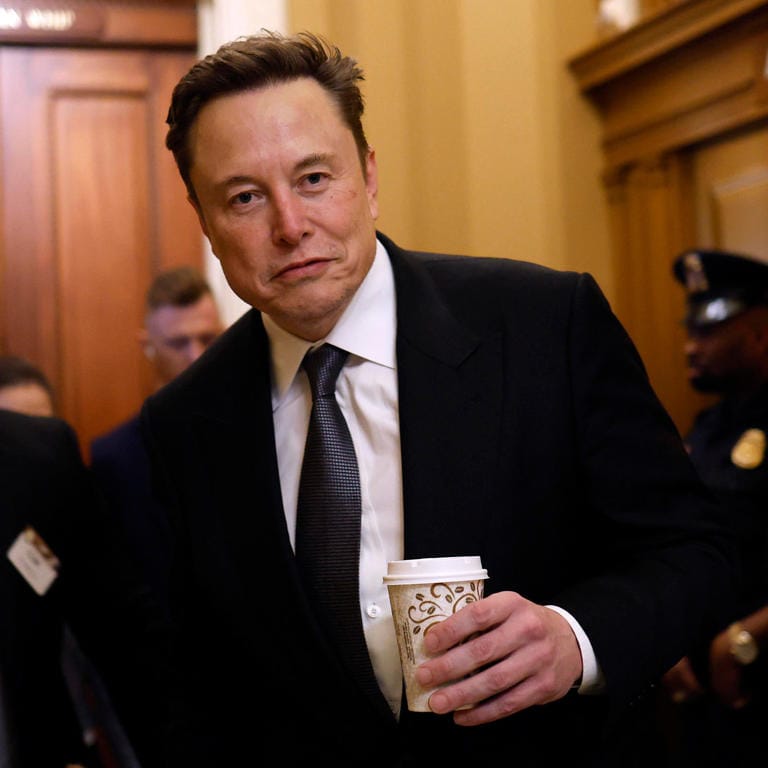
The Future of Work in the U.S. Government
As Musk pushes his agenda, the federal workforce is poised for a seismic shift. His policy, if implemented, would reshape the structure of government employment, leading to widespread resignations and potential staffing shortages.
While some believe that the plan by Musk to force workers to go to offices is a necessary cost-cutting measure, others see it as disrespecting modern workforce trends. With many businesses and other industries moving toward remote and hybrid work, forcing employees back into offices may prove counterproductive.
FAQs
Why does Elon Musk want to ban remote work for federal employees?
Musk argues that eliminating remote work will reduce the government workforce through voluntary resignations, cut costs, and improve efficiency. He believes that physical presence fosters productivity and collaboration.

What has been the response to Musk’s proposal?
There has been significant backlash, with many employees and business leaders advocating for hybrid work models. Critics argue that forcing employees back to the office disregards work-life balance and could lead to mass resignations.
Have other companies enforced similar return-to-office policies?
Yes, for example, Amazon and Walmart have enforced full-time office presence, but these policies have caused substantial employee turnover and dissatisfaction.
What are the benefits of remote work?
Remote work benefits include no long commutes, lower expenses, and better work-life balance. Studies indicate productivity among remote workers to be as good or better than in-office employees.
Will the policy by Musk be implemented?
It is uncertain whether Musk's suggestion will be fully enforced. The federal government is most likely to experience legal and logistic constraints enforcing the universal return-to-office mandate.