Earth's Tilt Shifts 31.5 Inches Due to Groundwater Pumping, New Study Finds

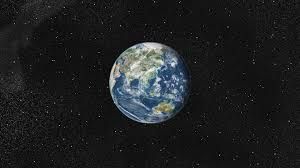
A groundbreaking study published in Geophysical Research Letters has revealed that human groundwater pumping has a significant impact on Earth's tilt and rotation. In less than two decades, the study found that the redistribution of groundwater has caused Earth’s rotational pole to shift by 31.5 inches, which corresponds to 0.24 inches of sea-level rise. This effect is caused by the movement of large amounts of groundwater, primarily for irrigation and human use, which eventually ends up in the oceans.
Key Insights from the Study:
- Water’s Impact on Earth's Rotation: The distribution of water—whether through natural or human processes—affects the mass distribution on the planet. This, in turn, influences the Earth's rotation. As described, moving water around Earth is akin to shifting weight on a spinning top, causing the Earth to spin differently.
- Groundwater’s Role in Climate Change: The study emphasizes that groundwater redistribution plays a larger role in the drift of Earth's rotational pole compared to other climate-related causes. The pumping of groundwater has now been identified as a key contributor to sea-level rise.
- Study Data and Findings: The research, which analyzed data from 1993 to 2010, estimates that around 2,150 gigatons of groundwater have been pumped, significantly altering the planet's tilt. This is largely driven by agricultural demands and other human use.
- Impact of Water Movement: The greatest changes in the Earth’s tilt come from groundwater pumping in specific regions, notably western North America and northwestern India, both of which involve substantial groundwater extraction.
Broader Implications:
- This research adds quantifiable evidence to earlier NASA findings from 2016 that suggested groundwater redistribution can affect the Earth's rotation.
- Understanding water distribution trends over longer historical periods could provide deeper insights into how groundwater movement influences climate change and sea-level rise. The study emphasizes the importance of monitoring and managing water resources to mitigate these unexpected and impactful effects on the planet.
Read More: How Happy Panda is Changing the Baby Care Industry