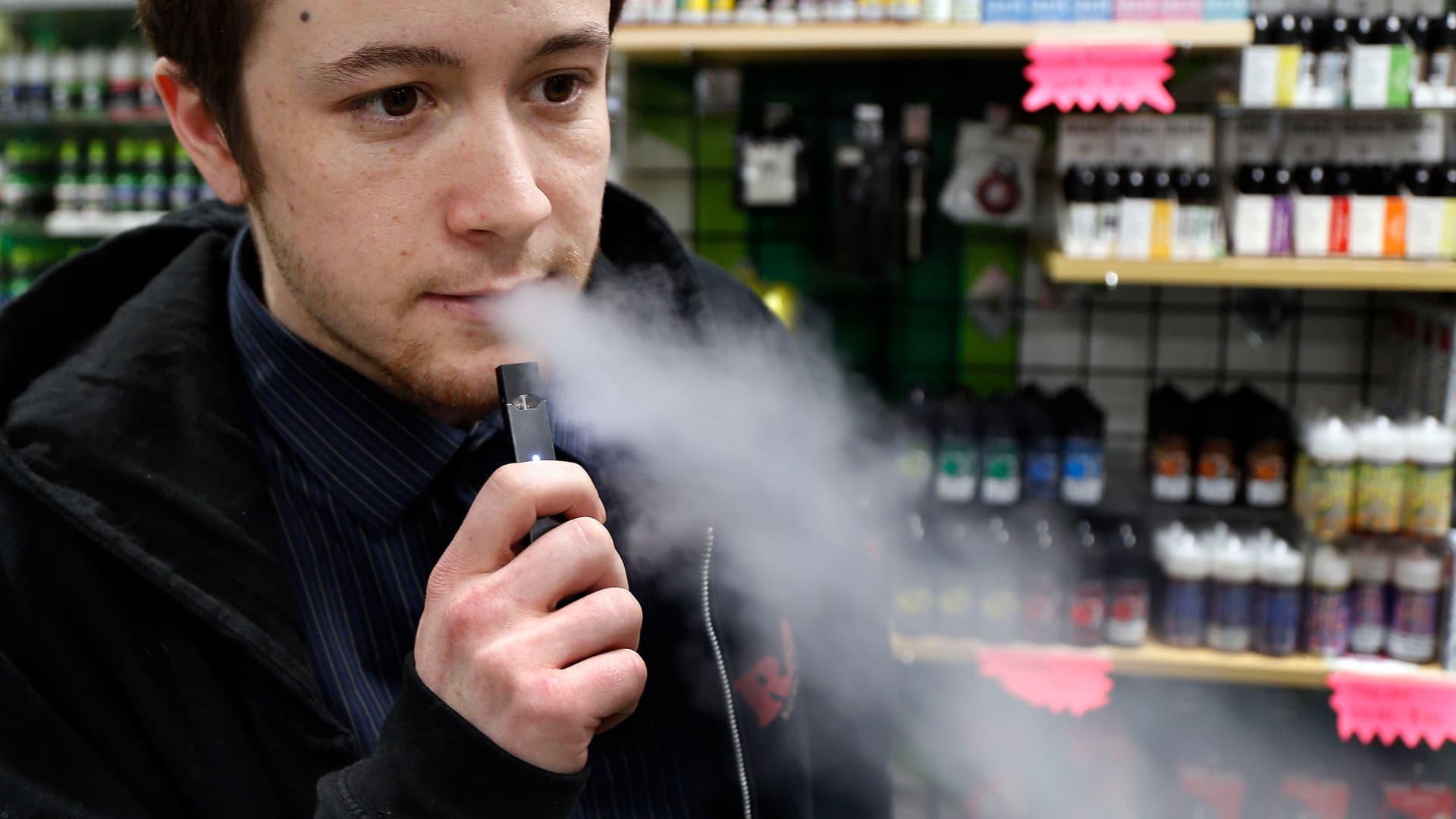
E-Cigarette Makers Hope Supreme Court Will Allow Trump Administration to Greenlight Flavored Vapes
E-cigarette makers argue the FDA unfairly denied marketing applications for flavored vaping products, raising hopes the Supreme Court will pave the way for a reversal under the Trump administration.

The battle over flavored vaping products has reached the Supreme Court as e-cigarette makers press for a re-evaluation of their products. Their hope hinges on the potential for the Trump administration to reverse current restrictions imposed by the Food and Drug Administration (FDA). This legal fight underscores the deep divide between public health advocacy and the vaping industry's interests. At the core of the debate is whether flavored e-cigarettes pose a greater public health risk or benefit, particularly in their role as smoking cessation tools.
The Current Landscape of FDA Regulation
Under the Biden administration, the FDA has maintained stringent oversight of vaping products. To date, the agency has rejected over a million flavored vaping products, allowing only tobacco and menthol varieties to remain on the market. The rationale? These flavors are deemed less attractive to adolescents, a group particularly susceptible to nicotine addiction.
Curtis Gannon, representing the Justice Department, emphasized that the FDA's actions were grounded in the Tobacco Control Act. This legislation requires regulators to weigh both the potential benefits of e-cigarettes in helping adult smokers quit and the risks they pose in attracting non-tobacco users, especially teenagers.
“They just didn’t have sufficient scientific evidence to bear out their claim that non-tobacco flavors are `crucial to getting adult smokers to make the switch,'” Gannon explained.
Vaping Industry’s Pushback
For vaping companies, the FDA's rejection of flavored products represents a significant barrier. These manufacturers argue that flavored e-cigarettes like “Killer Kustard” and “Iced Pineapple Express” are instrumental in helping adult smokers transition away from traditional cigarettes. They claim that the FDA's requirements for scientific evidence are unreasonably stringent and inconsistently applied.
Eric Heyer, representing Triton Distribution and Vapetasia LLC, pointed out that the FDA had not explicitly instructed companies to demonstrate that their flavored products were more effective than tobacco or menthol options in helping smokers quit. Calling the FDA's actions a “massive sea change,” Heyer contended that the lack of clear guidance sent manufacturers on a “wild goose chase.”
A Conservative vs. Liberal Divide at the Supreme Court
The Supreme Court's reception of the case reflects a familiar ideological split. Conservative justices appeared more sympathetic to the vaping companies' claims that the FDA’s actions were overly rigid. Meanwhile, liberal justices strongly defended the agency’s approach.
Justice Ketanji Brown Jackson emphasized the statutory mandate the FDA follows, asserting, “This is not a discretionary call of the FDA.” Justice Elena Kagan echoed this sentiment, stating, “Everybody basically knows that flavors are particularly dangerous in terms of kids starting the use of smoking products.”
Trump’s Role in the Debate
One of the vaping industry’s key arguments is tied to the incoming Trump administration’s previous stance on flavored vapes. As Eric Heyer highlighted, President Trump had publicly expressed support for flavored e-cigarettes, suggesting they could play a role in reducing tobacco use among adults. This political angle adds a layer of complexity to the case, as the industry hopes a shift in administration could lead to a more favorable regulatory environment.
The Trump administration has historically been more lenient toward industries with claims of innovation and economic benefits. However, public backlash against the teen vaping epidemic, fueled by the popularity of flavored products, had also prompted Trump to consider restrictions during his tenure.
The FDA’s Challenge: Balancing Risks and Benefits
The FDA’s rejection of flavored vaping products underscores the agency’s cautious approach to public health. While acknowledging the potential of e-cigarettes as a harm reduction tool, the FDA has consistently prioritized the need to prevent nicotine addiction among teenagers. Flavored products, with their appeal to younger demographics, have been at the center of this tension.
A significant factor in the FDA’s decisions is the evidence—or lack thereof—presented by vaping companies. The agency has maintained that robust scientific data is necessary to support claims that flavored e-cigarettes are essential for smoking cessation.
Public Health Concerns
Health experts and anti-smoking advocates have applauded the FDA’s stringent stance on flavored vaping products. Research has shown that flavors like “Jimmy the Juice Man Peachy Strawberry” and “Suicide Bunny Mother's Milk and Cookies” attract younger users, leading to increased rates of vaping among adolescents.
The Centers for Disease Control and Prevention (CDC) has reported alarming trends in teen vaping, with many attributing the surge to the availability of sweet, candy-like flavors. Critics argue that these products act as a gateway to nicotine addiction and potentially traditional tobacco use.
The Industry’s Defense: Smoking Cessation Potential
On the other side, vaping companies argue that their products provide a less harmful alternative to traditional cigarettes. They highlight anecdotal evidence and consumer testimonials that suggest flavored e-cigarettes help smokers quit.
However, public health officials have countered that such claims need to be substantiated by rigorous scientific studies. Without this evidence, they argue, the risks posed to non-smokers, particularly teenagers, outweigh the potential benefits.
Legal Precedents and Implications
The vaping industry’s case before the Supreme Court is notable not only for its public health implications but also for its potential to set legal precedents. Seven federal appeals courts have upheld the FDA’s approach, rejecting arguments that the agency unfairly targeted flavored products. However, the New Orleans-based 5th U.S. Circuit Court of Appeals offered a dissenting opinion, criticizing the FDA for its inconsistent standards.
If the Supreme Court sides with the vaping companies, it could compel the FDA to revisit its evaluations and potentially reopen the door for flavored e-cigarettes.
The Supreme Court’s decision in this case could have far-reaching implications for the vaping industry, public health policy, and regulatory practices. At its heart, the debate centers on the delicate balance between innovation and consumer safety. As the justices weigh the arguments, the outcome will likely shape the future of e-cigarette regulation in the United States, influencing how public health and industry interests are reconciled.
For now, the fate of flavored vaping products hangs in the balance, with e-cigarette makers and public health advocates alike awaiting a ruling that could redefine the industry’s landscape.