Dubai Traffic Relief: RTA Opens New 2-Lane Bridge on Sheikh Rashid Road
The Roads and Transport Authority (RTA) has opened a new two-lane bridge on Sheikh Rashid Road as part of the Al Shindagha Corridor Improvement Project, enhancing Dubai’s traffic flow and infrastructure.

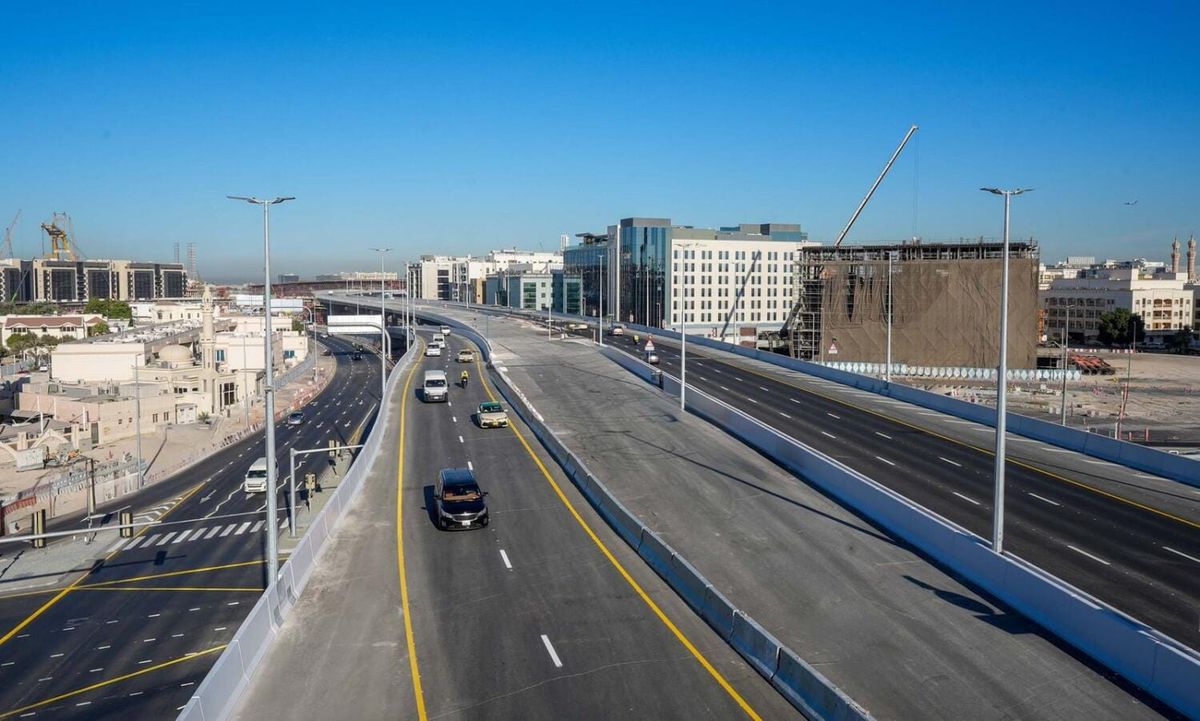
Dubai does not stop developing its infrastructure because of its accelerated urban development. Recently, Roads and Transport Authority (RTA) opened the two-lane bridge over Sheikh Rashid Road as a major milestone within Phase 4 of the improvement project for the Al Shindagha Corridor. Such a massive scheme demonstrates Dubai's interest in smooth traffic flow and improved road safety, with further reduced travel time.
Overview of the New Bridge
The newly opened two-lane bridge stretches for 605 meters. It links Al Mina Street and Sheikh Rashid Road to Sheikh Khalifa bin Zayed Street. This bridge has the capacity to handle 3,200 vehicles per hour and is anticipated to reduce congestion at one of the busiest intersections in Dubai.
Al Shindagha Corridor Improvement Project: Phase 4
Phase 4 of the Al Shindagha Corridor Improvement Project entails:
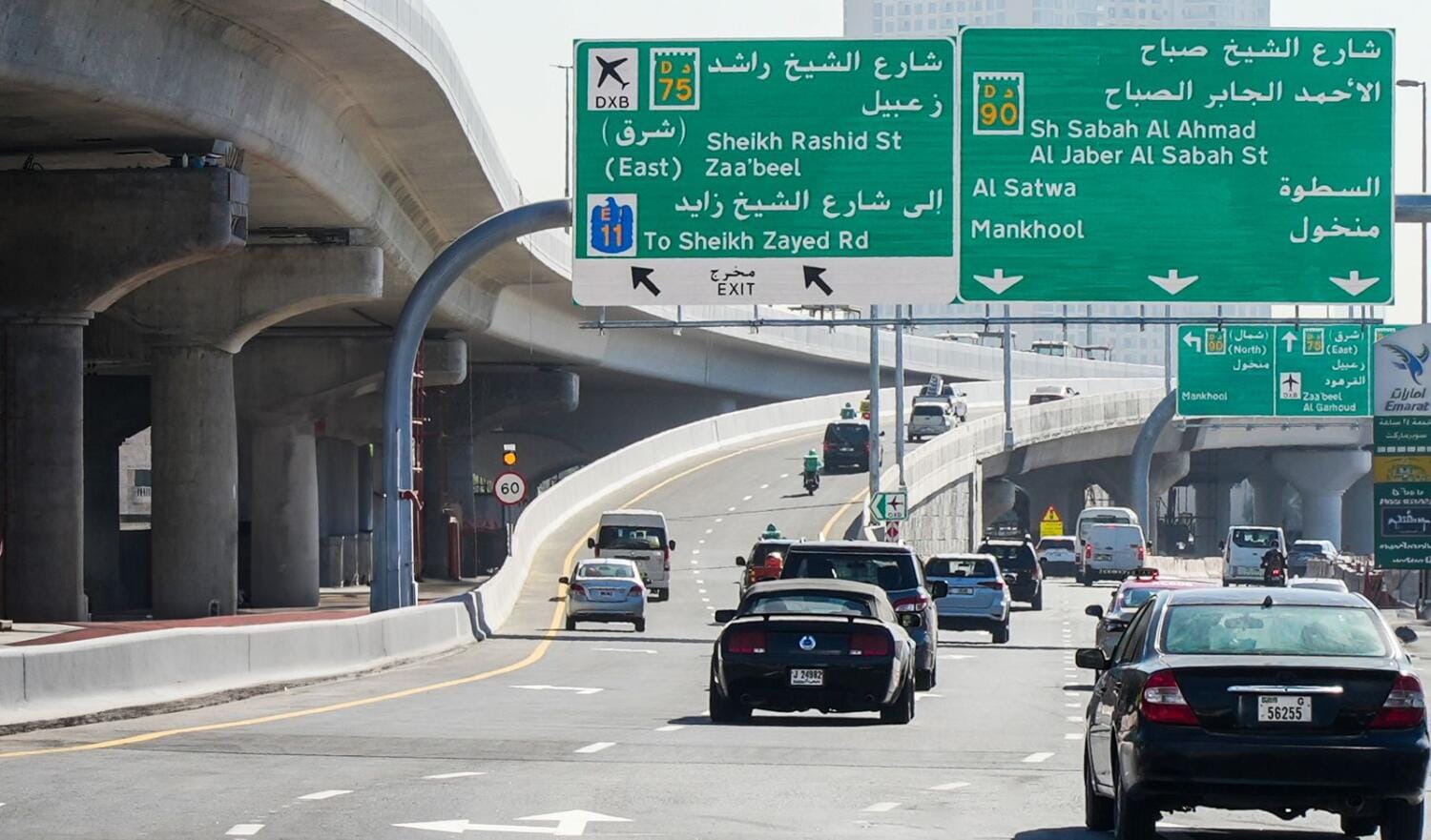
Construction of Four Bridges:
Bridge 1- December 2024. 1,335 m, Three-lane; capacity of 4,800 vehicles per hour
Bridge 2-just completed two lane. Length of 605 meters, the capacity 3,200 vehicles an hour.
Bridge 3-Water crossing under Q2, 2025; three lane bridge; the length of the water crossing bridge 1,210 meters will accommodate 4,800 vehicles an hour.
Bridge 4: Expected by Q3 2025, a two-lane bridge of 985 meters will ease crossing of traffic from Jumeirah Street to Al Mina Street.
Road Network Improvements:
4.8 kilometers of road improvement.
Surface intersection upgrading along Jumeirah Street, Al Mina Street, and Sheikh Sabah Al Ahmad Al Jaber Al Sabah Street.
Pedestrian Infrastructure:
Construction of two new pedestrian bridges on Sheikh Rashid Road and Al Mina Street.
Infrastructure Upgrades:
Lighting, Traffic Systems, Rainwater Drains, and irrigation systems will be improved.
Strategic Goals and Benefits
The Al Shindagha Corridor Improvement Project aligns with RTA's strategic objectives, addressing Dubai’s growing population and urban landscape. Key benefits include:
Enhanced Traffic Flow:
Reducing travel time along the corridor from 104 minutes to just 16 minutes by 2030.
Improved Safety:
Raising traffic safety standards to minimize accidents.
Cost Savings:
Projected savings of Dh45 billion over the next 20 years through reduced travel time.
The project will connect important areas like Dubai Islands, Deira Waterfront, Dubai Maritime City, and Port Rashid, accommodating about one million people.
Importance of Infrastructure Development
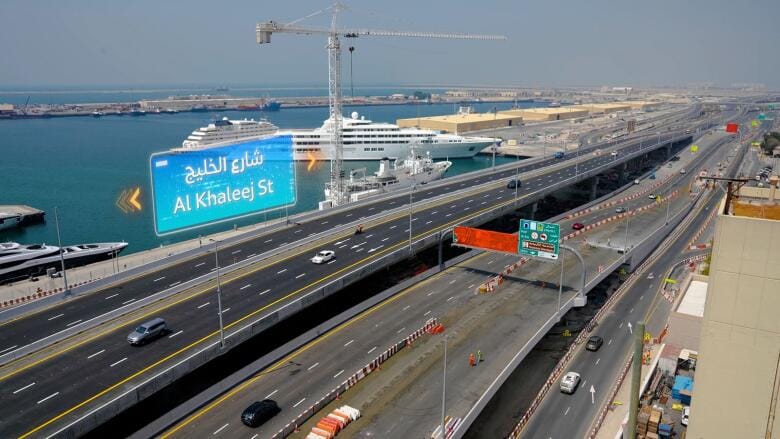
Dubai is growing very fast, so there is always a need to enhance the infrastructure so that the city remains in its position of a global hub. The Al Shindagha Corridor Improvement Project is the biggest scheme taken by RTA that covers 13 kilometers of stretch and consists of 15 intersections.
The initiative ensures seamless connectivity between Deira and Bur Dubai while catering to key economic zones. It also underlines the vision of Dubai in providing world-class infrastructure for sustainable urban development.
Future Outlook
The completion of Phase 4 will mark a significant step towards achieving the overall goals of the project. Third and fourth bridges, which are slated for completion in 2025, will ease the commutes of Dubai residents and visitors alike.
FAQs
What is the Al Shindagha Corridor Improvement Project?
The Al Shindagha Corridor Improvement Project is a mega-infrastructure project undertaken by the RTA to boost traffic flow and road capacity, improving safe crossing on a 13-kilometer stretch, linking major areas of Dubai.
How will the new bridge on Sheikh Rashid Road ease the way for commuters?
A two-lane bridge can pass 3,200 cars per hour, thereby reducing congestion and ensuring smooth flow at key intersections.
When are the remaining bridges under Phase 4 expected to be completed?
Two more bridges are expected to be completed in the second and third quarters of 2025, enhancing overall connectivity and capacity.
How will this project impact travel times?
Travel times along the corridor are projected to reduce from 104 minutes to just 16 minutes by 2030, significantly enhancing commuter efficiency.
What are the additional benefits of the project?
Apart from traffic improvements, the project encompasses pedestrian bridges, advanced traffic systems, and estimated cost savings at Dh45 billion over 20 years due to travel time reduction.