Dozens of Monkeys on the Run After Great Escape from Lowcountry Facility

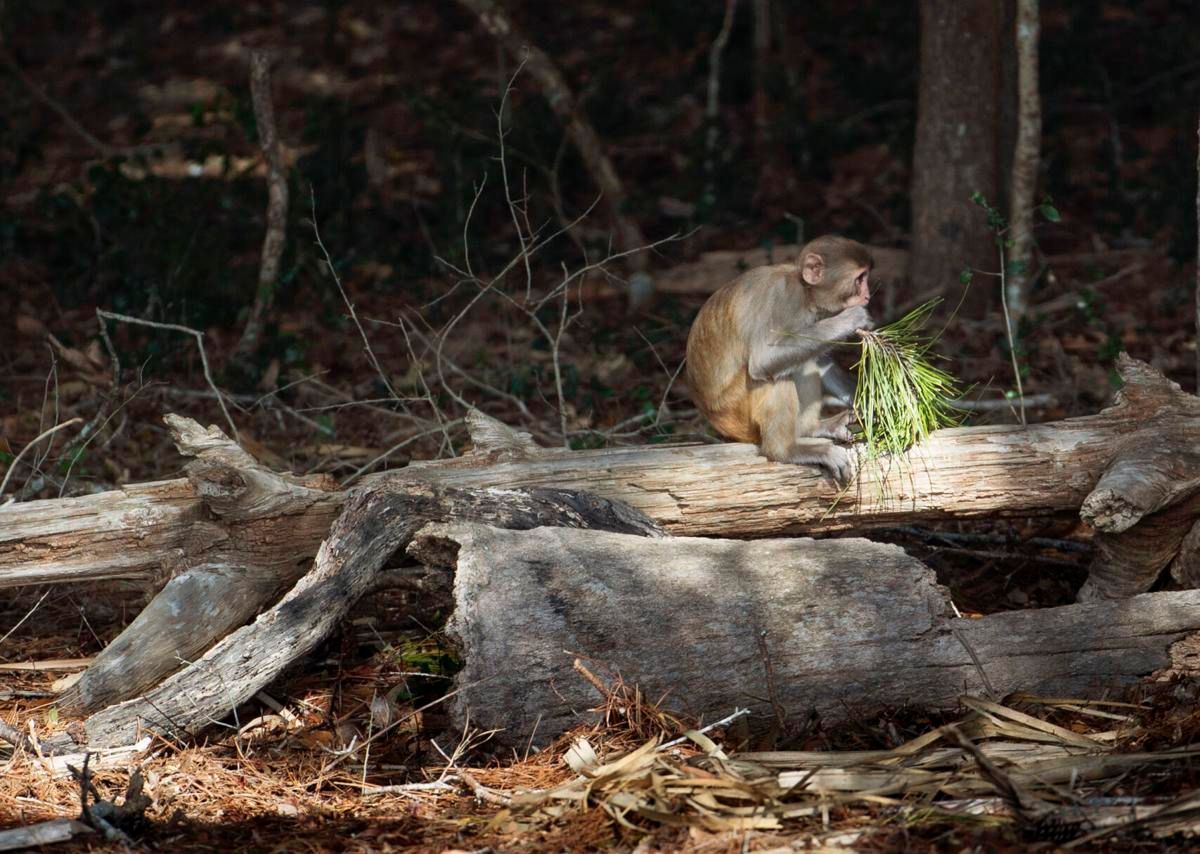
A group of 43 female monkeys escaped from the Alpha Genesis Primate Research Center in Yemassee, South Carolina, on November 6, 2024. The primates fled the facility around 1 p.m., and by the following evening, none had been captured. Local police, led by Police Chief Gregory Alexander, are actively working with Alpha Genesis to recapture the animals. They are using thermal imaging cameras and baited traps, although the search has been hampered by heavy rain. The escaped monkeys, small juvenile rhesus macaques weighing approximately 6 pounds, were not involved in medical testing, as they are still too young. Alpha Genesis confirmed that the caretaker had left two doors unsecured while cleaning, which allowed the monkeys to break free.
Alpha Genesis, which breeds monkeys for research and medical testing, has faced multiple security issues and violations in recent years. The breeding facility, which houses over 6,700 primates, has had multiple escape incidents in the past, including one in 2016, when 19 monkeys escaped but were recaptured after about six hours. Despite these past incidents, the current escape has raised new concerns. In a 2023 inspection, the U.S. Department of Agriculture (USDA) found several noncritical violations at the facility, including poor cleaning practices, moldy food, and issues with the temperature and safety of enclosures. More serious concerns about animal escapes were raised in a 2022 inspection, where six escape incidents were reported due to weakened chain-link fences or unsecured panels between cages. These violations led to an official warning from the USDA, with the threat of further penalties if the issues were not corrected.
The company has previously been fined by the USDA for various violations, including a $12,600 fine in 2017 for incidents between 2014 and 2016. These included improperly secured enclosures and dehydration caused by a malfunctioning water line. The facility also faced scrutiny after a 2015 incident, where a monkey was placed in the wrong social group and was killed by other monkeys. Despite these ongoing issues, Alpha Genesis has made efforts to improve the security of its enclosures, having repaired weakened areas and eliminated cages that could be opened by the primates.
While the monkeys have yet to be recaptured, authorities have reassured the public that they do not pose a health risk, as the monkeys are disease-free. However, local police have urged residents to secure their homes, warning that attempting to capture or keep the animals would be illegal, as they belong to Alpha Genesis.
Local business owners like Charlotte Murray, who runs the Lowcountry Living Room events venue near the Alpha Genesis campus, were not particularly worried about the escape. She noted that she and her neighbors have seen the monkeys in the area before and that, while the situation is unusual, the primates are generally not a major concern. However, the escape has sparked public attention, particularly given the facility’s history of security lapses.
Rep. Nancy Mace expressed concern and indicated that her office is monitoring the situation closely. The incident has garnered attention due to Alpha Genesis's history and its controversial role in breeding monkeys for research purposes. Alpha Genesis also runs a monkey colony on Morgan Island, off the coast of South Carolina, which is home to around 3,500 rhesus monkeys.
This escape marks the second primate-related incident in the Lowcountry this year. In May 2024, a Japanese macaque named Bradley escaped from its enclosure in Walterboro. After a multi-day search, the macaque was found dead, raising further concerns about the safety and security of primate facilities in the region.
The history of primate escapes and the ongoing controversies surrounding the use of monkeys in medical research add complexity to the narrative of the Alpha Genesis escape. Rhesus monkeys, which are widely used in scientific research due to their similarity to humans, have long been central to controversial experiments, particularly those conducted in the 1960s by University of Wisconsin scientist Harry Harlow. These experiments, which included isolating monkeys for long periods, led to severe psychological and physical harm to the animals, sparking ongoing debates about the ethics of using primates in research.
The escape of the 43 monkeys from Alpha Genesis has brought these issues back into the spotlight, prompting questions about the ethics of primate breeding and the adequacy of safety measures at facilities that house these animals. Authorities continue to search for the monkeys, and updates are expected as the recapture efforts unfold.
Read More: Zelenskyy Says 'Suicidal' to Offer Putin Concessions on Ukraine