Donald Trump’s Allegations Against USAID: Billions Stolen for ‘Fake’ News Media
Former President Donald Trump has made bold claims regarding USAID, alleging that billions of dollars have been siphoned off to fund ‘fake’ news media. His accusations have sparked widespread debate, with critics questioning the validity of his statements and supporters demanding an investigation.

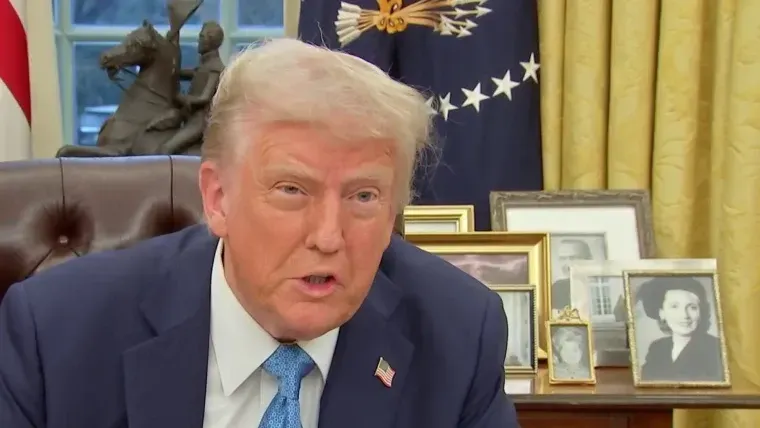
Former US President Donald Trump has once again hit the headlines with his claim that billions of taxpayer dollars are being siphoned off by the United States Agency for International Development (USAID) into funding 'fake' news media. Trump's claim has evoked a maelstrom of reactions across the political and media spectrum, from calls for investigations to outright dismissals as a form of empty political rhetoric.
This article explores the allegations made by Trump, history of funding in USAID, and broader implications of such claims on media integrity, public trust, and US international relations.
Trump's Claims: A Breakdown
During a rally and subsequent social media posts, Trump claimed that USAID has been using taxpayer money to secretly fund media organizations that push false narratives favorable to certain political agendas. He argued that this practice has undermined democracy and misled the public. According to Trump, billions of dollars meant for foreign aid have instead been funneled into pro-establishment media entities, creating a biased information landscape.
The Role of USAID in Media Funding
USAID's main agenda has always been funding humanitarian causes and global health initiatives, as well as democracy-building programs across the globe. Part of its mission involves providing support for press freedom and independent journalism in areas with extremely limited media. However, some controversy remains due to USAID's involvement in funding of media organizations, with critics questioning the objectivity of the outlets receiving the money.
The Debate: Fact or Fiction?
Trump's have sparked intense debate:
Supporters' Perspective – Supporters of Trump have claimed that USAID lacks transparency regarding funding and often, media organizations that receive such aid are not objective in reporting. They demand an official audit of USAID expenditure and greater oversight to ensure the money is being properly utilized.
Critics - The critics discredit the claims leveled by Trump to be baseless. USAID funding processes face tight scrutiny processes. Accusations of misappropriation inside USAID amount to a tactics to demonize independent journalism
Previous Concerns About USAID Spending
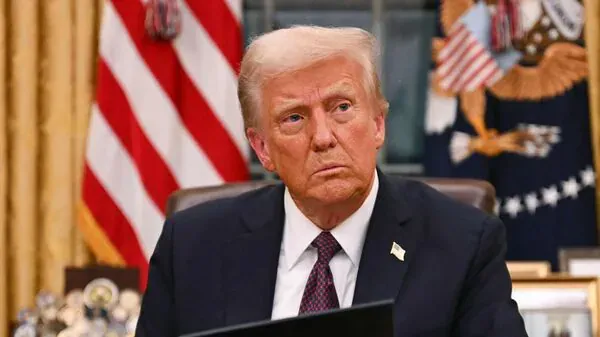
This is not the first time that USAID has been in the spotlight for all the wrong reasons. Through the years, people have questioned the wasteful spending, the misallocation of funds, and lack of oversight. Investigations uncovered fraud and inefficiency, giving room for doubts over the activities of the agency. Still, there is no evidence to confirm the claim of Trump that USAID has been siphoning billions into 'fake' news media.
Effect on Public Confidence in Media
Whether or not the allegations are true, they feed into a growing mistrust of mainstream media. In recent years, many Americans have questioned the integrity of major news organizations, believing that media bias and political agendas shape reporting more than factual accuracy. If Trump's claims gain traction, they could further erode confidence in media institutions and deepen the political divide.
Calls for Investigation
In response to this, a few lawmakers have asked USAID to allow an independent audit of its financial activities. Critics of transparency argue that a full investigation would either debunk or back up the claims by Trump thus restoring credibility before the public. Others feared that an investigation which was political would not only tarnish USAID's reputation globally but also embarrass it in its delivery of humanitarian services.
About Future of USAID
If Trump's claims lead to more exposure, USAID may be facing more difficulties in facing:
Increased scrutiny and budget cuts
Revision of funding strategies
Organisational restructuring; to make the organisation more transparent and accountable
On the other hand, if the investigations disprove Trump's claims, they could rebuild USAID's credibility at the same time discredit claims of USAID-wide corruption.
The claim of Donald Trump that USAID has channeled billions into 'fake' news media is an important allegation which has created controversy across political and media landscapes. While some have called for the investigation of the agency's financial activities, others have claimed such allegations are unfounded and politically motivated. The controversy does, however, bring to the forefront the struggle in the quest for media trust, government transparency, and public accountability.
Frequently Asked Questions (FAQs)
What does USAID primarily do?
USAID is a United States Government agency that manages international assistance programs for economic and social development, hunger mitigation and poverty reduction, disaster relief and humanitarian assistance, global health, and democratic development. It undertakes humanitarian projects, economic development, and democracy-building programs.
Wasn't USAID ever accused of misusing funds?
Yes, USAID was criticized before over allegations of wasteful expenditure and inefficiency. But there has been no proof of systemic corruption with regards to media funding.
What does Trump have in his arsenal as proof of the claims he made?
So far, Trump has not presented evidence that would make his claims plausible. His assertions are based on a general mistrust of the mainstream media and how the government distributes funds.
Could the USAID funding be probed?
Yes, lawmakers and transparency advocates could push for an independent audit of USAID's finances to determine if any misconduct has occurred. However, the likelihood of such an investigation depends on political will and public demand.
How does this controversy impact public trust in the media?
Trump's allegations further fuel the mistrust of the mainstream media. If his accusations are believed, then the people will lose faith in journalism and further polarize the political spectrum in the United States.