Donald Trump Calls to 'Open Up' the North Sea and Eliminate Windmills
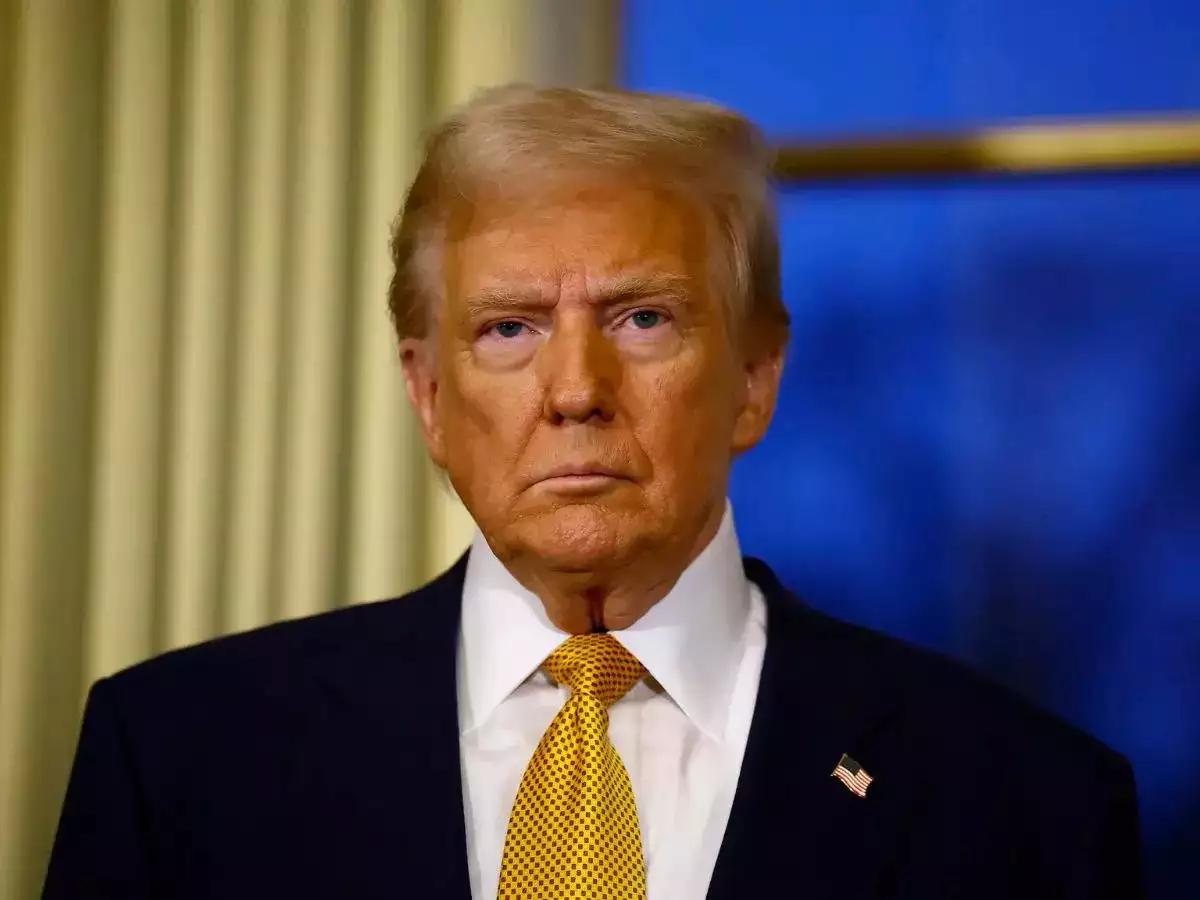
Donald Trump called for reopening the North Sea and removing the windmills in a scathing post on Truth Social as he cited low oil production and soaring costs in the renewable energy industry.

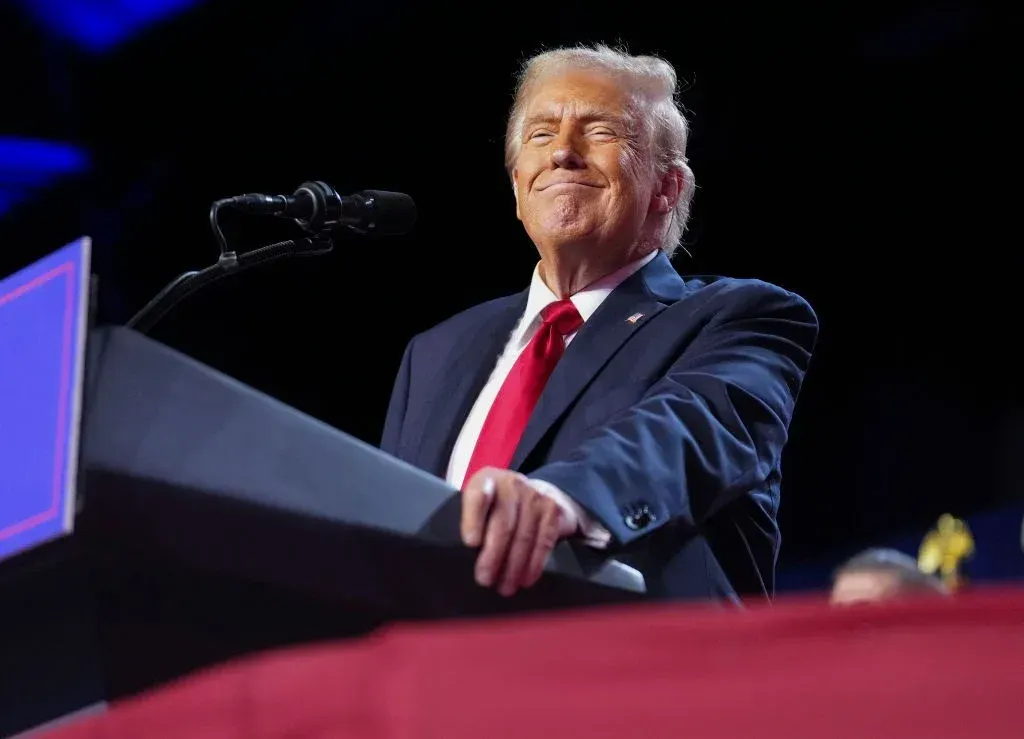
On his post at Truth Social, US President-elect Donald Trump urged that the North Sea be opened up to more exploration for oil and gas and encouraged the dismantling of the area's windmills. It comes amid reports that the country's oil production in the North Sea remains at a continuous all-time low over the years while the country's offshore wind sector continues to battle against escalating prices and other technological problems.
Once a stalwart of global oil and gas production, the North Sea has experienced a drastic decline in output since the turn of the millennium, when it reached a peak of 4.4 million barrels of oil equivalent per day (boed). Now, at less than 1.3 million boed, the majors are leaving the region. For instance, APA Corp's subsidiary, Apache, announced that it will exit the North Sea by 2029. The company predicted a 20% year-over-year decline in production by 2025.
The rise in taxation has exacerbated this trend downwards. On October 2023, the UK government increased the windfall tax on North Sea oil and gas producers to 38% from 35% and extended the levy for a further year. This tax hike to fund renewable energy initiatives has drawn sharp criticism from industry stakeholders who feel that it might deter investment and speed up the exit of producers from the old basin.
Renewable Energy Ambitions in the UK
Britain intends to decarbonize its power sector by 2030 and target gas-fired plants as the central area for that policy and increase the level of renewable projects. The biggest pillar for Britain's approach was offshore wind farms. Nevertheless, the past two years have really challenged the prospects of offshore wind. Increases in material prices and supply chain challenges, in conjunction with the latest rise in interest rates, increase the burden in developing and especially operating offshore farms, more especially those more than 100 kilometers out to sea.
Major players in the wind energy industry, including the world's largest offshore wind developer, Orsted, have been cutting back their investment and capacity targets due to such financial pressures. This has brought debates over whether heavily relying on offshore wind for sustainability is viable to the forefront.
The Trump View
Trump's post fits in with his longstanding criticism of wind energy. He has repeatedly complained that wind turbines are not only expensive and inefficient but also damaging to the environment and local communities. His call to "open up" the North Sea and rid it of windmills fits into his general energy policy, which is clearly pro-fossil fuel and antirenewable.
The remarks by Trump have been mixed. Supporters of his position say that increasing oil and gas production in the North Sea would boost energy security and increase employment opportunities. Critics say this policy goes against global efforts to curb climate change and shift towards cleaner sources of energy.
Industry Response
The oil and gas industry, overall, welcomed the words from Trump, believing this may be its salvation from extinction in the North Sea. One of the most important British producers of the North Sea is reportedly mulling over selling stakes in North Sea oilfields and will go for a listing on the US stock market. The fact that US giant ExxonMobil exited the region entirely by July 2023 indicates an exodus of big players.
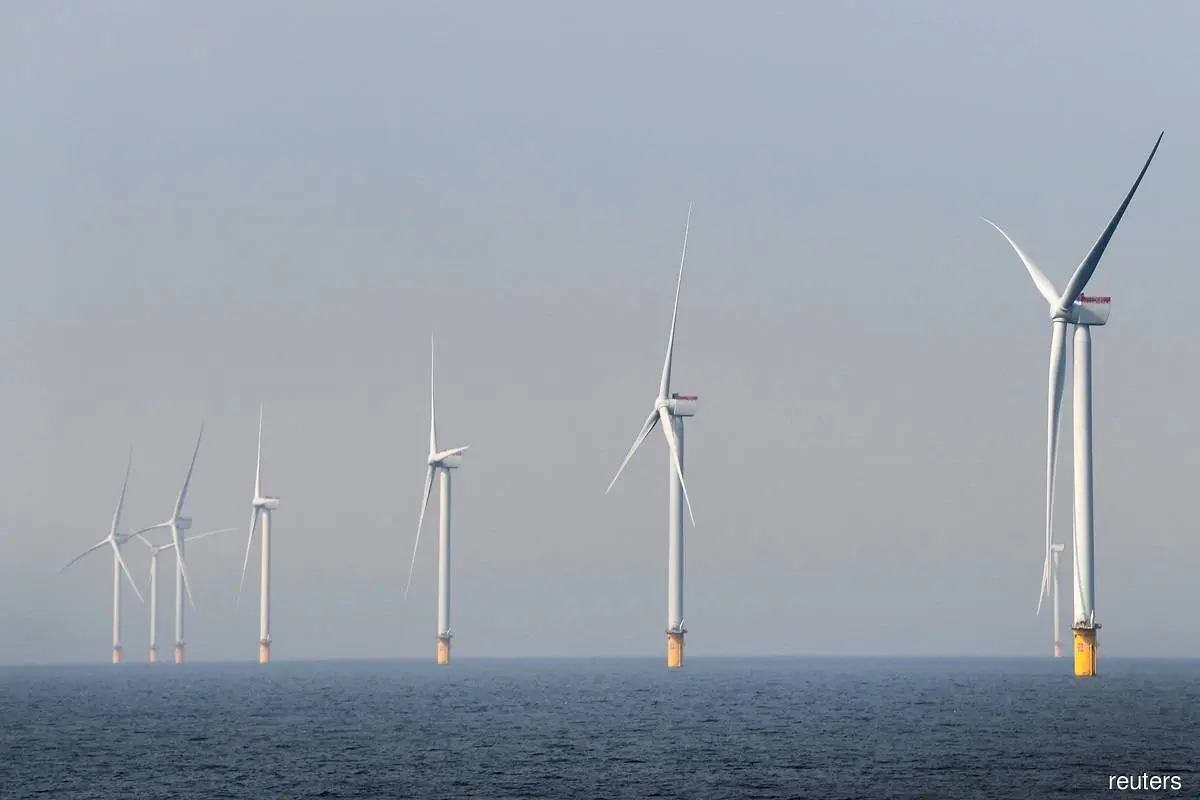
Offshore wind operators, however have raised concerns over the future of this industry. Because offshore wind has proven to be a costly investment for many, companies have resorted to strategic readjustment that may, in turn delay the uptake of renewable energy.
The North Sea is at a crossroads, and the debate over its future is getting intense. Policymakers face a daunting challenge of balancing energy security, economic growth, and environmental sustainability. It remains to be seen whether Trump's call to "open up" the North Sea will gain traction, but it has undoubtedly reignited discussions about the role of fossil fuels and renewable energy in shaping the global energy landscape.
FAQs
What did Donald Trump suggest about the North Sea?
Trump demanded the reopening of the North Sea to more oil and gas exploration and demanded the removal of windmills, calling them too expensive and inefficient.
Why is North Sea oil production falling?
Production has been falling because of the old infrastructure, depletion of resources, and high taxes on oil and gas producers.
How does the UK react to declining North Sea oil?
The UK has increased windfall taxes on oil and gas producers, which are financing renewable energy schemes, and wants to decarbonize its power sector by 2030.
What problems are facing the offshore wind industry?
It faces increasing development costs, supply chain issues, and interest rates, causing investment cuts and slower growth.
How has the oil and gas industry responded to Trump's comments?
The industry as a whole endorses Trump's position, believing it may give the North Sea a new lease on life and secure energy resources.