DOJ Scandal: Was a Top Official Fired Over Mel Gibson’s Gun Rights

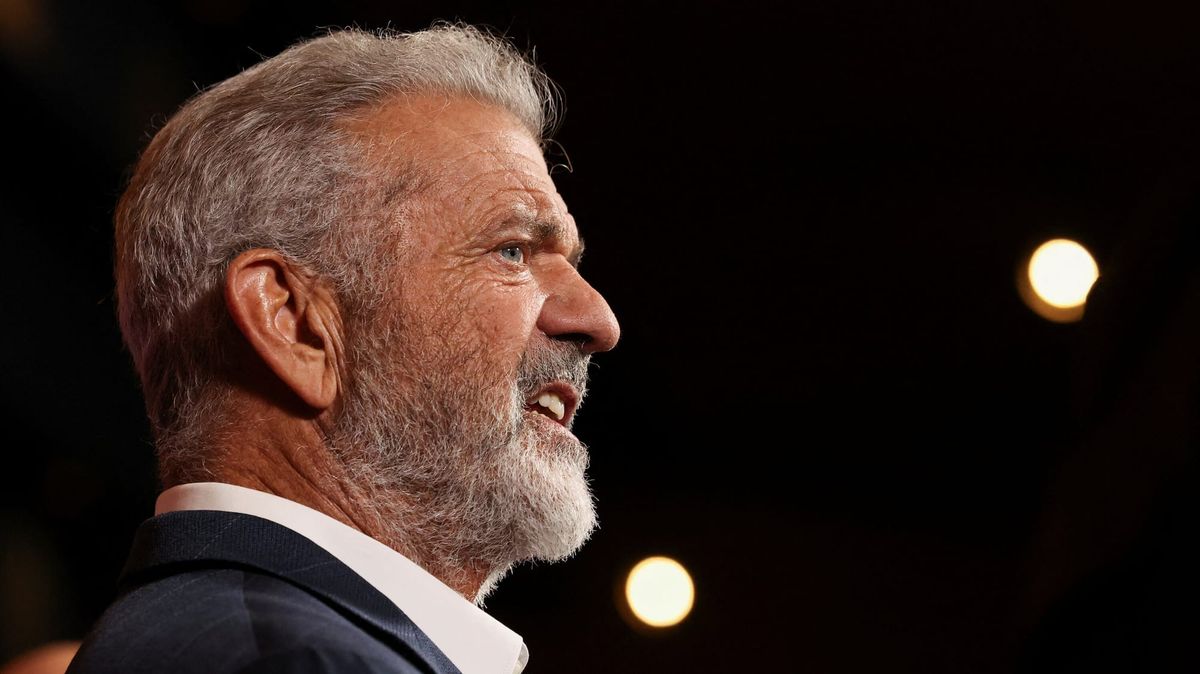
Why Did Mel Gibson Lose His Gun Rights? The Controversy Behind the DOJ Official’s Firing
Mel Gibson’s gun rights case sparks political and legal controversy—here’s everything you need to know.
Did the DOJ Fire an Official Over Mel Gibson’s Gun Rights?
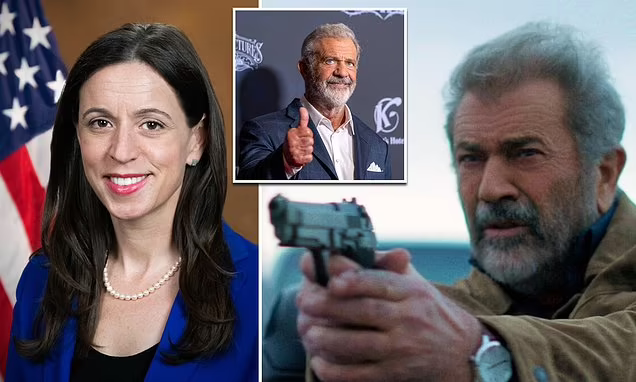
A recent report has sparked controversy over claims that former U.S. Pardon Attorney Elizabeth G. Oyer was dismissed from her role at the Department of Justice (DOJ) after refusing to reinstate actor Mel Gibson’s gun rights. The alleged request reportedly came from Deputy Attorney General Todd Blanche’s office, raising questions about political influence over the justice system.
Oyer, who had been involved in reviewing requests for gun rights restoration, alleges that her termination was directly linked to her decision to exclude Gibson from a list of individuals eligible to have their firearm rights reinstated. While no official statement has been made by the DOJ or Gibson himself, the allegations have ignited a heated debate on legal ethics and political favoritism.
Why Did Mel Gibson Lose His Gun Rights?
Mel Gibson’s right to own and carry firearms was revoked in 2011 following a domestic violence misdemeanor conviction. The conviction stemmed from an altercation with his ex-girlfriend, Oksana Grigorieva. Though Gibson pleaded "no contest"—meaning he neither admitted nor disputed the charge—it still resulted in a conviction.
Under federal law, individuals convicted of domestic violence offenses are prohibited from owning firearms. This restriction is intended to prevent further violence and enhance public safety.
DOJ Official’s Allegations Against the Biden Administration
According to an investigative report by The New York Times published on March 10, 2025, Oyer claims she was approached with a request to add Gibson’s name to a list of individuals whose gun rights could be restored. She asserts that this request came from Blanche’s office, citing a letter from Gibson’s legal team dated January 2025.
The letter reportedly argued that Gibson had rebuilt his career, was a respected Hollywood figure, and had been appointed as a "special ambassador to Hollywood" by President Donald Trump. However, Oyer declined to include Gibson’s name, citing his prior domestic violence conviction as the reason for ineligibility.
Political Pressure & Gibson’s Alleged Ties to Trump
Oyer alleges that after refusing the request, she was pressured by a superior who asked if she was “flexible” on the matter. She further claims that she was told Gibson had a "personal relationship with President Trump," which should be taken into account when considering his case.
Despite standing her ground, Oyer says she was fired the very next day, though no official reason was provided. The sudden dismissal has led many to speculate whether political connections played a role in the push for Gibson’s gun rights reinstatement.
Mel Gibson’s Political Influence & Trump’s Support
In January 2025, President Trump named Mel Gibson a "special ambassador to Hollywood," alongside actors Sylvester Stallone and Jon Voight. This appointment was seen by many as a nod to conservative Hollywood figures who have been vocal supporters of Trump’s administration.
While Gibson has not publicly commented on his alleged request for gun rights restoration, the actor has previously expressed conservative political views and has attended events associated with Trump.
Legal & Ethical Concerns Over Gun Rights Restoration
The controversy raises several key questions:
- Should individuals with domestic violence convictions be eligible to have their gun rights restored?
- Was political favoritism at play in Gibson’s case?
- Did the DOJ overstep legal boundaries by allegedly pressuring an official to reinstate Gibson’s gun rights?
Advocates for domestic violence survivors argue that firearm restrictions for offenders are essential for public safety. On the other hand, some argue that individuals who have served their sentences and demonstrated rehabilitation should be given a second chance.
The case surrounding Mel Gibson’s gun rights has ignited a broader conversation about justice, political influence, and legal ethics. Whether or not Gibson’s rights will ultimately be restored remains to be seen, but the allegations made by Elizabeth G. Oyer have certainly cast a spotlight on how such decisions are made behind closed doors.
As of now, neither Mel Gibson nor the DOJ has issued an official statement addressing these claims. However, this unfolding controversy is likely to remain a focal point in discussions surrounding legal accountability and gun rights policies.