Distrustful' Trump Defies Protocol to Reach World Leaders: Some Insight Into His Unorthodox Diplomatic Style
Donald Trump’s disregard for established diplomatic protocols and tendency to reach out directly to world leaders highlight his distrust of traditional statecraft, reshaping foreign policy during his presidency.

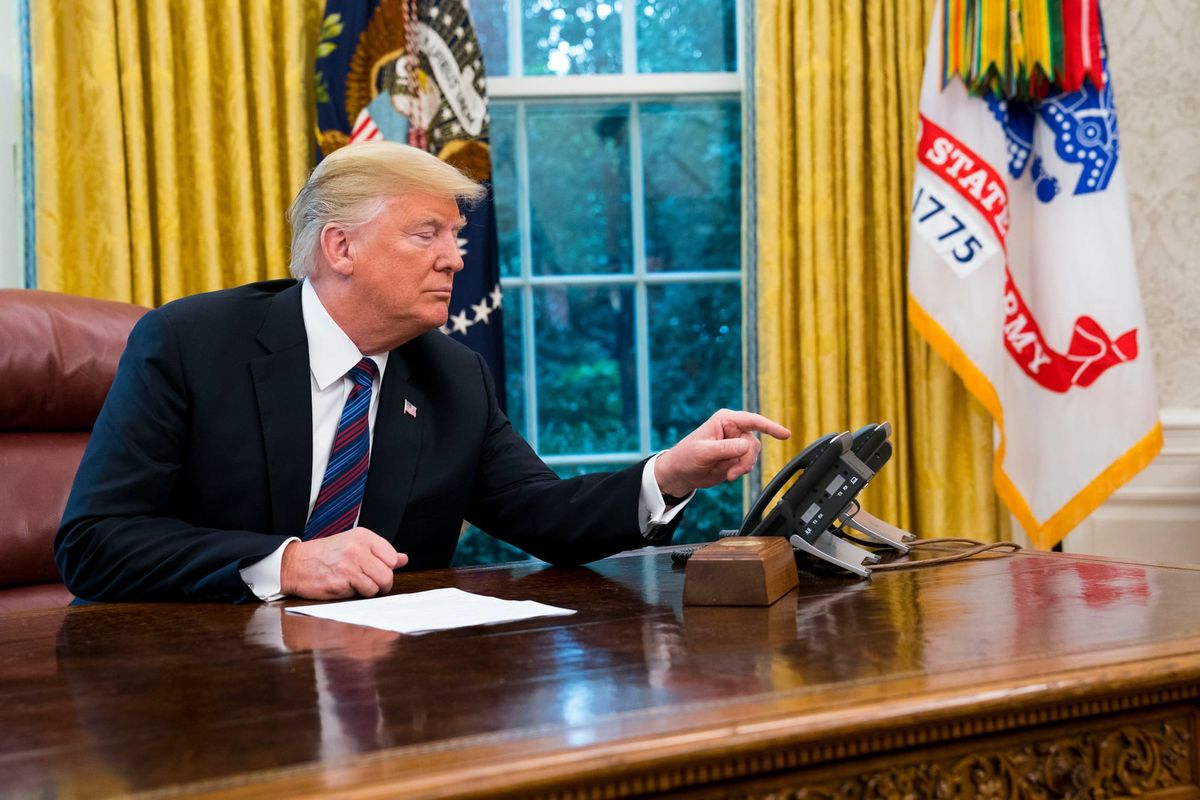
Donald Trump was, to say the least, a rather unconventional politician for his times. Even in the arena of international relations, this was not an exception. For much of his presidency, he sidestepped the formal diplomatic lines and, largely bypassing procedure and convention, was personally calling other world leaders. His distrust of the bureaucratic processes designed to manage foreign affairs marked a significant, almost unprecedented, departure from traditional presidential conduct and precipitated questions about what the long-term implications of such a strategy would be.
Even though the direct calls to foreign leaders were a way of breaking away with tradition, they eventually became a hallmark of his foreign policy. It is notable when he telephoned leaders from North Korea, Russia, and other countries without consulting first with his advisors or the key departments like the State Department. For example, his 2017 phone call with then-President Vladimir Putin of Russia became the public scandal regarding the unclear agenda and the lack of openness in such a discussion.In line with his deep-seated mistrust of the U.S. foreign policy establishment, the ex-president preferred personal diplomacy. Trump frequently spoke of the "swamp" in Washington, D.C., and made it very clear that he distrusted traditional diplomatic structures. Direct calls to leaders frequently left career diplomats and intelligence officials scrambling to catch up, often left in the dark about the content of his conversations.
The tactic of Trump was praised by some of his followers but blamed by his opponents. His followers argued that in certain measures, this direct confrontation was refreshing from the intricate and time-consuming diplomatic practices. They claimed that this gave more flexibility to make quick decisions, especially in situations requiring swift responses. But critics countered that apparent disdain for standard protocols undermines the professionalism of U.S. diplomacy, potentially damaging allies and fostering uncertainty in international affairs.
Probably, one of the most bitter examples of Trump's direct diplomacy was in the Ukraine scandal back in 2019, which eventually led to the president's impeachment. An alarm was sparked by the involvement by the president through direct talk with the head of state of Ukraine without following proper channels of diplomacy regarding the risk that political foreign policy and diplomacy could be degraded for personal gain. The incidence showed it is quite wrong to circumvent established norms since it fueled debate over the credibility of U.S. diplomacy and what motivated the president's action.
Yet the criticisms notwithstanding, there was a segment of the American public that Trump appealed to with his willingness to break from tradition. His populist approach to foreign policy was an extension of his overall agenda: the disruption of the status quo, returning America to an assertion of its interests in a more direct and assertive manner.
Ultimately, Trump's reckless disregard for procedure has created a unique legacy in U.S. foreign policy-one marked by unpredictability and a tendency toward personal, sometimes impulsive engagement. The true import of that legacy will have to be worked out for years to come as the United States charters its way through international relations.