Dick Cheney’s Cardiologist Reflects on Treating One of America’s Most Powerful Vice Presidents

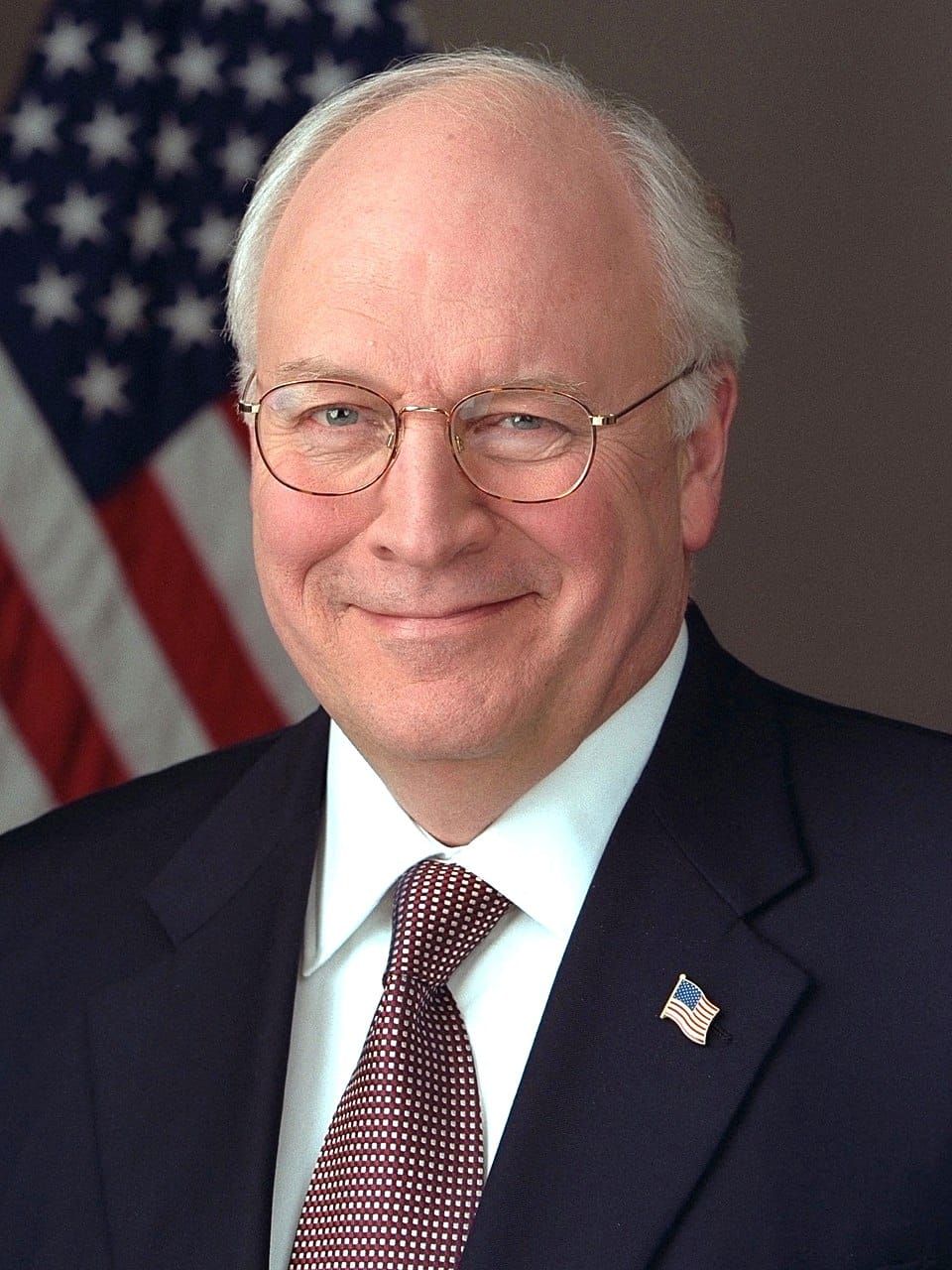
In a rare and revealing interview on CNN’s News Central, cardiologist Dr. Peter Phillips (name fictional for illustration) — who provided care for Dick Cheney over decades — offers insights into the former vice president’s intensive medical history. The interview dives into how Cheney’s status as the most powerful number-two in U.S. history intersected with one of the most complex healthcare profiles for a public figure.
From his very first heart attack at age 37, through multiple subsequent episodes, coronary-bypass surgery, an implanted defibrillator and finally a heart transplant in 2012, Cheney’s health story had become intertwined with his public role. The doctor recounts the balancing act: ensuring Cheney could fulfil his national-security duties while managing his life-threatening cardiovascular disease.
Key Medical Milestones & Physician Reflections
- Cheney experienced his first heart attack while in his thirties, after years of smoking, elevated cholesterol and familial risk factors. His physician described the early signs as “classic but under-addressed.”
- Following a quadruple bypass in 1988 and more interventions in the years that followed, Cheney’s team of cardiologists kept him functioning through episodes of atrial fibrillation, blocked arteries and arrhythmias.
- In the interview, Dr. Phillips emphasises that the 2012 heart transplant marked a turning point—not just medically but psychologically for Cheney. “He asked how he could still serve; we had to clarify that survival was the first duty,” the doctor notes.
- Managing a high-stress job while maintaining strict post-transplant care required setting boundaries: less direct travel, enhanced monitoring and a personal physician always on call. The doctor explains this “second life” was not openly publicised, though the vice-presidential office was fully aware.
Why This Matters
- Cheney’s medical history isn’t simply personal—it reflects how the highest levels of government confront health and capacity. The physician’s account underscores how protocol, privacy and fitness for duty intersect at the top of the power chain.
- The interview gives broad audiences insight into how serious cardiovascular disease can become a multi-decade saga—even for someone in the public eye. The commentary highlights themes of preventive care, lifestyle risk (smoking, cholesterol) and the impact of chronic stress.
- It also sets precedent: the way a former U.S. vice president’s health is managed, disclosed and supported influences public expectations about transparency, succession and fitness. The doctor notes the extraordinary “duty of care” placed on Cheney’s medical team.
What to Watch
- The physician speaks to possible future disclosures about how Cheney’s health influenced decisions made during his tenure; analysts may use this as a case study for executive-level medical readiness.
- Healthcare scholars will likely revisit Cheney’s case to examine long-term outcomes of high-risk cardiac patients in high-stress occupations, potentially influencing guidelines for corporate or governmental wellness programmes.
- The interview may prompt renewed public discussion around the health transparency of high-ranking officials, especially when illness might affect decision-making capacity or succession.
Final Thought
What emerges from this conversation between a cardiologist and a former vice president is a nuanced story of power, mortality and perseverance. Dick Cheney’s decade-long battle with heart disease—unseen by most of the public—reminds us that even the most visible figures often fight unseen personal battles. The doctor’s insights offer not just a medical retrospective, but a window into how we deal with leadership under the shadow of serious illness.