Denmark Announces $2 Billion Arctic Security Plan to Counter Geopolitical Threats
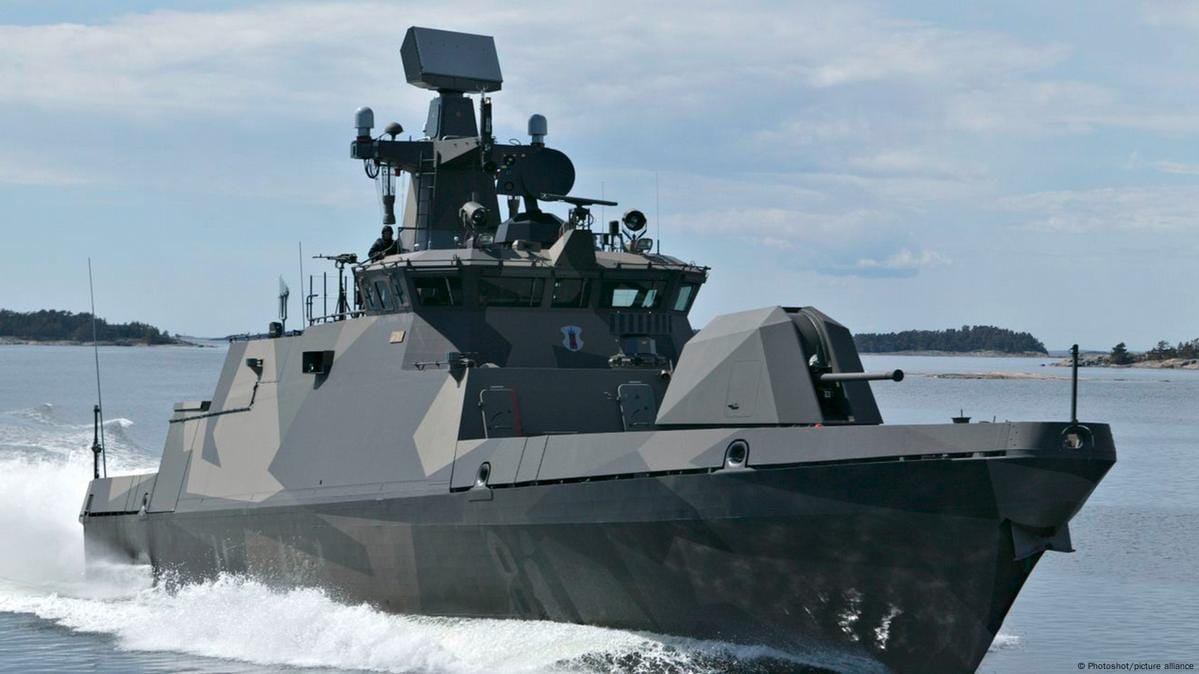
Denmark unveiled a $2 billion Arctic security plan to strengthen defenses near Greenland amid rising geopolitical tensions. The initiative follows U.S. interest in Greenland and growing strategic concerns in the Arctic region.


Denmark has committed to spending 14.6 billion kroner on enhancing security in the Arctic, a clear indication of the country's commitment to strategically safeguard its interests as global tensions escalate, especially after U.S. President Donald Trump's highly controversial remarks about acquiring Greenland.
The Rising Strategic Significance of the Arctic
It is a hotspot of international competition with the untapped mineral resources of the Arctic and new shipping routes opening up due to melting ice. The region is increasingly at the center of global powers, such as the U.S., Russia, and China.
Denmark's Defense Minister: Tackling Arctic Challenges
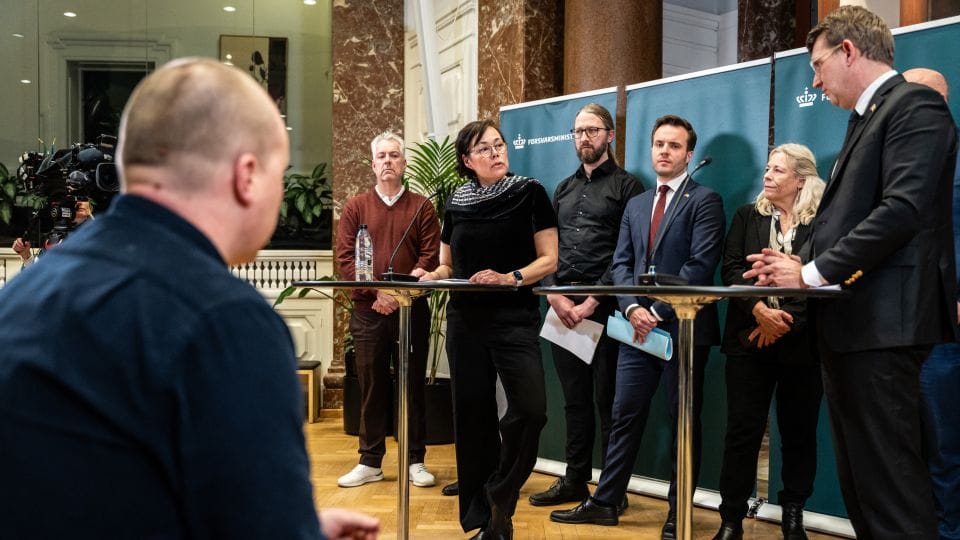
Denmark's Defense Minister Troels Lund Poulsen stated that there is a pressing need to take care of security concerns in the Arctic and North Atlantic. "We must face the fact that there are serious challenges regarding security and defense in the Arctic and North Atlantic," he said, supporting Denmark's strategic move.
Role of Greenland in Security Plan
It is within this context that Greenland, as an autonomous Danish territory, forms the epicenter of this security investment. Being strategically positioned between North America and Europe, it holds great importance for NATO and the West's defense strategy.
Diplomatic Efforts of Prime Minister Mette Frederiksen
Danish Prime Minister Mette Frederiksen is scheduled to travel to Berlin, Paris, and Brussels to confirm European consensus on Greenland. She will meet key leaders, including French President Emmanuel Macron and German Chancellor Olaf Scholz, about their coordinated defense strategy.
U.S. Role and NATO's Strategic Interests
It kept a military presence in Greenland through the Thule Air Base. Recent geopolitical shifts again made the role of NATO in the Arctic increasingly important, and the initiative initiated by Denmark aligns well with broader security objectives of the West.
Russia and China are expanding their visions for the Arctic.
Russia has significantly expanded its military presence in the Arctic, and China has proclaimed itself as a "near-Arctic state" with extensive economic interests in the Arctic area. This is where Denmark's security policy seeks to mitigate the effects of these influences.
Economic and Environmental Issues
In addition to security, Greenland's resources and climate face both economic development and environmental issues. It is a delicate balancing act between economic growth and ecological protection.
Denmark's $2 billion Arctic security plan marks a decisive step in safeguarding its interests and reinforcing NATO's strategic posture. As global powers continue to vie for influence, Denmark's proactive approach is crucial for regional stability.
Frequently Asked Questions (FAQs)
Why is Denmark investing $2 billion in Arctic security?
Denmark is expanding its Arctic defense as geopolitical tensions rise, particularly with Russia and China's expanding presence and U.S. interest in Greenland's strategic importance.
What does this plan mean for Greenland?
The plan upgrades Greenland's security infrastructure, further supports NATO's strategic interests, and cements Denmark's commitment to protecting the sovereignty of the island.
What is the role of NATO in Arctic security?
NATO sees the Arctic as a key region for global security. Denmark's investment fits into NATO's efforts to counter Russian and Chinese influence in the region.
What are the economic implications of this investment?
The initiative locks up Greenland's resources, expands Denmark's defense industry, and bolsters Arctic infrastructure, which could lead to more international partnerships.
How does this move affect Denmark's relations with the U.S. and Europe?
Denmark's security plan is strengthening its alliance with NATO and European nations while maintaining a balanced approach to U.S. interests in Greenland.