Death Stranding 2: A Tech-Rooted Journey Through Isolation

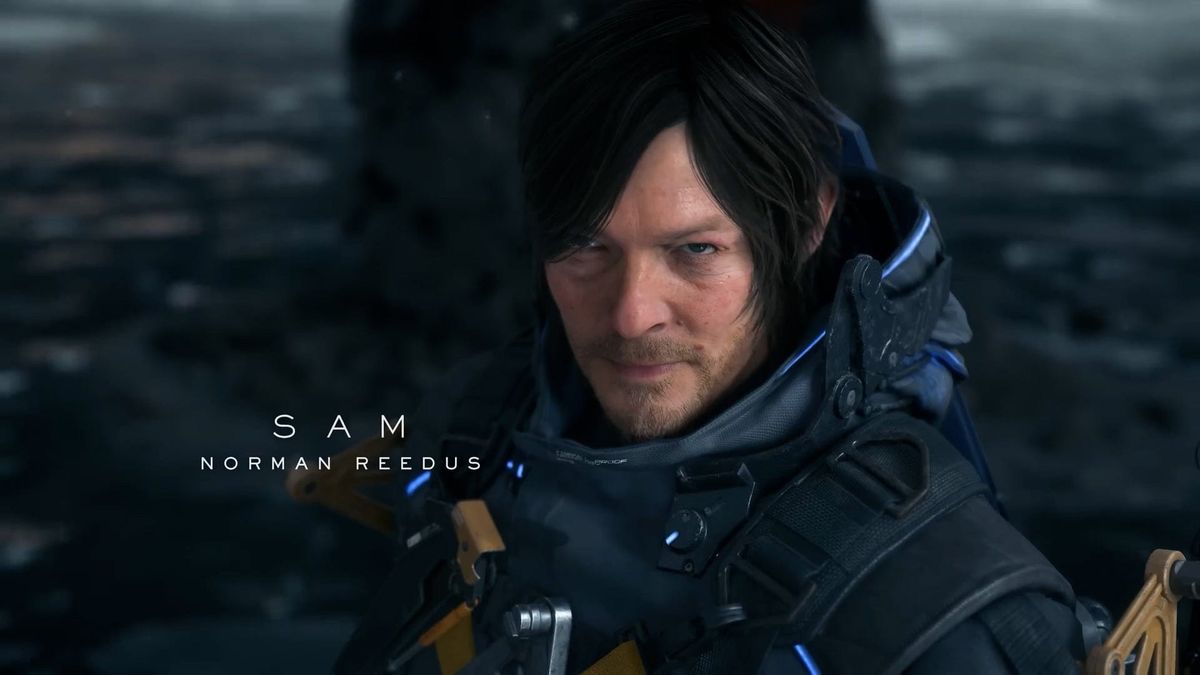
Death Stranding 2: On the Beach, Hideo Kojima’s anticipated sequel due June 26 on PS5, recasts you as Sam Porter Bridges—now navigating the Australian outback. The world remains fractured, with scattered outposts reliant on your deliveries and the chiral network to stay connected . This mission—building tech to bring people together—also invites sharp reflections on how digital advances reshape human bonds.
- Environmental Reconnect: You start on foot, hauling cargo across rugged terrain. With ladders, rappels, and off-road gear, traversal amplifies both physical struggle and emotional weight.
- Tech’s Double Edge: Every successful delivery constructs shared roads, EV chargers, even monorails powered by other players—mirroring how interconnected systems help us, but incrementally edge human roles toward obsolescence.
- Combat & Evolution: In contrast to stealth-heavy gameplay, combat now gets center stage—an evolution Kojima likens to shifting from Alien to Aliens. It's not just about survival—it’s an emotional crucible.
- Technology Versus Touch: Holograms, remote likes, delivery bots—all amplify isolation. The game emphasizes flesh-and-blood realities: thirst, fatigue, balance, even bathroom breaks. Kojima’s design forces players to physically feel their character’s humanity .
- Healing Through Connection: Under the surface is grief—Sam and Kojima both endured personal loss—and the mission grows spiritual. Building connections isn’t just saving infrastructure; it’s reclaiming humanity .
Why It Resonates Now
- Tech anxiety in real life: As we grow dependent on remote work, social media, AI, the game mirrors fears of losing touch—even as it shows how digital infrastructure might abandon us.
- Pandemic prescience: Its precursor became eerily relevant during COVID lockdowns. Now, the sequel explores how this new normal shaped us .
- Emotional catharsis: Many players report reduced anxiety and deeper emotional impact after engaging with the themes of service, solitude, and effort.
Gameplay Upgrades
- Traversal & Construction: Fast vehicles, monorails, and construction systems replace slow travel—yet they foreground your physical effort.
- Combat Focus: With a balanced “stick and rope” system, you can now fight, sneak, or bypass threats—adding strategic heft to your lonely trek.
- Social Network Gameplay: Likes, shared structures, community contributions—these connected elements force you to grow in the same world as others, encouraging meaningful collaboration .
Death Stranding 2: On the Beach isn’t just a sequel—it’s a mirror: challenging today’s digital conveniences with a reminder of our social and sensory selves. By blending action, collaboration, and emotional reflection, it asks: Can we build systems that elevate human experience without letting us slip into digital solitude? Kojima doesn’t answer that for us—but he brings us closer to feeling the tension, step by balanced step.