D’Angelo’s Family Speaks Out After His Death

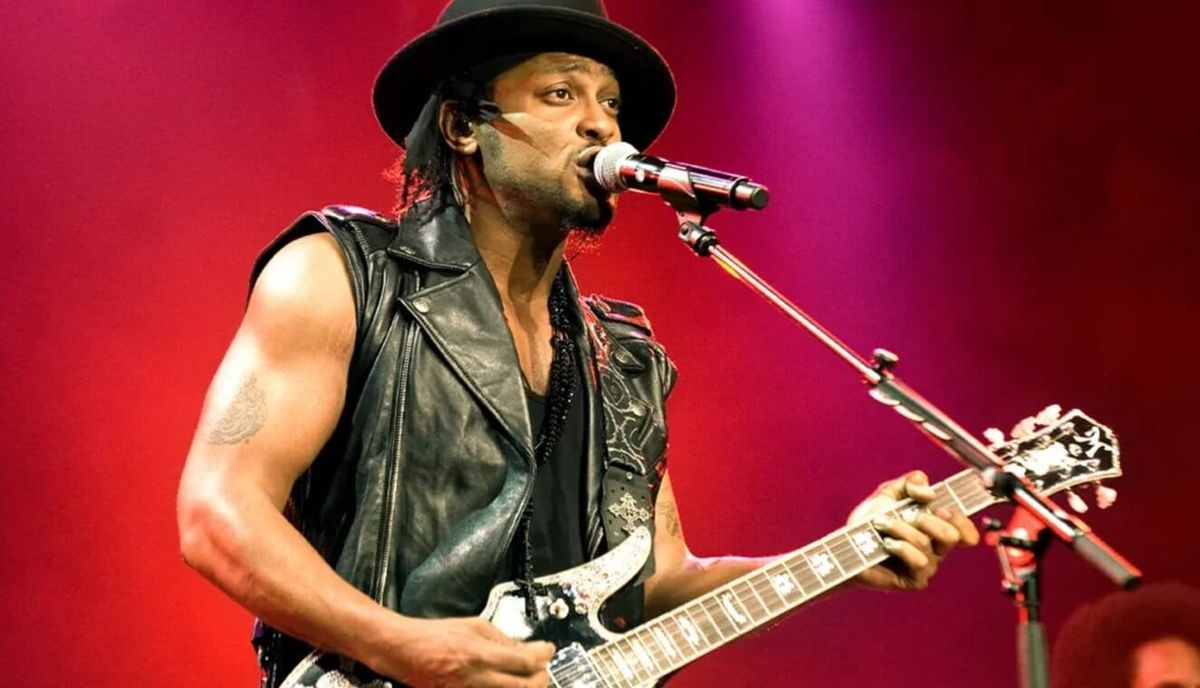
The music world was shaken by the news that D’Angelo—the Grammy-winning neo-soul icon born Michael Eugene Archer—passed away at age 51 after a private struggle with pancreatic cancer. In the days following his death, his family broke their silence. They described the loss as profoundly painful and asked for respect and space during this difficult time.
In their public statement, they referred to him as the “shining star” of their lives, and said that although his light has dimmed in this life, his music will continue to illuminate hearts for generations. They urged fans to join them in mourning while also celebrating the profound artistry he leaves behind.
A Life Measured in Music and Quiet Battles
D’Angelo first rose to prominence with his 1995 debut Brown Sugar, a seminal album that blended classic R&B with fresh soul and hip-hop influences. He followed that with Voodoo (2000), which solidified his status as a neo-soul innovator and earned him Grammy acclaim. After a long gap in releases, he returned with Black Messiah in 2014, once again winning critical praise.
Though his public life was defined by musical brilliance, insiders say D’Angelo wrestled with personal challenges—maintaining privacy, managing health, and navigating the burdens of fame. In the end, it was cancer—a diagnosis kept largely private—that took him. The family noted his passing followed a “prolonged and courageous battle” with the disease.
Legacy, Memory, and the Human Loss
D’Angelo’s death reverberates far beyond the music community. To many, he represented a deeply emotional voice in modern soul—a bridge between tradition and experimentation, vulnerability and strength. Amid tributes pouring in, his family’s voice now anchors the narrative: grief, gratitude, love, and the weight of absence.
They asked that media and fans alike respect their privacy as they heal. Yet they also welcomed the public to join in honoring a body of work defined by sincerity and sonic depth. Theirs is a story of loss, yes—but also of legacy: an artist whose creations continue to speak when he cannot.