Cuba Frees 553 Prisoners After Biden Removes It from State Sponsors of Terrorism List
It released 553 prisoners days after Cuba's removal from the U.S. State Sponsors of Terrorism list by President Biden. It's a decisive turning point for a new stage of Cuba-U.S. relations and regional diplomacy.

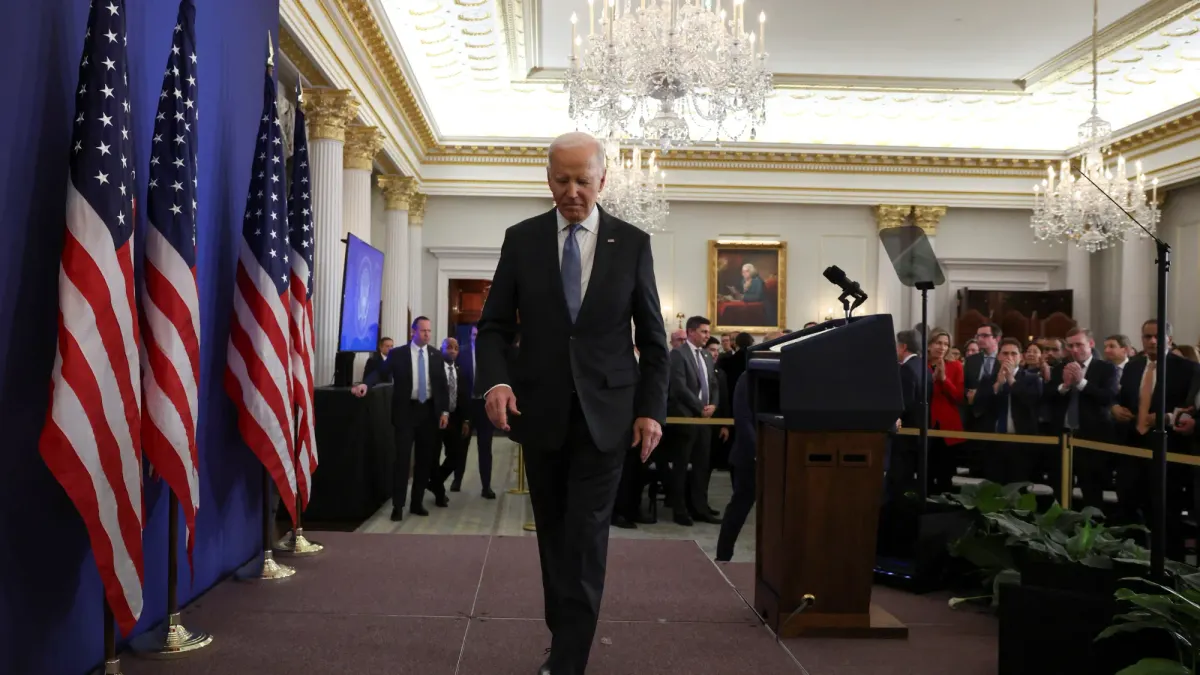
Cuba’s recent announcement of releasing 553 prisoners marks a significant step in the island’s political and diplomatic evolution. This decision coincides with President Joe Biden’s move to remove Cuba from the U.S. State Sponsors of Terrorism list. This development represents a potential thawing of decades-long tensions between the two nations. The prisoner release not only holds domestic significance but also carries profound implications for Cuba’s international standing and human rights discourse.
Background: The State Sponsors of Terrorism List
The U.S. State Sponsors of Terrorism list includes countries that support acts of terrorism. Inclusion on the list brings sanctions, trade restrictions, and economic hardships. Cuba was included in the list in 1982, as it was accused of supporting leftist insurgencies and harboring fugitives. Although former President Barack Obama removed Cuba from the list in 2015, President Donald Trump reinstated it in 2021. The reversal of this designation by President Biden marks a turn towards diplomatic engagement.
The Prisoner Release: A Strategic Move
Releasing 553 prisoners is considered to be a strategic step in response to international norms for better human rights behavior. The released prisoners bring along political dissidents, journalists, and those arrested during mass protests against the Cuban government. Thus, this has been propagated by the Cuban administration as a point of proving political reform and coming closer to the international community.
Domestic Implications
Hope and healing in the eyes of many families characterize this prisoner release. Human rights groups have for a long time condemned Cuba on its treatment of political prisoners. This move is seen to soften internal tensions, bringing about improved public perception regarding reform commitment from the government.
Impact on International Scene
This gesture also communicates Cuba's intent to reenter the world. The release conforms to expectations by the United Nations and international bodies on human rights, thus restoring Cuba's positive image as a cooperative global player.
Biden's Foreign Policy Shift
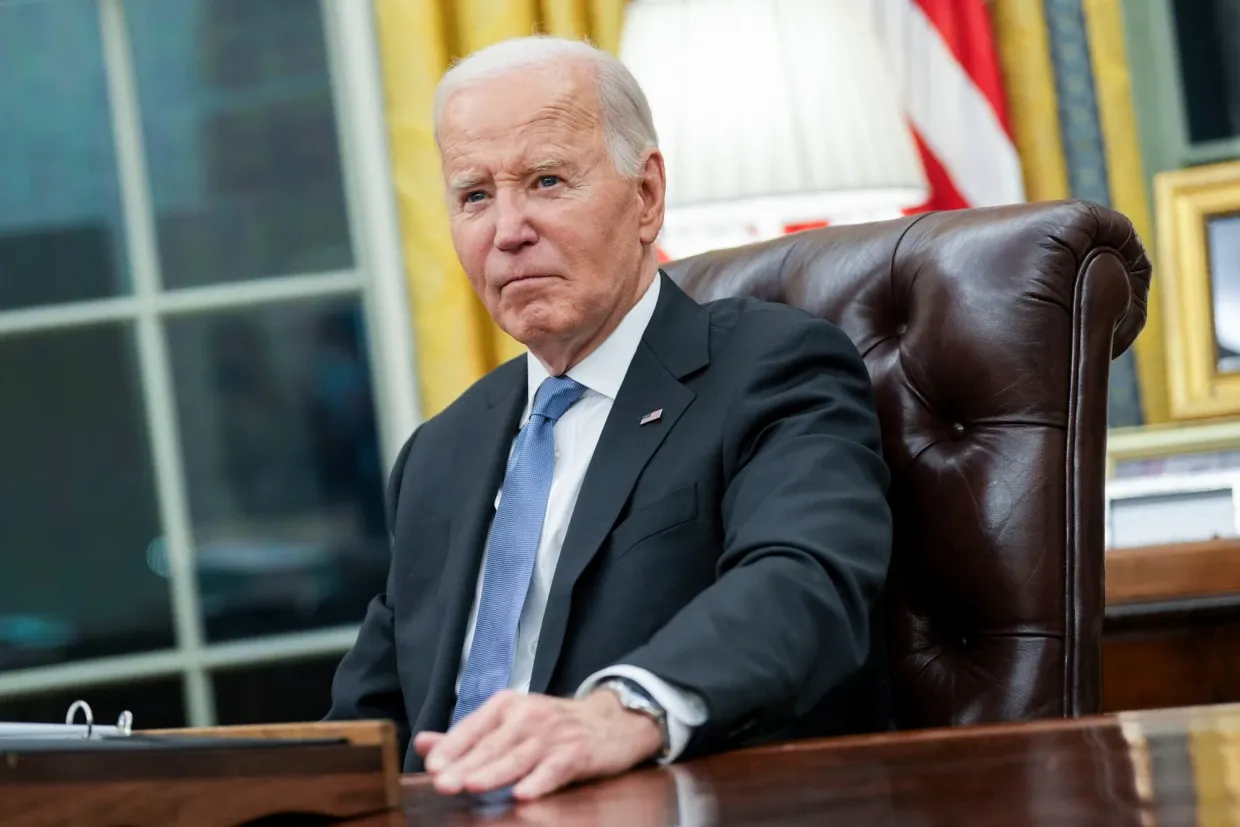
President Biden's foreign policy focuses on diplomacy and multilateral engagement. By delisting Cuba from the State Sponsors of Terrorism list, Biden seeks to revive the rapprochement established during the Obama administration. This move is likely to:
Ease Trade: Sanctions relief may open up economic opportunities for both countries.
Increase Regional Stability: A less isolated Cuba may help foster greater cooperation in the Americas.
Encourage Good Deeds: The prisoner release may spur other reforms.
Background: U.S.-Cuba Relations
U.S.-Cuba relations have been complicated. Some of the key events include:
Cuban Revolution (1959): Fidel Castro's rise to power marked the beginning of several decades of tension.
Bay of Pigs Invasion (1961): A failed U.S.-backed invasion to overthrow Castro heightened tensions.
Cuban Missile Crisis (1962): The Cold War confrontation almost pushed the world into nuclear war.
Obama's Rapprochement (2015): Reopened diplomatic relations and removed some sanctions.
Trump's Policy Reversal (2021): Renewed sanctions and increased tensions.
The Way Forward: Challenges and Opportunities
Even at this step forward, the path ahead will still be littered with problems:
Economic Rebound: Cuba's economy still bears the wounds of decades of sanctions and inefficient domestic management.
Political Reform: Continuous international focus will force Cuba to deliver on human rights and democratic standards.
Bilateral Relations: Trust will require consistent efforts with mutual concessions by both sides.
A historic milestone is reached with the freeing of 553 prisoners in Cuba after the country was removed from the State Sponsors of Terrorism list. It may thus become an element for better relations between Cuba and the United States, future economic growth, political reform, and better diplomatic ties. But the way ahead will indeed demand navigating treacherous politics.
FAQs
Why was Cuba removed from the State Sponsors of Terrorism list?
President Biden's motive is to restore relations and newly acknowledge the steps taken by Cuba to comply with international demands on combating terrorism.
Who are the prisoners being released in Cuba?
Among the 553 prisoners are political dissidents, journalists, and protesters detained during anti-government rallies-an indicator of political liberalization.
What does this mean for U.S.-Cuba trade?
Removal of Cuba from the list of terrorism may allow for easing of sanctions, thereby opening avenues for trade and investment between the two nations.
What is left for Cuba to deal with?
Cuba has to look forward to an economic recovery, political reform, and rebuilding of trust with the international community.
What's next in U.S.-Cuba relations?
Economic cooperation, human rights issues, and regional stability are likely to be at the forefront.