Corruption in Ukraine’s anti-corruption bodies: the fox in charge of the henhouse

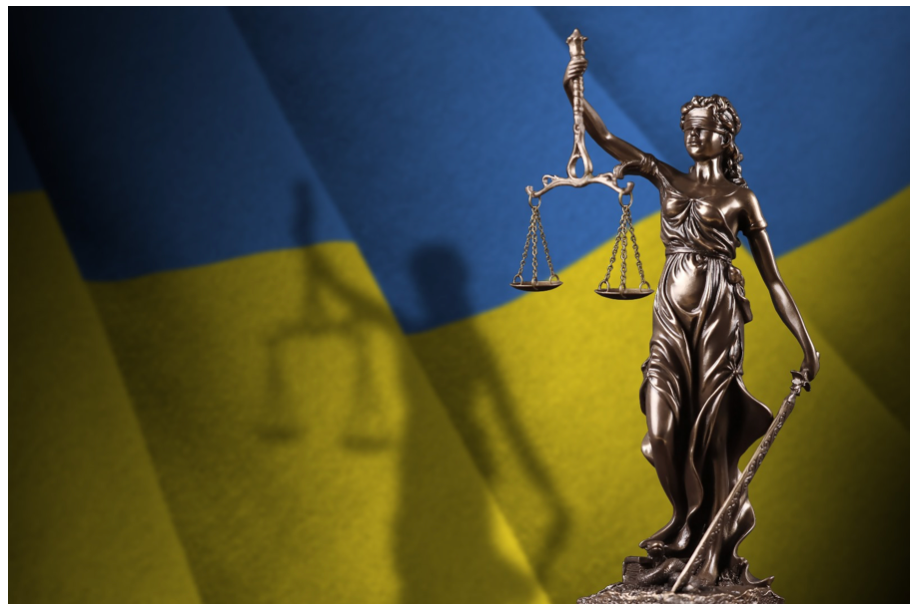
A recent open letter from Ukrainian human rights organisations and activists have accused Ukrainian anti-corruption bodies of ‘Soviet approaches’ and violations of the European Convention of Human Rights (‘ECHR’). So, what should Zelensky do to enact real reforms in a post-war Ukraine?
A group of over thirty Ukrainian NGOs, human rights advocates, activists and lawyers recently came together to sign an open letter that criticised corruption within Ukraine’s anti-corruption bodies and cites systemic problems within the organisations, despite Zelensky’s commitment to fighting graft in Ukraine society. But with discussion increasing about what Ukraine’s post-war landscape will look like, do these anti-corruption bodies need to be rebuilt, as well as Ukraine’s economy and infrastructure?
Between 2014 and 2019, Ukraine saw a spree of different anti-corruption bodies springing up under Petro Poroshenko. Poroshenko had risen to power following the Revolution of Dignitywhere powerful protests pushed for further alignment with the EU and for reforms of Ukrainian institutions considered to be beset by widespread corruption. The organisations created included the National Anti-Corruption Bureau of Ukraine (NABU), the Specialised Anti-Corruption Prosecutor’s Office (SAPO), the National Agency for Prevention of Corruption (NAPC), and the High Anti-Corruption Court of Ukraine (HACC).
Ten years later, nobody can say that Ukraine hasn’t had its fair share of challenges, not least the annexation of Crimea and the full-scale invasion from Russia, but progress on anti-corruption remains limited despite these regulatory bodies.
Instead, in the open letter the human rights activists have accused these anti-corruption organisations of ‘systemic problems, noting that they ‘do not adhere to the rule of law, have inherited Soviet approaches from other law enforcement agencies and imitate the fight against corruption’.
While it’s important not to play into Russia’s messaging and their attempts to justify the horrifying invasion of Ukraine, it is, unfortunately, true that Ukraine continues to struggle with endemic corruption. Ukraine will need to demonstrate progress on this front if it is to join Western blocs such as NATO and the EU, ensuring that these anti-corruption bodies are seen as credible by following internationally recognised standards on fighting graft.
Despite the names of the anti-corruption bodies all making their main focus clear, it appears that the same oligarchy, which had such control of the system previously, has maintained its grasp on Ukrainian’s judiciary and public sector.
The person in charge of law enforcement and the various anti-corruption bodies is deputy head of the Office of the President, Oleg Tatarov, who himself has been accused of corruption, including his role in accepting and facilitating bribes.
Ukraine’s Anti-Corruption Action Centre, an NGO which helped to establish Ukraine’s anti-corruption bodies, reported that NABU and SAPO were investigating Tatarov in 2020 while he was in post as head of the Office of the President. The organisation notes that the case was obscured and the prosecutors were eventually changed to individuals appointed by the Office of the President who subsequently refused to arrest Tatarov and eventually allowed the case to expire without taking action.
Perhaps then, it is unsurprising that change hasn’t been forthcoming, given it is not dissimilar to putting the fox in charge of the henhouse.
The bigger challenge is that corruption within the anti-corruption bodies allows the vested interests to stifle campaigners who are pursuing actual systemic reforms and who are key to removing the power from the hands of the oligarch elite. Individuals like Andrei Pivovarsky, Dmytro Sennychenko and Andriy Kobolyev have all been pursued by NABU whilst trying to enact bold new reforms. These reforms would have had a significant impact on Ukraine’s fight against corruption, but NABU’s political pursuit of these individuals has ultimately led to their reforms stalling and power in Ukraine concentrating in the hands of the few.
Zelensky inherited a system from Poroshenko that wasn’t working, but continuing to use this approach without serious reform is a mistake. Corruption is one of the most pressing issues that the president must address if and when the war finally comes to an end, and it will ultimately determine Ukraine’s ability and capacity to rebuild and prosper.
If Zelensky is to root out the systemic corruption in the public sector, which he knows is rife, he will need to start addressing the corruption within the anti-corruption bodies themselves.
We all want Ukraine to emerge stronger from this war, so it is vital that the reconstruction of Ukraine starts with the systems itself.
Disclaimer and Disclosure: This article is an opinion piece for informational purposes only. United Business Journal and its affiliates do not take responsibility for the views expressed. Readers should conduct independent research to form their own opinions.