Controversy Escalates: Beheaded Image of King Charles Posted After Heckling Incident Involving Australia’s Lidia Thorpe

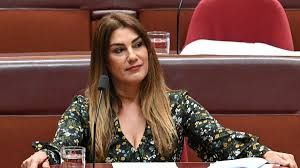
Indigenous Australian Senator Lidia Thorpe has once again sparked global controversy, this time during King Charles III's 16th official visit to Australia. Thorpe's dramatic protest in the Australian parliament, where she accused the monarch of genocide and rejected his sovereignty over Australia, has drawn both support and condemnation. Her vocal opposition to the monarchy and demands for the return of Indigenous lands and a treaty reflect longstanding grievances among First Nations people.
The Heckling Incident
During King Charles' address to the Australian parliament, Thorpe interrupted the proceedings, accusing him of overseeing the genocide of Indigenous Australians. Her words — “You are not our king. You committed genocide against our people” — captured global attention. She also demanded the return of ancestral remains and Indigenous lands.
While King Charles remained composed, quietly speaking to Prime Minister Anthony Albanese, Thorpe was escorted out of the chamber after shouting further obscenities. She later defended her actions, stating that her outburst was a call for "global truth-telling" about the devastation caused by the British monarchy to Indigenous peoples worldwide.
Cartoon Controversy
Following the parliament protest, another controversy erupted when a beheaded cartoon of King Charles was posted on Thorpe's Instagram account. The image, drawn by artist Matt Chun, featured the caption, "You are not our king." Thorpe quickly deleted the post and issued a statement clarifying that the cartoon had been shared by a staff member without her knowledge, emphasizing that she does not condone violence.
Support and Criticism
Thorpe’s actions have divided opinion among Indigenous leaders and activists. Bundjalung author and lawyer Vanessa Turnbull-Roberts praised Thorpe’s bold stance, arguing that nothing is more disrespectful than inviting the monarchy to a land with such a colonial legacy. However, other prominent figures, such as former senator Nova Peris, condemned Thorpe's methods, stating that they did not represent the broader Indigenous community's approach to reconciliation.
Aunty Violet Sheridan, an Aboriginal elder who officially welcomed King Charles and Queen Camilla to Ngunnawal country during the visit, distanced herself from Thorpe’s outburst, stating that Thorpe does not speak for all First Nations people.
Political Fallout
The incident has also ignited a political firestorm, with monarchists and conservative figures denouncing Thorpe’s behavior. Former Prime Minister Tony Abbott labeled her actions as "unfortunate political exhibitionism." Philip Benwell, chairperson of the Australian Monarchist League, suggested legal actions are being explored to remove Thorpe from parliament, criticizing her for failing to uphold the oath of allegiance she made upon entering the Senate.
While Thorpe’s protest has attracted calls for her resignation, she remains resolute in her position, framing her actions as part of a broader fight for justice and recognition of Indigenous sovereignty.
Conclusion
Thorpe's confrontation with King Charles has brought international attention to Australia's ongoing struggles with colonial history and Indigenous rights. Her impassioned demands for land, justice, and a treaty reflect deep-seated frustrations among many First Nations people. However, her methods have divided both Indigenous communities and the wider public, sparking debate over the role of protest and reconciliation in Australia's future.
Read More: World Series 2024: Keys to Victory for the Dodgers and Yankees to Clinch the Title