Companies Sue FTC Over Click-to-Cancel Regulation: A Legal Showdown

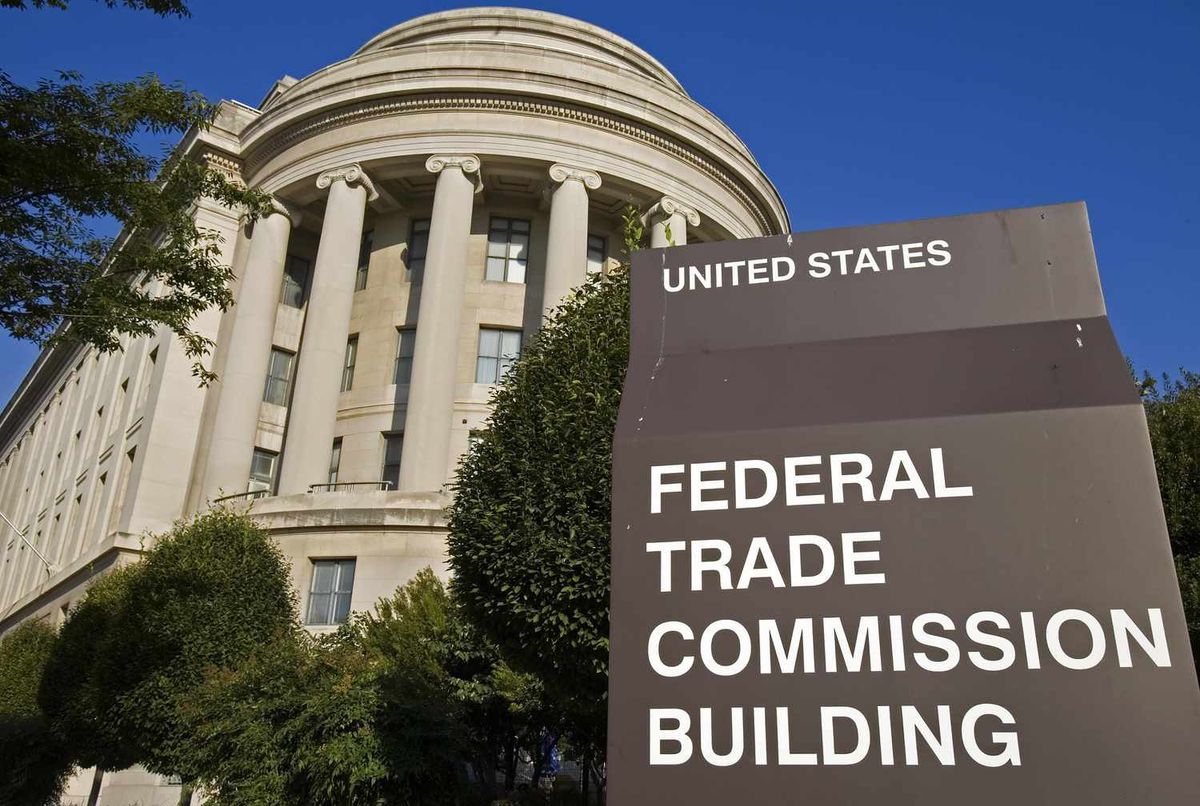
At least companies have filed lawsuits against the Federal Trade Commission regarding its new "click to cancel" regulation that is putting pressure on the balance between consumer protection and business practices. These legal challenges evoke wider debates on consumer rights, corporate practices, and regulatory authority in a digital world.
The "click to cancel" mandate came in the wake of growing concerns over subscription services that make it difficult for consumers to unsubscribe or to cancel their services. Some customers have complained about cumbersome cancellations involving multiple steps or lengthy phone calls, where options may not be easily found within account settings. The FTC eagerly anticipates giving such consumers the power to easily discontinue services they no longer wish to use through measures ensuring marketplace transparency and fairness.
However, the companies suing the FTC argue that the new regulation imposes unwarranted burdens on their business operations. Such a requirement may be said to have increased operational costs as they would have to redesign their user interfaces and introduce new cancellation processes. In fact, they argue that the regulation has undermined their capacity to manage subscription services effectively and hence their revenue models.
Case highlights that this case goes to the very heart of the question whether FTC is empowered to create such rules. Businesses argue that this is overreaching by the commission when it prescribes certain practices for business operations without taking into account the implications that such an activity may have on the market. It would likely establish a significant landmark in how vast or limited the regulatory reach may be in an increasingly evolving subscription economy.
One such industry in which subscription services have transformed the manner of a consumer interaction with product and services forms has been that of streaming services to software applications. With such convenience and flexibility offered by these services, the challenges in consumer awareness and autonomy are there. According to the FTC, such regulation is necessary to challenge them so that consumers may control their subscriptions.
Criticists of the lawsuit argue that the companies would do well to respect the consumer's rights and the transparency, and that the requirement of "click to cancel" constitutes an essential check against such deceptive activities. Public reaction against companies employing "dark patterns," or the practice that nudges people into subscriptions without notice, is gigantic in scale. Consumer advocates urge that making it simple to cancel keeps them in line with much wider ethical standards and gives consumers a reason to believe businesses.
The court's interpretation of the authority of the FTC and the validity of the claims by the companies, therefore, has far-reaching implications that could play out not only in subscription-based businesses but across different sectors for consumer rights.