Comedy Community Speaks Out: Is It Finally Time to Call Out Tony Hinchcliffe?

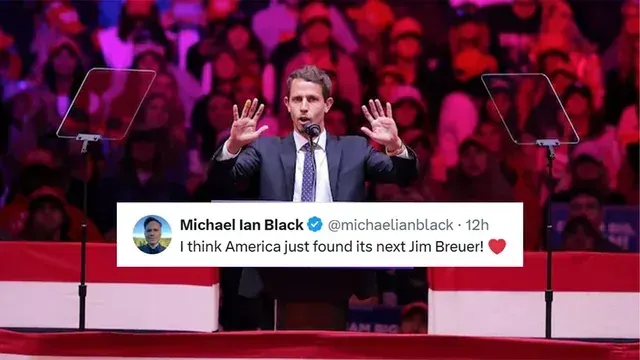
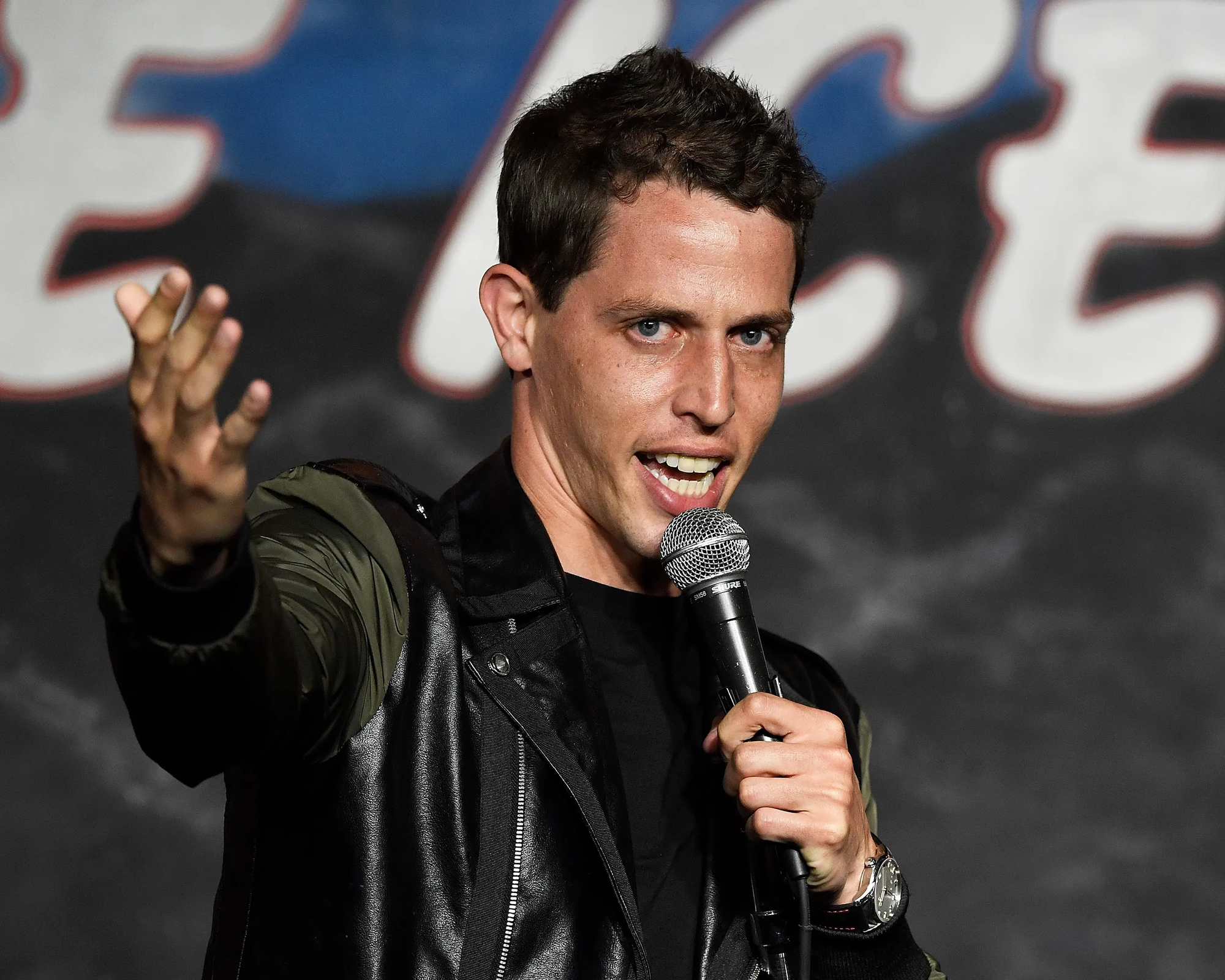
Tony Hinchcliffe, a controversial comedian known for his sharp, often provocative humor, is no stranger to polarizing the comedy world. Recently, however, more comedians have begun to publicly express their frustrations with Hinchcliffe, sparking conversations around the impact of his style and the ethics of comedy. With his reputation for edgy material and his willingness to offend, Hinchcliffe has consistently walked the line between free expression and outright offense. Now, more voices within the industry are asking: is this line too thin to walk?
The Rise of Tony Hinchcliffe
Hinchcliffe rose to prominence through his “roast” style of comedy, making his name as a bold, no-holds-barred comedian who didn’t shy away from controversial material. Known for his work on The Comedy Central Roast series and his live podcast Kill Tony, Hinchcliffe cultivated a dedicated fan base that appreciated his fearless, often confrontational style. This roast format gave Hinchcliffe license to say things others might not, winning him fans who craved comedy that crossed boundaries.
However, his humor hasn’t always landed well with everyone. Some argue that his style, which sometimes targets sensitive topics, lacks nuance and leans too far into insult territory. Comedians and fans alike have noted instances where Hinchcliffe’s humor appeared to cross into outright disrespect, particularly when his jokes are aimed at marginalized communities. Over the years, this pattern has raised eyebrows, with other comedians privately discussing their discomfort with his approach.
A Comedy Community Divided
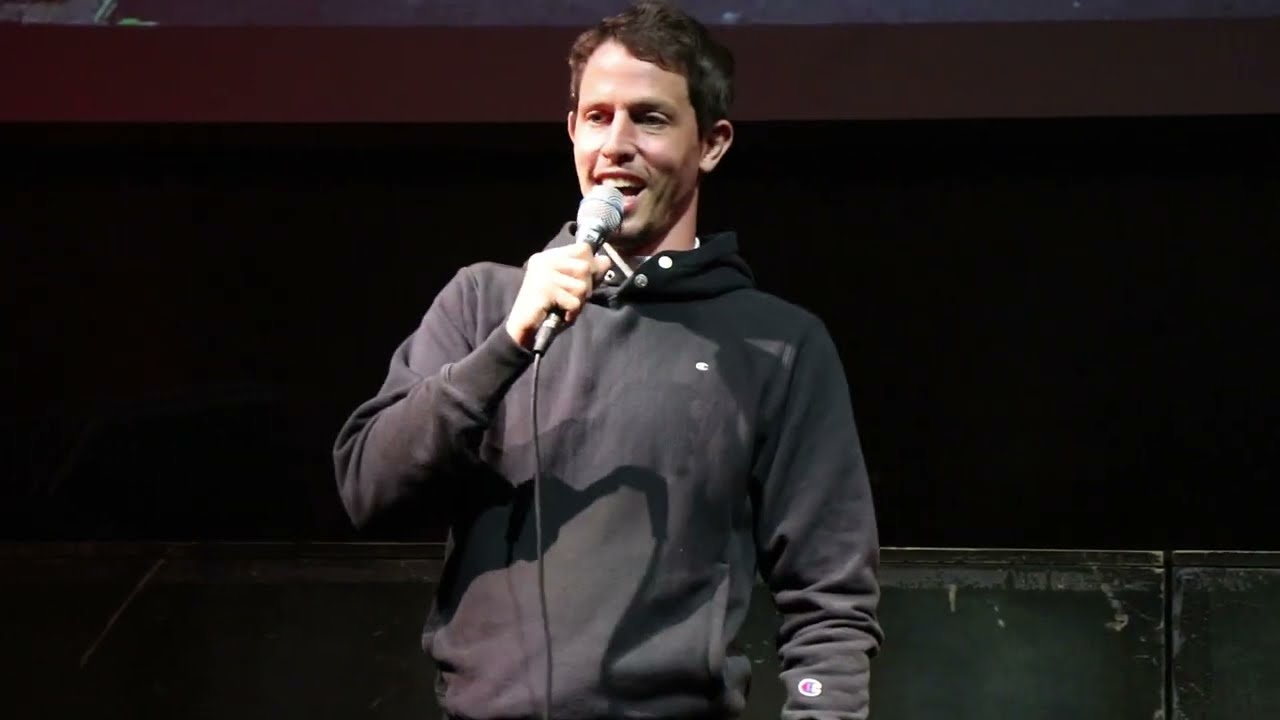
Recently, a wave of comedians has spoken out against Hinchcliffe’s style, reflecting the frustrations simmering within the industry. Many of his peers argue that his comedy often toes the line between edgy and offensive, relying on shock value rather than clever punchlines. In particular, a recent controversy where he directed racially insensitive jokes toward another comedian reignited this debate, prompting comedians and fans alike to reassess the boundaries in comedy.
Some comedians have pointed out that while there is a place for edgy humor, it should also be grounded in wit, not merely offensive statements. One comic noted, “Good comedy challenges people, yes, but it should also be thoughtful. There’s a difference between making people think and simply aiming to hurt.” This sentiment has struck a chord with comedians who believe that humor should be a tool to shed light on issues, not add to them.
A Call for Accountability
In an age where cancel culture and social responsibility are often at odds, Hinchcliffe’s defenders argue that comedy is one of the last places for free speech, where pushing boundaries should be protected. However, those critical of his style counter that accountability is key to the industry’s growth and inclusivity.
The ongoing debate raises larger questions: where should comedy draw the line, and who gets to decide what’s funny? Hinchcliffe himself has stood by his comedic style, emphasizing that comedians should be allowed to take risks. Nevertheless, his recent critics insist that there’s a difference between risking offense and perpetuating harmful stereotypes.
The Future of Edgy Comedy
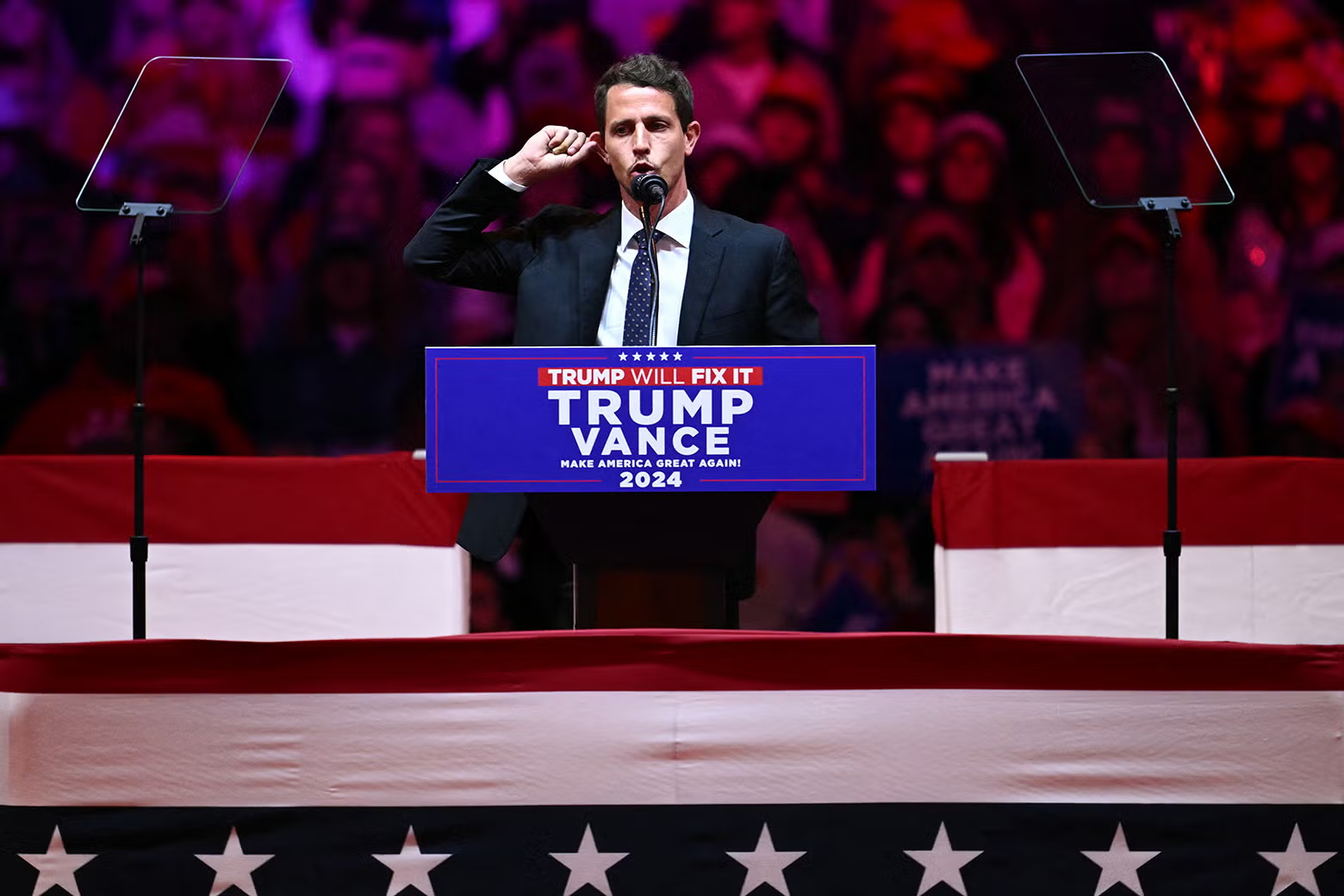
As the comedy world grapples with these questions, Tony Hinchcliffe’s place in the industry serves as a flashpoint for discussions about humor’s role in society. Will comedy continue to embrace risk-takers like Hinchcliffe, or will it favor more thoughtful approaches that balance humor with sensitivity? Only time will tell. What’s clear is that Hinchcliffe’s comedy has sparked a necessary conversation within the industry, challenging comedians to consider not only how far they can go but also why they’re going there.