Chipmakers Leaving China, Head to Vietnam as US-China Tensions Heat Up
Chip manufacturers are shifting away from China to Vietnam as US-China tensions escalate; they want a stable business climate and ride the wave of Vietnam's fast-expanding semiconductor sector.

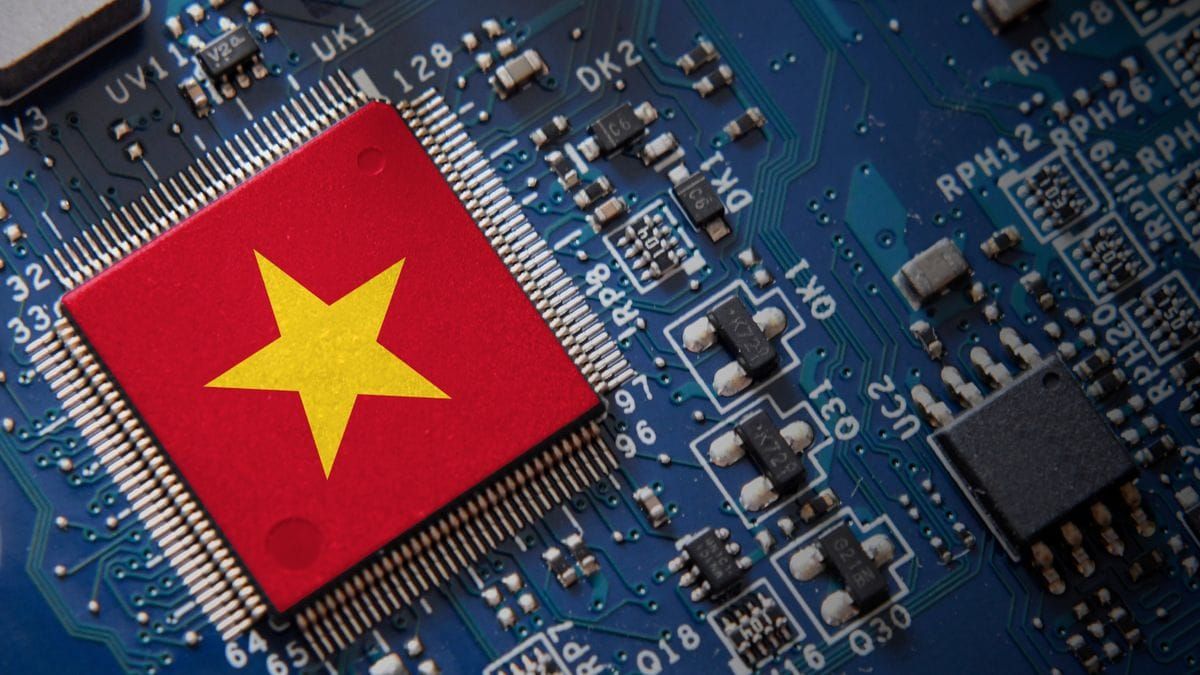
Ongoing US-China tensions are dramatically changing the world of Asia's semiconductors as Vietnam emerges as a new production hub for chips. Local and foreign semiconductor companies are pulling their business out of China and putting it in Vietnam, including major companies from Taiwan and South Korea. The motivation for this play is multifaceted: from the new geopolitical rivalry between the U.S. and China to Vietnam's strategic investment in its own semiconductor industry and the attraction of companies clamoring for lower production costs and political stability.
However, one of the big reasons to leave China is increasing regulatory and fiscal pressure on foreign firms operating there. Advanced technologies that originally were targeted for China are actually now subject to strict export controls by the U.S., thus making it difficult for high-tech companies to continue their production in that country. Furthermore, the tariffs and trade restrictions imposed by the U.S. on Chinese products have only made manufacturing in China less economically attractive to most foreign firms, especially those reliant on the American markets and supplies. As such, the likes of Intel and Samsung, among others in Taiwan and South Korea, are seeking Vietnam as a safer alternative for semiconductor manufacturing.
Vietnam has made full use of this opportunity by investing a great deal in semiconductor infrastructure. Favorable policies and financial incentives targeted at such high-tech investments, especially chip-making investments, have driven this growth in recent years for the Vietnamese government. Further, Vietnam enjoys a ready, skilled workforce and relatively lower labor costs which drive the interest of various companies who seek both operational efficiency as well as economic savings. This is further driven by factors that led to increasing interest on the part of companies eager to reduce their reliance on China without sacrificing access to Asia's enormous consumer market.
It shall prove a giant boon to Vietnam's economy. Thousands of jobs will be created; also, it may soon spur the growth of myriad related sectors in manufacturing and logistics, like a host of silicon valley elements, thanks to the spate of Foreign Direct Investments pouring into the semiconductor sector. In this way, it might also advance Vietnam to a higher rank in global tech endeavours, making it a new important actor in the supply chain for semiconductors.
Yet, there are still many challenges ahead. The semiconductor industry in Vietnam remains developing at large and, at the moment, its technological capabilities are much lower than that of Taiwan and South Korea. Heavy investment, training funds, and infrastructures to be spent in attempting to catch up with demanding forces producing high chips. Moreover, raw materials and equipment imported overseas also pose a significant challenge; it will always pose risks when these outside supplies have their chain disrupted.
Despite all this, the increased involvement of Vietnam in the semiconductor sector reflects a wider trend: diversification in the global tech landscape. Relocation to Vietnam not only reduces the risk of geopolitical risks for manufacturers but also supports the ambitious vision of Vietnam as a high-tech manufacturing hub in the region. It will continue to shift as long as the US-China tensions remain, reinforcing the strategic importance of Southeast Asia for the future of the global semiconductor industry.