Chinese Banks Again Block Payments to Russia Following Tougher U.S. Sanctions
Chinese banks are once again blocking payments to Russia following tougher U.S. sanctions. The restrictions, which now affect Gazprombank and intermediary companies, have caused significant disruptions in cross-border transactions, particularly in yuan.

The financial landscape between Russia and China is facing new turbulence as Chinese banks have resumed blocking payments to Russian entities. This follows an intensified crackdown by the United States on financial institutions and intermediaries that facilitate transactions in violation of international sanctions. The latest measures, which escalated at the end of 2024 and into 2025, have left Russian exporters grappling with significant payment hurdles, especially in yuan transactions.
Escalation of U.S. Sanctions and Its Impact
At the end of 2024, the U.S. Treasury Department tightened financial sanctions, targeting Gazprombank, one of Russia’s largest financial institutions still able to process international payments. As 2025 unfolded, the restrictions extended to dozens of intermediary firms that were allegedly facilitating trade between Russia and its partners by bypassing existing sanctions.
Two senior executives from major Russian raw materials exporters have reported a substantial increase in difficulties processing cross-border transactions. Payments in yuan, a critical currency for Russia’s trade with China, have been particularly affected. Chinese credit institutions are increasingly wary of repercussions from the U.S. and have begun demanding extensive due diligence before processing any transactions linked to Russia.
China’s Cautious Approach
Chinese banks, including major state-owned financial institutions, have adopted a cautious stance in light of the aggressive U.S. sanctions. Sources familiar with the matter indicate that Chinese regulators are advising banks to thoroughly scrutinize transactions that could potentially violate Western sanctions.
The former administration of Joe Biden had already tightened restrictions on 50 Russian banks, making it increasingly difficult for Russian businesses to engage in international trade. Now, additional measures are causing delays and disruptions for companies that had previously relied on China as a stable trade partner.
Companies and Banks Affected
The U.S. Treasury Department has expanded its sanctions list to include approximately 100 companies worldwide, including multiple Chinese firms suspected of facilitating trade with Russia. This expansion has placed additional pressure on Chinese banks to comply with international financial norms and avoid potential penalties from Western regulators.
In addition to major Russian banks, Kyrgyzstan’s OJSC Keremet Bank has also faced consequences. According to U.S. authorities, the bank was involved in foreign currency transactions with Promsvyazbank PJSC, a Russian state-owned bank that plays a vital role in the country’s defense industry. This action signals Washington’s intent to close any remaining loopholes in the sanctions regime.
Impact on Russian Exports
The tightening of sanctions has already had a visible impact on Russia’s export-driven economy. In the last quarter of 2024, Russia’s export earnings dropped to $99.6 billion, marking a 7% decline from the previous year’s fourth quarter. The situation worsened in December, with export revenue plummeting by 19% year-on-year to $31.3 billion. As a result, Russia’s trade surplus shrank to $5.6 billion, the lowest level recorded since 2020.
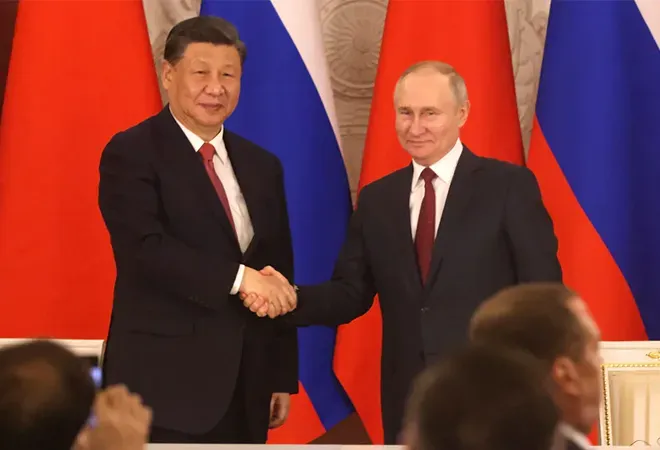
For Russia, China has been an essential partner in trade and finance since the imposition of Western sanctions in 2022. However, as Chinese banks exercise greater caution, the country faces increasing challenges in maintaining economic stability. The reliance on yuan transactions as a workaround for Western restrictions is now under significant strain, forcing Russian businesses to seek alternative financial channels.
The Future of Russia-China Financial Relations
The growing reluctance of Chinese financial institutions to engage with Russian banks could reshape the financial dynamics between the two countries. While political ties remain strong, economic considerations and the fear of U.S. secondary sanctions may drive Chinese banks to further limit their exposure to Russia.
Chinese firms that continue to do business with Russia are likely to adopt stricter compliance measures to mitigate risks. This could mean increased transaction verification times, enhanced due diligence requirements, and even potential restrictions on certain high-risk sectors such as energy and defense.
Potential Alternatives for Russia
Given the tightening restrictions, Russia may explore several strategies to bypass the latest financial barriers:
Strengthening Trade with Non-Western Countries: Russia is likely to deepen financial ties with countries in the Global South, particularly those that are not closely aligned with the U.S.
Expanding Domestic Financial Infrastructure: Russia has already developed its own financial messaging system (SPFS) to reduce reliance on SWIFT. Further expansion of this system could help facilitate transactions with willing partners.
Utilizing Cryptocurrency and Digital Currencies: The potential use of digital currencies, including the digital ruble and digital yuan, could provide alternative means for cross-border payments.
Exploring New Banking Channels: Russia may look to smaller, regional banks that are not as heavily scrutinized by U.S. regulators to facilitate trade.
The latest U.S. sanctions have disrupted financial transactions between Russia and China, adding further strain to an already challenging economic situation. With Chinese banks becoming increasingly cautious, Russia must find alternative strategies to maintain its trade flows. As the geopolitical landscape continues to shift, the long-term financial relationship between Russia and China remains uncertain. However, one thing is clear—global sanctions enforcement is tightening, and Russia’s economic maneuverability is becoming increasingly constrained.
Frequently Asked Questions (FAQs)
Why are Chinese banks blocking payments to Russia?
Chinese banks are blocking payments due to heightened U.S. sanctions that target financial institutions facilitating transactions with Russia. These banks fear potential secondary sanctions from the U.S. and are increasing due diligence on Russian transactions.
Which Russian banks have been affected by the latest U.S. sanctions?
The latest sanctions have impacted major Russian banks such as Gazprombank and Promsvyazbank PJSC, among others. Additionally, intermediary companies that were facilitating transactions for Russian businesses have also been sanctioned.
How have the sanctions affected Russia’s economy?
The tightening of sanctions has led to a drop in Russian exports, with revenues falling by 7% in the last quarter of 2024 and by 19% in December alone. The country’s trade surplus has also shrunk to its lowest level since 2020.
What alternatives does Russia have for conducting international transactions?
Russia is exploring alternative financial strategies, including expanding trade with non-Western countries, utilizing digital currencies, strengthening its domestic financial infrastructure, and working with regional banks that are less impacted by U.S. regulations.
Will China continue to support Russia despite the sanctions?
While China remains a strategic ally of Russia, its financial institutions are increasingly cautious due to the risk of secondary sanctions. The future of financial cooperation will depend on evolving geopolitical and economic conditions.