China's Retaliatory Tariffs on Crude Likely to Push U.S. Exports Lower in 2025
China's new 10% tariff on U.S. crude may push U.S. oil exports lower in 2025, after growth stalled in 2024. Medium-sour crude may stay in U.S. refineries, impacting global trade flows.

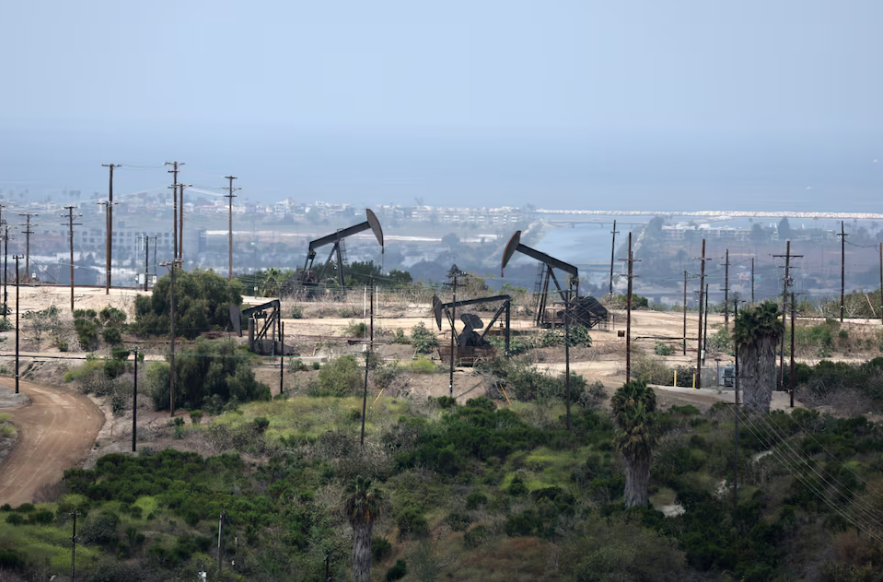
China recently imposed a 10% tariff on U.S. crude oil imports in retaliation to the U.S. trade levies, which is likely to affect American oil exports significantly. This will be the first time since the COVID-19 pandemic that U.S. crude exports decline. In 2024, they have experienced a stagnant growth rate. China alone accounts for almost 5% of U.S. crude exports in 2024. Thus, the implications of these tariffs are likely to reshape global oil trade patterns.
Background: U.S. Crude Export Growth and Its Global Influence
Since the easing of a 40-year ban on U.S. crude oil exports in 2015, exports from the country have risen to third place worldwide, behind Saudi Arabia and Russia. The ability of the United States to keep feeding supplies into global markets has acted to balance OPEC production cuts and their allies'. But the recent slowing of export growth—up only 0.6% in 2024—indicates building headwinds, particularly geopolitical tensions and shifting trade alliances.
Consequences of China's Tariffs for U.S. Crude Export
Medium-Sour Crude to Remain in U.S. Refineries
About 48% of the U.S. crude sold to China are medium-sour grades, such as Mars and Southern Green Canyon.
These are ideal for the U.S. refineries, especially along the Gulf Coast.
If U.S. tariffs stretch to Canada and Mexico, the trade will become even more constricted, forcing domestic refineries to take those barrels instead of exporting them.
Possible Diversion of Light, Sweet Crude
About 44% of U.S. exports to China are light, sweet crude varieties, including West Texas Intermediate (WTI).
These grades remain attractive to European and Indian refiners, indicating that trade routes may shift rather than overall demand declining.
Enbridge's Ingleside facility in Texas and the Louisiana Offshore Oil Port (LOOP) were major export points for China-bound crude in 2024, accounting for significant portions of shipments.
Market Reaction and Industry Response
Analysts project that US crude exports would drop to 3.6 million barrels a day in 2025, should the tariffs remain in place.
The light sweet crude market remains liquid and versatile, possibly offsetting some of the adverse effects of the tariffs on a number of US oil producers.
Occidental Petroleum is one of the largest vendors of WTI Midland crude to China, which may find other markets to send its oil.
China's Oil Import Strategy and Diversification
The U.S. accounted for just 1.7% of all the crude imported by China in 2024, at a value of about $6 billion.
Canada has upped imports by around 30% because of the increase in the Trans Mountain pipeline, so Beijing isn't as dependent on U.S. crude anymore.
Being able to buy cheap Russian and Iranian crude cuts China's appetite for American oil further.
Consequences for the World Oil Market
U.S. Refining Sector Gains: With medium-sour crude likely to stay in the domestic market, U.S. refiners may benefit from increased availability and stable pricing.
Potential Shifts in Trade Alliances: European and Indian refiners may become bigger buyers of U.S. crude, partially offsetting the decline in Chinese demand.
Ongoing Geopolitical Tensions: U.S.-China trade relations will remain a critical factor in determining the future trajectory of crude exports.
Frequently Asked Questions (FAQs)
How important are China's crude oil tariffs to U.S. exports?
China accounted for nearly 5% of U.S. crude exports in 2024. The volume is not dominant, but the tariffs add another hurdle for U.S. exporters and could accelerate a shift in trade routes.
Will the U.S. find alternative buyers for its crude oil?
Yes. European and Indian refiners are likely to increase purchases of U.S. light, sweet crude, while domestic refineries could absorb more medium-sour grades.
How will the tariffs affect U.S. shale oil production?
U.S. producers have already been cautious about ramping up shale output due to global demand uncertainties. The tariffs may reinforce this cautious stance, leading to lower export growth in 2025.
What is the role of subsidized Russian and Iranian oil in that shift?
Chinese imports of discount Russian and Iranian oil have continued to increase even as China imported less U.S. crude; this would temper the effect on China of higher U.S. oil tariffs
Could the new tariffs be rescinded?
The trade negotiations between the U.S. and China might result in tariff changes, but in the current geopolitical scenario, there is no sign of reversal.
China's retaliatory tariffs on U.S. crude oil imports are expected to cause a decline in American oil exports in 2025, marking the first such drop since the pandemic. Although China accounts for a relatively small share of U.S. exports, the move reflects shifting trade dynamics and the growing influence of alternative crude suppliers. The U.S. refining sector may benefit from an increased supply of medium-sour crude, while exporters will look to Europe and India to compensate for lost Chinese demand. Moving forward, geopolitical developments and trade policies are going to influence the future course of global oil markets.