Canadian Consumers Call for Boycott of American-Made Food in Light of Tariff Threat
Donald Trump’s threat of tariffs against Canadian goods has sparked a growing movement among Canadian consumers to boycott American-made food products. Shoppers in Ottawa are leading the charge, scrutinizing their purchases and prioritizing homegrown brands.

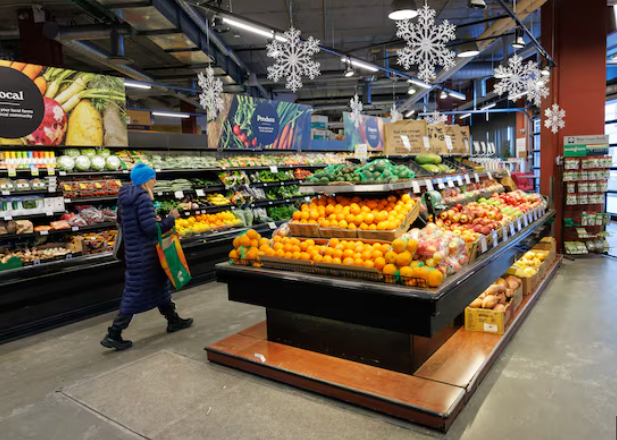
Trade disputes between the U.S. and Canada have reached the supermarket shelf, as shoppers in Ottawa and beyond bemoan Canadian consumers' reaction to tariff threats from Donald Trump. Many are now opting to buy less American. The movement has spread on social media, where lists of some U.S.-made grocery items have been widely shared, encouraging Canadians to opt for local instead.
The Movement Grows
Peggy Chambers of Ottawa is one of many Canadians making a concerted effort to buy homegrown products. "I approached it cautiously because I am very aware of what's happening politically," she said while grocery shopping in Ottawa's east end. Chambers believes that now more than ever, supporting Canadian-made goods is essential.
The list currently spreading through social networks identifies various over-the-counter household grocery products – from soft drinks to condiments and snack foods such as potato chips – by name.
Again, who developed the list no one seems able to determine
However, there is clearly no shortage of patriotic Canadians wishing to express displeasure with US policies through shopping purchases.
The Trade Threat
Trump has even warned of having to impose the same 25% tariff that will disrupt trade with Canada while attempting to return balance to these economic relationships in this country, perhaps as soon as February 1. Now fears are intensifying about impact on Canadian enterprises and consumers.
For consumers such as Chambers, it's more than a political statement to boycott foods made in the States. It's about economic hardiness. "The way you look at things; if it's made in Canada, as long as it's not made in the States, you think you're safe," she said.
The Nuances of "Buying Canadian
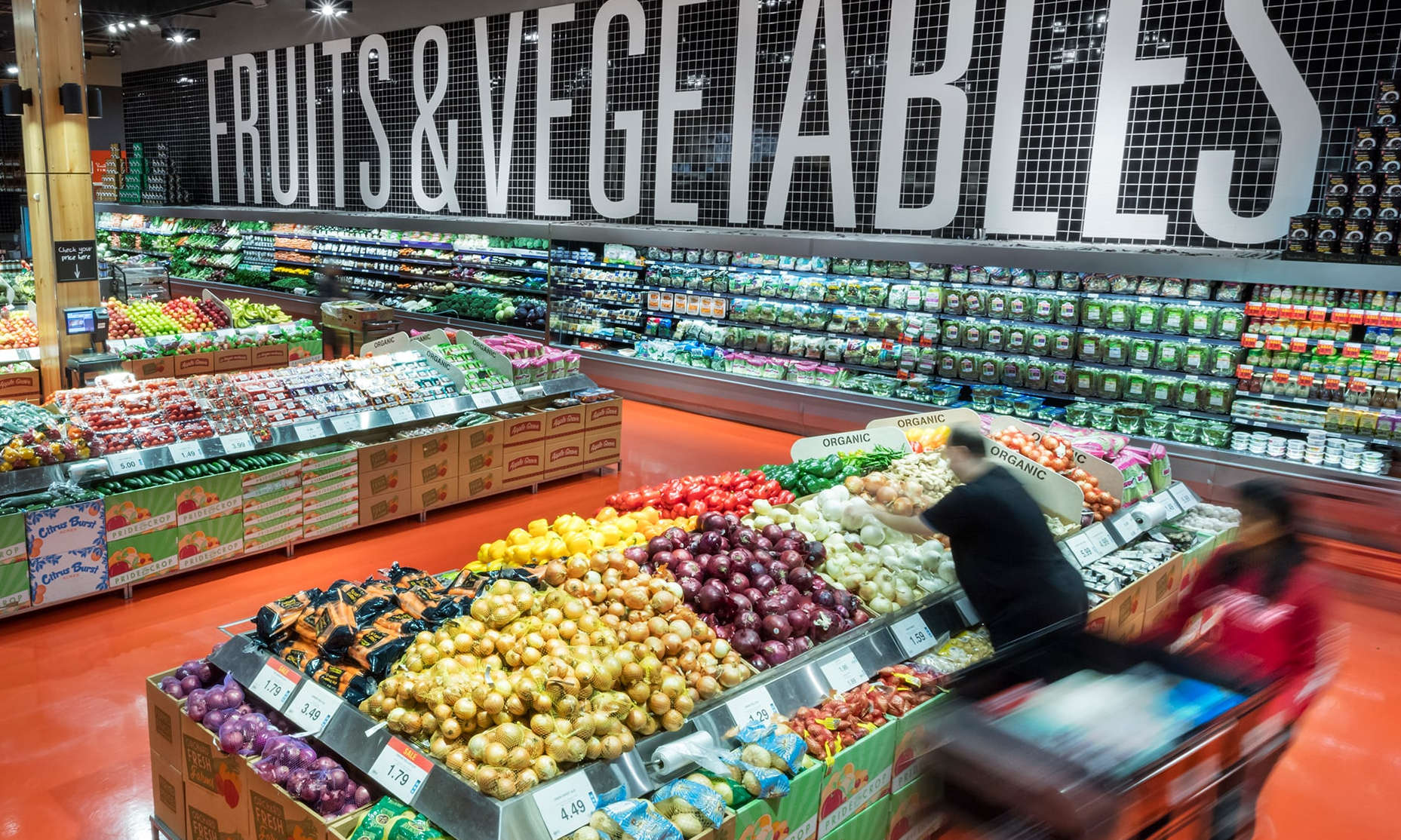
This said, buying pure Canadian products isn't as cut and dry. Sylvain Charlebois, a professor at Dalhousie University and director of the Agri-Food Analytics Lab, stated that the supply chain is well connected.
"It really depends on how you actually see this," Charlebois told CTV News Ottawa. "If you see the brand itself as your main point to make a decision, you may be deciding that you're boycotting Canadian farmers, Canadian distributors, and Canadian processors."
Lots of American brands buy their ingredients from Canadian farms and distribute them through Canadian companies. A boycott, therefore, may end up hurting local businesses reliant on deals with American businesses.
Labeling and Consumer Awareness
There are some products, like dairy, meat, and seasonal produce, that will be more likely to be labeled with their country of origin. This will provide consumers with clearer information to help them make choices.
According to Charlebois, however, the awareness of where the food comes from is a positive development, despite the complexities. "A boycott like this is actually an interesting phenomenon because it gets people to start thinking about where the products are coming from," he said. "So that's a gain in itself in my view."
Impact on Canadian Farmers and Businesses
The boycott will benefit and challenge Canadian farmers and food producers. The increased demand for local products could help Canadian agriculture, but the businesses that are tied to American suppliers may experience disruptions.
Consumers should do their research on brands and support businesses that promote Canadian-grown ingredients, according to experts navigating these changes.
The Consumer Perspective
Despite the challenges, many Canadians feel that it's worth making the effort to choose Made in Canada. Chambers, like many others, agrees that although it may not be possible to eliminate all American made products from her shopping list, small changes help contribute to a broader movement.
As Canadians you feel helpless in what you do, but you try your best, Chambers said.
Whether the campaign will have enduring effects is impossible to predict; however, there is already substantial discussion on trading, economic policy, and what consumers want from their shopping choice. If or when tariffs arise, the motivation to buy Canadian may become significantly stronger, causing a shift that could last decades.
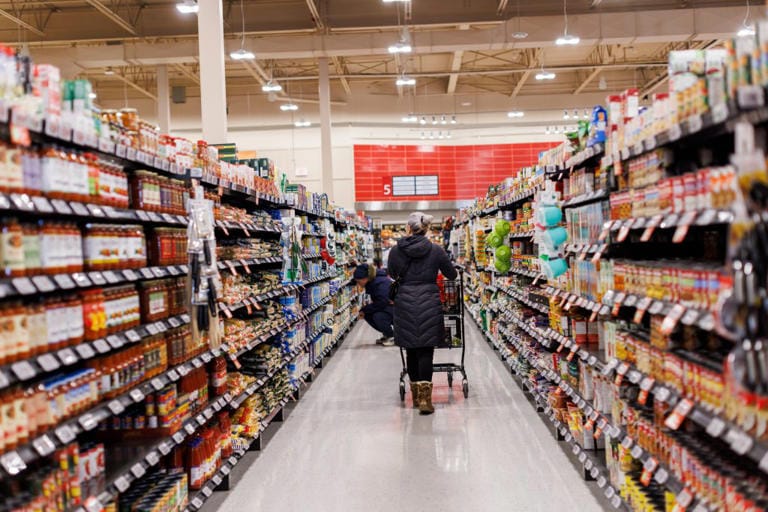
For the time being, the message Canadian consumers are putting forward is simply this: it's homegrown for groceries.
FAQs
Why are Canadian consumers boycotting American-made food?
The Canadian consumers boycott American-made food due to the threats of a 25% tariff on their goods by Donald Trump. For them, the boycott is the way to protest such trade policies and support the local businesses.
How are shoppers identifying American products?
A circulated shopping list across social media specifies various American-produced grocery items-soda, ketchup, snack foods, to name a few. Consumers also look for labeling with country of origin.
Is it easy to only buy Canadian produced food?
It's not straightforward. Many of the American-based brands use products sourced from the Canadian market while also relying on Canadian farmers and distributors. More obvious products made in Canada, for example are dairy and fresh seasonal produce.
What impact does this boycott have on Canadian farmers and businesses?
The boycott may increase demand for Canadian-made products, thereby helping local farmers. However, businesses that have relationships with American suppliers could suffer if consumer purchasing habits shift drastically.
Does this boycott impact long-term shopping habits?
Yes, an increased awareness about origin might actually change them; more Canadians may choose local brands even after the current trade tensions have abated.