Canada Threatens ‘Single Largest Trade Blow’ to U.S. if Trump Follows Through on Tariffs
Canada is prepared to take the "single largest trade blow" against the U.S. if Donald Trump imposes tariffs on Canadian imports. Minister Anita Anand warns of severe retaliatory measures to protect industries.

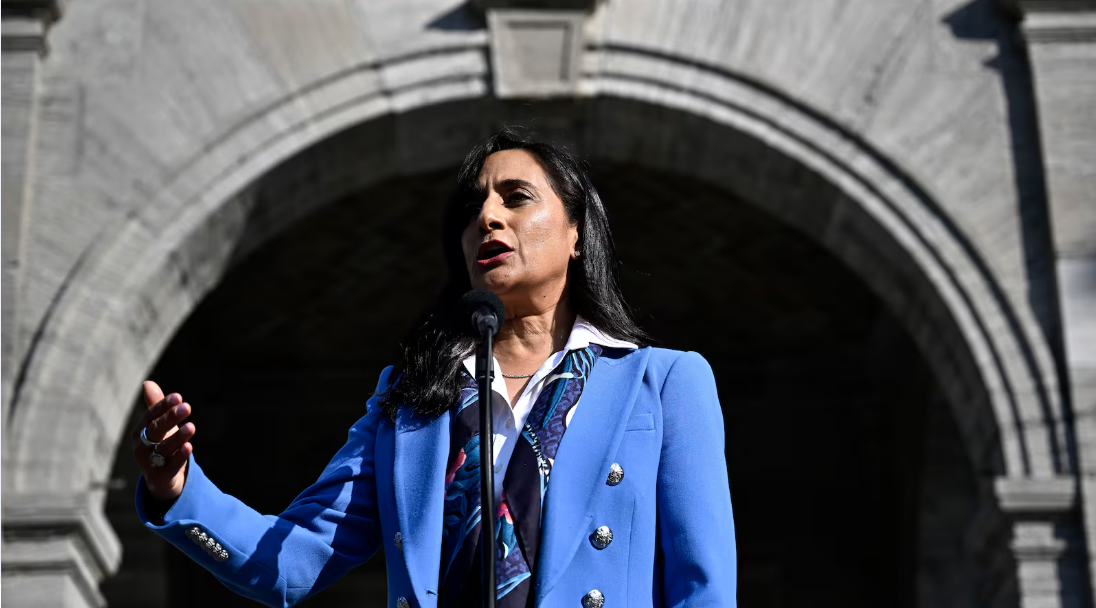
The Canadian government has issued a strong warning to the United States, signaling its readiness to impose retaliatory measures if President-elect Donald Trump follows through on his pledge to levy a 25% tariff on all Canadian imports. Transport and Internal Trade Minister Anita Anand made it clear that Canada will not hesitate to protect its industries and workers. Actually, with the two economies deeply intertwined, such a step could lead to one of the most significant trade conflicts in North American history.
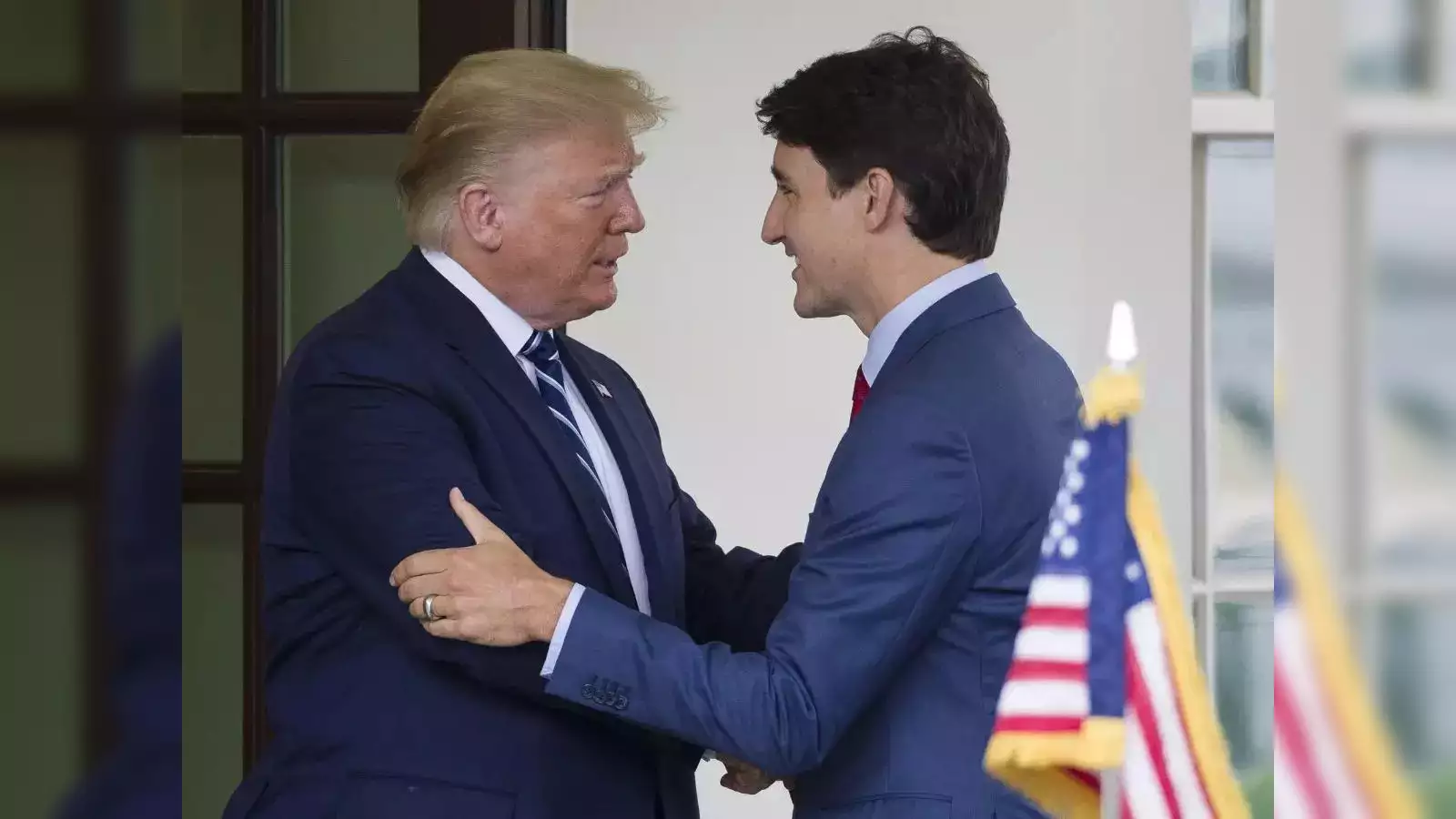
Trump's Tariff Plan and Canada's Response
Trump, to be sworn in on Monday, has promised to issue a slew of executive orders, among them a blanket tariff on Canadian imports. The tariffs were originally billed as a means to control illegal immigration and drug smuggling at the border, but now they are being touted as an economic protectionism measure.
In response, Anand underlined that Canada's measures are prepared and will be balanced. "Retaliatory measures are ready, and we will use all tools in our toolbox to make sure that we're protecting Canadian workers and Canadian industry," she said in an interview with CTV's Question Period.
The Trudeau government has developed a three-stage response plan, which could include counter-tariffs targeting key American industries. Anand said that while Canada does not want to escalate, it is ready to "mirror" any U.S. actions in kind.
Economic Implications of a Canada-U.S. Trade War
With an annual trade relationship valued at around $1.3 trillion, Canada is the largest export market for 36 U.S. states. Economists warn that a 25% tariff could trigger widespread economic disruption, including job losses and supply chain disruptions in both countries.
Foreign Affairs Minister Melanie Joly echoed these concerns, warning, "The Americans would be starting a trade war against us, and this would be the biggest trade war between Canada and the U.S. in decades." She also noted that Canadian retaliation could introduce a "Trump tariff tax," significantly impacting American businesses and consumers.
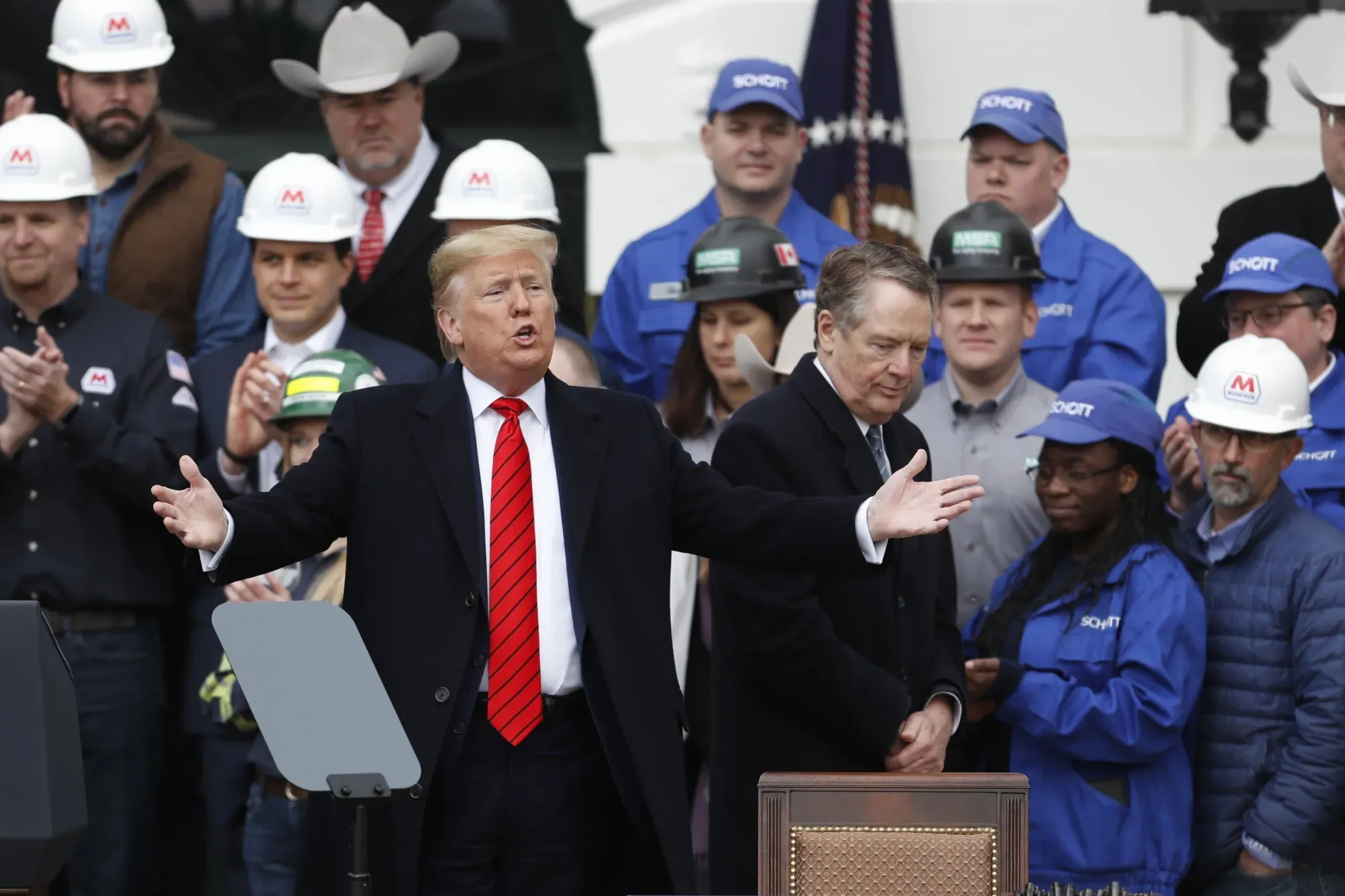
Alberta’s Energy Sector and the Federal Divide
One of the most contentious issues in Canada's response strategy relates to what countermeasures Alberta might take, or what position Premier Danielle Smith might end up in. The premier has been critical of her government and previous federal governments for using energy exports as leverage and refusing to allow Alberta to export at whatever price the government could get on the markets.
But Anand insisted that all sectors must be considered. "We know that the United States and its citizens are heavily dependent on various aspects of Canadian manufactured and raw-material goods, including energy," she said. "So we need to take that comprehensive look at all sectors, and we need the provinces and the premiers to be united in this fight."
U.S. Understanding of Trade Relations with Canada
Despite continued diplomatic efforts, Anand noted that American officials lack a "comprehensive understanding" of how interconnected the two economies are. This has been a major challenge in conveying the potential consequences of the tariffs.
"Ministers have been in Washington, D.C., they've been speaking with various elected officials there, and what we see is that there isn't a comprehensive understanding of the impact that these counter-tariffs would have," she stated.
To counteract the potential harm, the Canadian government has unveiled a "Team Canada" strategy, reconvened a cabinet committee on Canada-U.S. relations, and established a new 18-member council focused on deepening bilateral ties.
The looming trade conflict between Canada and the United States can make North American economic relations look like a square peg in a round hole. As Canada remains strong on diplomacy, it also gears itself up to fulfill the mandate of representing its economic interests. As both countries are highly dependent on one another, the outcome of this standoff will have far-reaching implications for businesses, workers, and consumers on both sides of the border.
Frequently Asked Questions (FAQs)
What is the tariff that Trump wants to impose on imports from Canada?
President-elect Donald Trump has proposed a 25% tariff on all Canadian imports, first citing border security concerns but later framing it as an economic protectionist measure.
How does Canada intend to retaliate against U.S. tariffs?
Canada has prepared a three-phase counter-tariff strategy targeting key American industries. The measures will be proportional, aiming to "mirror" U.S. actions rather than escalate the trade conflict.
What would be the effects of a trade war on Canada and the U.S.?
A trade war will have significant economic effects on both countries: job losses, supply chain disruption, and increased prices for business and consumers in both countries. Canada is the largest export market for 36 U.S. states; hence, the stakes are quite high.
Why does Alberta oppose the use of energy exports as leverage?
Alberta Premier Danielle Smith argues that the province should not be disproportionately impacted by federal countermeasures, especially given previous restrictions on its ability to diversify energy markets. However, the federal government maintains that all sectors must be considered in retaliation strategies.
What is Canada doing to avoid a trade war?
Canada has undertaken diplomatic efforts with what is known as a "Team Canada" approach, engaged directly with U.S. officials for negotiations, and established a special council on the relationship between the two countries; however, she remains ready with retaliatory tariffs.