Bitcoin Briefly Hits $100,000 Mark as Cooling U.S. Inflation Boosts Market Optimism
Briefly breaching $100,000, Bitcoin rode optimism fueled by cooling U.S. inflation as investors bet the currency would outperform other asset classes. Cryptocurrency market was booming, said analysts, driven by Federal Reserve policy shifts and growing institutional interest.


Bitcoin reached a historic milestone on Wednesday, briefly surpassing the $100,000 mark. This surge came as new data indicated cooling U.S. inflation, fueling market optimism and increasing investor confidence in risk-sensitive assets. The rally highlights Bitcoin's evolving role in financial markets, reflecting broader macroeconomic trends and institutional adoption.
Inflation Data and Federal Reserve Policy
The latest CPI report showed core inflation slowed to 3.2% year-over-year from 3.3% in November. Headline inflation held steady at 2.9%, marking the first core CPI decline since July. These numbers have fueled perceptions that Federal Reserve policy is likely to change course, forcing many traders to forecast an interest rate reduction in 2025. Positive speculation from analysts that Fed policies are expected to become more dovish may further push Bitcoin and risk assets.
Bitcoin Performance in the Markets
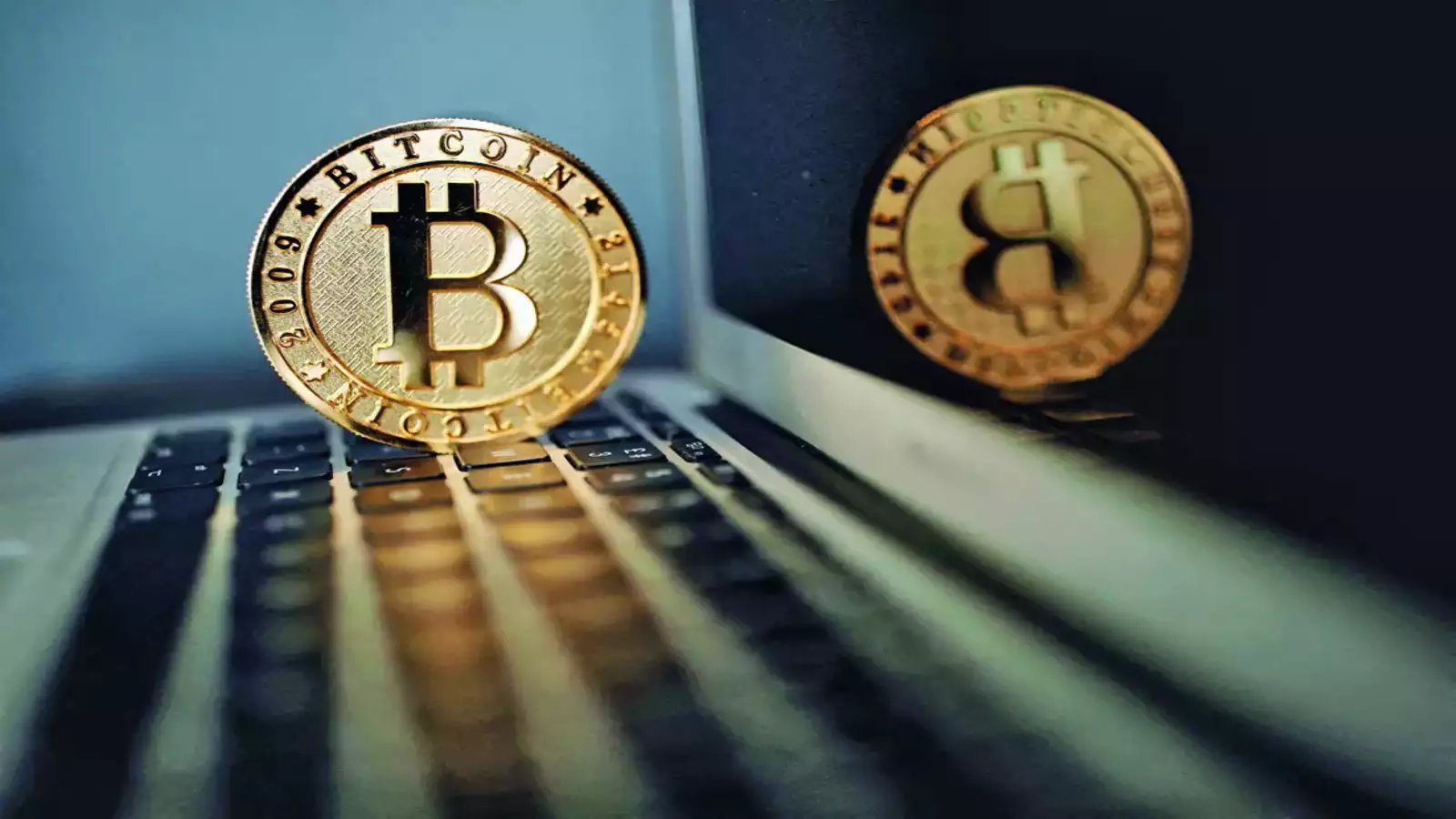
The price of Bitcoin reached $100,715 but closed at $99,493 by the end of the trading day. It has risen by 7% over the past two days, which further strengthened investor confidence. Ether and Solana also gained significantly in terms of price. Ether went above $3,400, and Solana crossed $200. According to analysts, the CPI report and changing macroeconomic conditions are the reasons behind the bullish momentum in the market.
Institutional Interest and Market Sentiment
It was observed that the price movement of Bitcoin has gained momentum with more and more participation from institutional investors. Hedge funds, corporations, and traditional financial institutions have more and more adopted Bitcoin in their portfolios as an inflation hedge against economic uncertainty. Mainstream acceptance through the emergence of Bitcoin ETFs and increasing clarity of regulations are seen to make the asset more accessible for long-term investment.
Bitcoin and Traditional Markets Correlation
Bitcoin has been positively correlated with traditional financial markets, especially the Nasdaq 100. Analysts indicate that Bitcoin price movements are more closely aligned with macroeconomic trends. Jag Kooner, Head of Derivatives at Bitfinex, said Bitcoin's correlation with the Nasdaq 100 reached a two-year high, reflecting its growing integration into global financial markets.
Technical Factors Driving the Rally
Beyond macroeconomic factors, technical factors were critical in the surge of Bitcoin in recent times. The funding rate for Bitcoin futures skyrocketed and short liquidations surged. Coinglass statistics showed that short liquidations amounted to $169 million out of $263 million in liquidated positions, while Bitcoin liquidation stood at over $63 million. These short liquidations boosted Bitcoin's price appreciation.
Wider Cryptocurrency Market Effect
Bitcoin's rally also affected the broader cryptocurrency market. CoinDesk 20 rose by 7%, with crypto-related equities like Coinbase and MicroStrategy up 7% and 5%, respectively. The gains have spilled into altcoins as well, and many of these have seen two-digit percentage jumps. This bodes well in terms of connectivity within the digital currency space, as well as its interconnectedness with respect to Bitcoin and other digital assets.
Risks and Challenges that May Arise
Despite the bullish momentum of Bitcoin, there are still risks. Regulatory uncertainty, geopolitical tensions, and macroeconomic shifts may impact future price movements. Market volatility is also a concern, as Bitcoin has shown fluctuations even during periods of sustained growth. Investors should be cautious and consider long-term strategies to navigate potential market downturns.
The brief break above $100,000 represents a milestone in the cryptocurrency's evolution. Rising cooling inflation and shifting expectations regarding Federal Reserve policy have contributed to this rally. Risks still exist, but Bitcoin's increasingly important role in global financial markets suggests it will continue to attract investment and influence broader economic trends.
Frequently Asked Questions (FAQs)
Why did Bitcoin's price break above $100,000?
Bitcoin's price shot past $100,000 on cooling U.S. inflation, rising market optimism, expectations of Federal Reserve interest rate cuts, and increasing institutional investment.
How does inflation affect the price of Bitcoin?
Inflation affects the price of Bitcoin by affecting Federal Reserve policy. When inflation cools, the chances of lower interest rates rise, making risk assets like Bitcoin more appealing to investors.
What is the role of institutional investors in Bitcoin's price movements?
Institutional investors, including hedge funds and corporations, enhance the stability of Bitcoin's price and long-run growth since they integrate it into their portfolios and increase liquidity in the market.
What are some of the risks that an investor should consider before buying Bitcoin?
Regulatory uncertainty; market volatility; geopolitical events; macroeconomic shifts which may determine the Bitcoin price and market stability.
How does Bitcoin correlated with the traditional financial markets?
Bitcoin’s correlation with traditional financial markets, particularly the Nasdaq 100, has increased, reflecting its growing integration into mainstream finance and its sensitivity to macroeconomic trends.