Bitcoin Boosts Tesla Profits by Almost $600 Million After Accounting Rule Change
Tesla's profits surged 34%, driven by nearly $600 million in Bitcoin gains following an accounting rule change. The company marked its Bitcoin holdings to market, boosting net income to $2.3 billion.


Profits for the most recent quarter skyrocketed to 34% at Tesla and were largely surprisingly due to one thing: Bitcoin. Indeed, the earnings report at Tesla credited a huge swath of its almost $600 million in paper gains to the ascent of Bitcoin. This is the second boost in Tesla's profits following a recent change in accounting rules, which has dramatically shifted how the electric vehicle (EV) company reports its cryptocurrency investments. In this article, we will delve into the details of this accounting change, how Bitcoin impacted Tesla's profits, and what it means for the company moving forward.
The Accounting Change that Revolutionized Tesla's Bitcoin Profits
Tesla’s decision to invest in Bitcoin has been widely reported in recent years, but the latest earnings report introduced an unexpected twist. Thanks to a change in accounting regulations, Tesla was able to recognize a significant gain from its cryptocurrency holdings, impacting its financial results positively. The Financial Accounting Standards Board (FASB) recently altered its policy to allow companies to mark their digital assets, such as Bitcoin, to market each quarter. Prior to this, companies were required to report the lowest value that their digital assets had ever reached, even if the asset had appreciated in value since then.
This essentially means that companies like Tesla are allowed to reflect the current market value of their digital assets, rather than being held to old and low valuations. As a result of the accounting rules change, Tesla could now mark its Bitcoin holdings at current market value. It had gone up significantly over the past months. This provided a significant bump in Tesla's bottom line in the quarter.
Recently, Tesla reported that it had reaped $589 million in paper gains on Bitcoin, which saw its overall net income for the quarter rise to $2.3 billion. Without these paper gains, the profits of Tesla would have been much lower. The paper gains were due to the increase in the value of Bitcoin, as its market price rose sharply during the last months.
At the end of September, Tesla reported that its Bitcoin holdings had appreciated to a value of $729 million. This was up by nearly $350 million compared to the preceding quarter. Initially, the company had bought Bitcoin worth $1.5 billion in January 2021, when the cryptocurrency was trading in the range of $30,000 to $40,000. Since then, Bitcoin had seen significant price fluctuations, but by the time the company booked its paper gains, Bitcoin's value had increased to about $105,000.
This marked increase in the value of Tesla's Bitcoin stash had an immediate effect on the company's profits. According to Tesla's finance chief, Vaibhav Taneja, speaking on the company's earnings call, the new accounting rule gave the company a "mark-to-market benefit" from Bitcoin, adding nearly $600 million to the bottom line. Taneja then went ahead to confirm that Tesla's Bitcoin reserves were now valued at $1.076 billion, a tremendous jump from the $184 million the company had recorded just a few quarters prior.
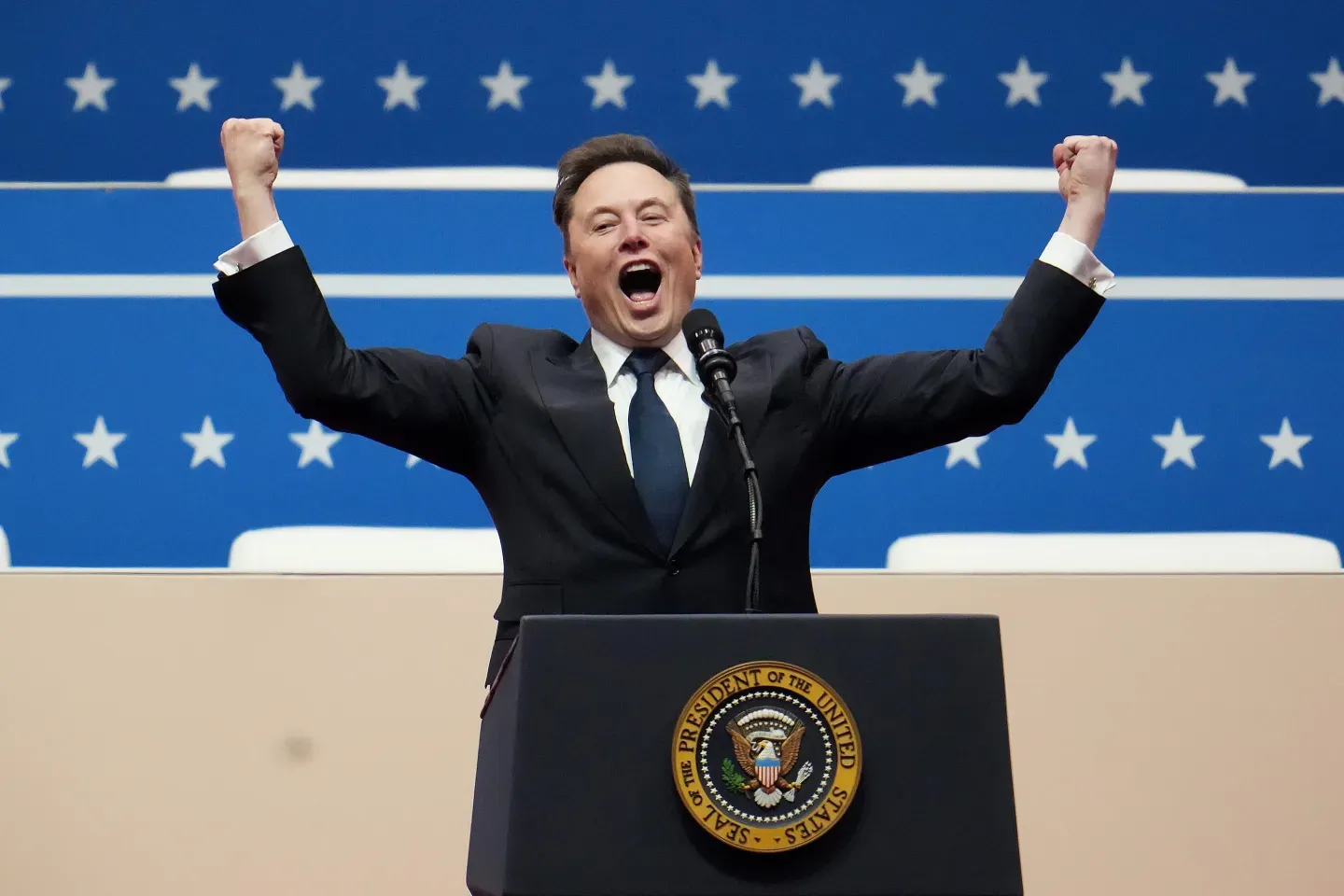
Tesla's Bitcoin Journey: From Investment to Profit
The investment of Tesla in Bitcoin during 2021 made many people raise an eyebrow in the investment world. At the time, Bitcoin was experiencing a period of rapid price appreciation, and many saw Tesla's decision as a bold move to diversify its investments. Tesla had updated its investment policy to give itself more flexibility in managing its excess cash and maximizing returns. With Bitcoin trading in the $30,000 to $40,000 range, Tesla saw an opportunity to benefit from the cryptocurrency's upward trajectory.
However, not long after investing, Bitcoin's price skyrocketed, and the digital asset market became quite uncertain. In June 2022, Tesla announced that it had sold approximately 75% of its Bitcoin holdings, citing concerns over market fluctuations and the need for liquidity during uncertain times. This was a strategic decision, in the sense that Tesla would take profits from its investment in Bitcoin made at the onset and minimize its exposure to this volatile cryptocurrency market.
Despite selling most of its Bitcoin, the remaining Bitcoins were an important asset. Tesla has managed to benefit from the resurgence of the cryptocurrency in the market due to its ability to leverage the new accounting rules in reporting the increased value of its remaining Bitcoin.
Bitcoin's Resurgence: How Crypto Is Making a Comeback
Recent months have seen the resurgence of Bitcoin, and this has significantly contributed to the profitability of Tesla. As cryptocurrency continues to advance, many companies and investors are repositioning themselves on the use of digital assets. The value of Bitcoin has steadily risen, and market appeal has increased with more companies embracing blockchain technology and digital currencies.
Some of the factors driving the resurgence of Bitcoin are rising interest and investment in the space of cryptocurrencies. For instance, the company itself has contributed a lot to raising the attention level regarding Bitcoin. In addition to Tesla, however, other drivers also fueled the rise of the market for the digital asset as a whole. This is partly due to growing government and financial institutions' interests and traditional companies looking into blockchain technology, the backbone of the digital currencies.
More importantly, former President Donald Trump's embracing of the cryptocurrency space and his launching of the $Trump token have led to renewed interest in crypto markets. Trump's entry into the cryptocurrency and financial technology sectors brought even more attention to the industry. This wave of interest and adoption has helped fuel the amazing rise in the value of Bitcoin, which continues to benefit companies like Tesla, which have made significant investments in digital assets.
Future of Bitcoin and Tesla's Investment Strategy
While Tesla has sold part of its Bitcoin, the company has still maintained a high position in the world of digital assets. In this regard, the accounting rule change hasn't weakened Tesla's ability to capture gains from volatility in Bitcoin. Instead, the future of Bitcoin will remain integrated into the investment strategy.
Tesla’s CEO, Elon Musk, has long been a vocal supporter of cryptocurrency and has expressed interest in the potential of Bitcoin and other digital assets. It’s possible that the company will continue to hold onto its Bitcoin stash, given the asset’s strong performance in recent months and the changing accounting rules that allow for the recognition of unrealized gains.
Notwithstanding this, Bitcoin is still a highly volatile and speculative investment, and how Tesla manages its exposure to the digital asset will be crucial to its future financial health. That such gains have indeed been eye-popping lately, the company will need to balance its involvement in the cryptocurrency market with its main business of electric vehicles and renewable energy solutions.

Frequently Asked Questions (FAQs)
How much did Tesla make from its Bitcoin?
In the most recent quarter, Tesla reported $589 million in paper gains from its Bitcoin holdings. This was one of the factors that contributed to the company's overall net income of $2.3 billion, which reflected a 34% increase in profits.
Why did Tesla's profits surge by $600 million?
It is because the company had an accounting rule changed that allowed a mark-to-market benefit from its Bitcoin holdings following a change in accounting rules; Tesla could then report its holdings at their then-current market values, which rose significantly.
What was Tesla's investment strategy in Bitcoin?
Tesla invested $1.5 billion in Bitcoin in January 2021. The company sold 75% of its holdings by mid-2022 but retained a significant portion of Bitcoin as part of its investment strategy. The company has availed new accounting rules to report gains from its remaining Bitcoin holdings.
What was the new accounting rule that helped Tesla?
The Financial Accounting Standards Board adopted a new accounting rule that lets companies mark digital assets, like Bitcoin, at their current market value each quarter. This means companies can reflect the current market value of their digital assets rather than reporting them at the lowest value since acquisition.
What's the future of Tesla's Bitcoin investments?
Although Tesla has sold some of its Bitcoin holdings in the past, the company's remaining Bitcoin stash remains a valuable asset. Tesla's investment in Bitcoin will likely be driven by market conditions and the potential for future price appreciation. However, the company must balance its involvement with Bitcoin and other digital assets with its core business of electric vehicles and energy solutions.