Bill Polian Addresses Allegations Over Bill Belichick’s Hall of Fame Snub

Amid one of the most unexpected moments in recent NFL history, former general manager Bill Polian has pushed back against claims that he influenced the Pro Football Hall of Fame voting committee to keep legendary coach Bill Belichick from earning first-ballot Hall of Fame induction in 2026. The controversy surfaced this week after multiple outlets reported that Belichick did not receive the required 40 out of 50 votes in his first year of eligibility, surprising fans and analysts across the league.
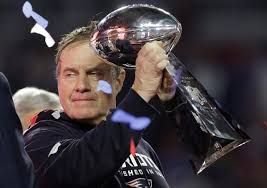
Belichick, 73, boasts one of the most decorated coaching resumes in NFL history, including six Super Bowl titles as the head coach of the New England Patriots and two additional rings as a defensive coordinator with the New York Giants. Many expected him to be a first-ballot Hall of Famer, a status typically reserved for figures widely seen as all-time greats. Despite that consensus, Belichick fell short of the necessary votes this year — a result that has sparked intense debate about the selection process.
Reports and Backlash Over Polian’s Alleged Role
Initial reporting from ESPN and other outlets included anonymous sources suggesting that Polian — a Hall of Fame voter and longtime rival of Belichick dating back to their NFL battles when Polian ran the Indianapolis Colts — may have urged other voters to make Belichick “wait a year” before induction. Those sources tied the suggestion to lingering resentment over past controversies in Belichick’s career, such as the 2007 Spygate and the 2015 Deflategate incidents involving the Patriots.
Fans, players and commentators quickly seized on the claim, with some publicly blaming Polian for Belichick’s snub and calling for greater transparency in Hall of Fame voting. Critics argued that if one influential committee member steered other voters to withhold support for a coach of Belichick’s stature, it would undermine confidence in the Hall of Fame selection process.
Polian’s Denials and Conflicting Statements
Polian has responded directly to the speculation. In an interview with Sports Illustrated, he categorically denied any role in influencing votes against Belichick, saying, “That’s totally and categorically untrue. I voted for him.” Later, during a separate exchange with ESPN reporters, Polian appeared less definitive, acknowledging that he could not recall with 100 percent certainty whom he voted for, though he said he was “95 percent sure” he supported Belichick. He was clear, however, that he voted for Patriots owner Robert Kraft, who was a finalist in the Hall’s contributor category.
Polian also denied that he personally told other voters Belichick should undergo a delay in induction as a form of punishment for historic Patriots scandals — a claim that had been reported in early accounts of the voting discussions.
What the Snub Suggests About Hall of Fame Voting
The situation has prompted widespread public outcry and debate about how the Hall of Fame voting process works, including the anonymity of votes and the influence of off-field judgments on enshrinement decisions. A Hall voting committee is composed of a mix of media members and current Hall of Famers, making decisions that have traditionally been private. The requirement that a nominee receive at least 80 percent support — or 40 out of 50 votes — means that even a handful of dissenting ballots can prevent induction.
Belichick’s case highlights how non-performance factors, like association with controversial episodes or lingering rivalries, can intersect with legacy decisions — at least in perception. Whether Polian, or any other participant, had definitive influence remains unverified; Polian’s denial leaves unanswered questions about who exactly cast the 11 or more votes against Belichick.
Broader Reaction and Next Steps
Reaction across the NFL world has been swift and emotional. Players, coaches and fans have voiced their disbelief that Belichick, who ranks among the all-time career leaders in wins and championship success, would not be elected as a first-ballot inductee. Some commentators have said the episode reflects more on the Hall of Fame voting mechanics than on Belichick’s legacy.
Belichick remains eligible for Hall of Fame consideration in future years, and many analysts expect him to be inducted in a later class once the initial controversy subsides. Whether this year’s result will prompt changes to how votes are cast or disclosed — a topic raised by some critics — is uncertain. For now, the focus remains on the ongoing discourse around fairness, legacy and transparency in the league’s highest honors.