Biden plans to use billions in seized Russian assets to fund Ukraine aid

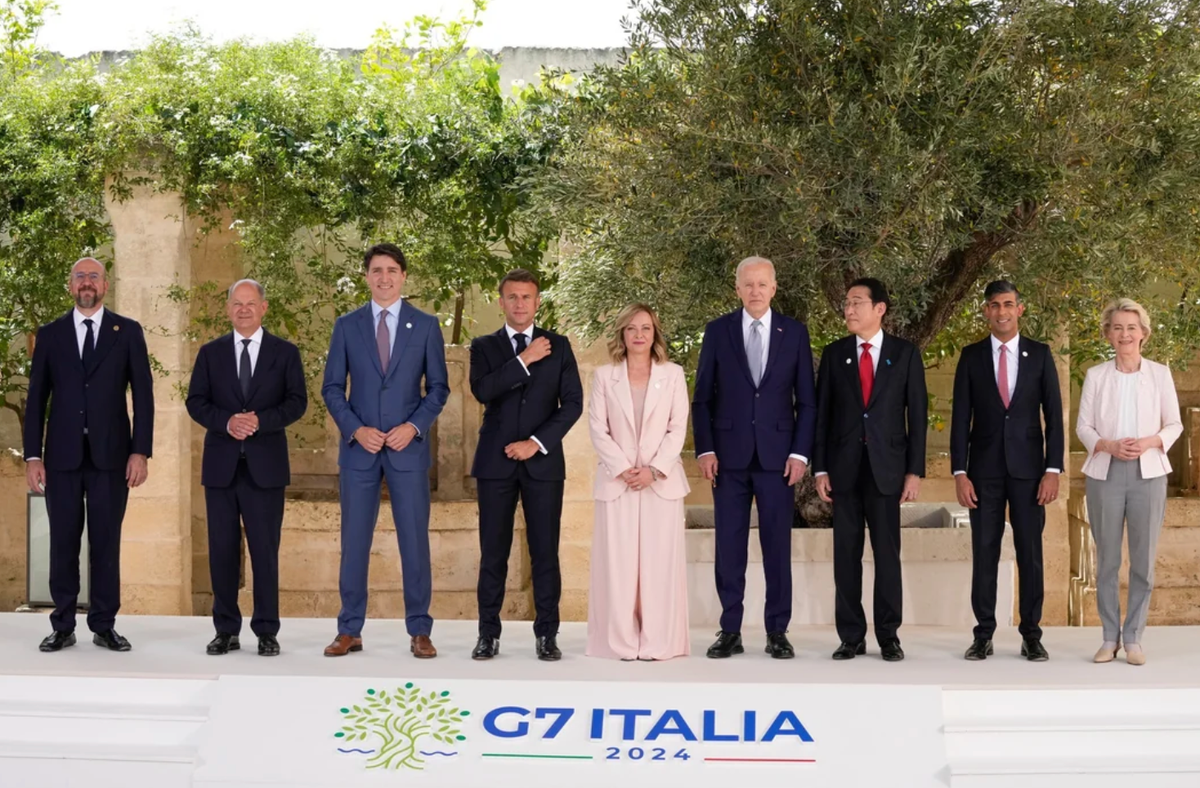
The U.S. president has announced that he would use billions of dollars in seized Russian assets to back the support for Ukraine during the conflict with Russia. This policy is not only an important statement of U.S. commitment to supporting Ukraine in dire times but also sets a pattern of holding Russia accountable for aggressive actions. This proposition might turn out to be a landmark in international relations and the continuing humanitarian crisis in Ukraine, at a time when the situation is unfolding.
The Background of Confiscated Assets
As one article reported, "since February 2022, when the Ukraine conflict began," western countries - the United States in particular - have imposed a spree of sanctions on Russia. These sanctions have led to the freezing of billions of dollars from Russian state funds maintained in foreign banks. Seized assets might amount to tens of billions of dollars and encompass significant financial assets, which can be rechanneled into helping Ukraine.
The Biden administration, in proffering a plan to utilize the funds for relief, is not only looking towards a situation where there will be an immediate humanitarian response amongst the people in Ukraine but is also sending a strong message to Russia. It would prove that aggressive military behavior was met with consequence and encourage others to believe that there are international norms that must be protected.
A Multifaceted Aid Approach
The aid proposed by Biden covers the spectrum of aid systems for military, humanitarian, and even economic recovery. Military aid is still of paramount importance since Ukraine will remain on the defensive against intrusions by the forces of Russia. This includes supplying more sophisticated arms, training, and any other schemes of logistics to strengthen its defense mechanisms.
Another reason is that, being a humanitarian cause, the war has forcibly dislodged or otherwise affected millions of Ukrainians. Money allocated here could go into food, medicines, and shelter for the surviving citizens. Recovery efforts also aim to stabilize the devastated economy of Ukraine. Some investment in infrastructure, creating jobs, and business support can bring some relief to this nearly destroyed land and lay down its foundations for success in the long run.
Legal and Logistical Challenges
Even though the idea of using seized Russian assets is ambitious, it will not be without challenge. Legally there will be puzzling issues associated with seizure and redistribution of these assets. The Biden administration is probably to get knotted in a web of international laws and regulations regarding whether the funds can be legally taken for such intent.
Identification, valuation, and subsequent utilization of these assets would be a coordinative effort involving the Department of Justice, the Department of State, among others. Scrutiny in Congress, as well as in the public eye, would be in order as to how these monies would be allocated and accounted for so that transparency and accountability are maintained.
International Reactions
The international reaction to the proposal is mixed. The European allies, who have been as committed as the United States in helping Ukraine, welcome this as a step in the right direction, consistent with all the other actions that each of them is taking to bring about economic consequences upon Russia. The European Union, too, has studied similar other proposals and was actively exploring means by which it can unfreeze Russian assets for reconstruction and humanitarian efforts in Ukraine.
Others, however, counter that attention should be wholly focused on diplomatic solutions rather than penalty financial measures. Used assets accelerate incidents and defeat the very intent behind potential negotiations for peace. Achieving this balance between much-needed support and the desire for a peaceful resolution will remain one of the crucial challenges before the Biden administration.
The Bigger Picture
This pushes forward more than just immediate aid to Ukraine. It represents a deeper shift in how the world reacts to violations of international law and aggression. The precedent set by the utilization of frozen assets to fund assistance could mean a new norm for international relations on the accountability of aggressive nations for their action.
This project would also affect later conflicts and the international policy on sanctions. Witnessing events makes other countries rethink their policies in addressing aggressions; they learn that economic sanctions can be more aggressive than the battle itself.