Biden Blocks Nippon Steel's $14.9 Billion Acquisition of U.S. Steel: A Detailed Report
U.S. President Joe Biden has decided to block Nippon Steel's $14.9 billion acquisition of U.S. Steel, citing national security concerns, according to reports from The Washington Post.

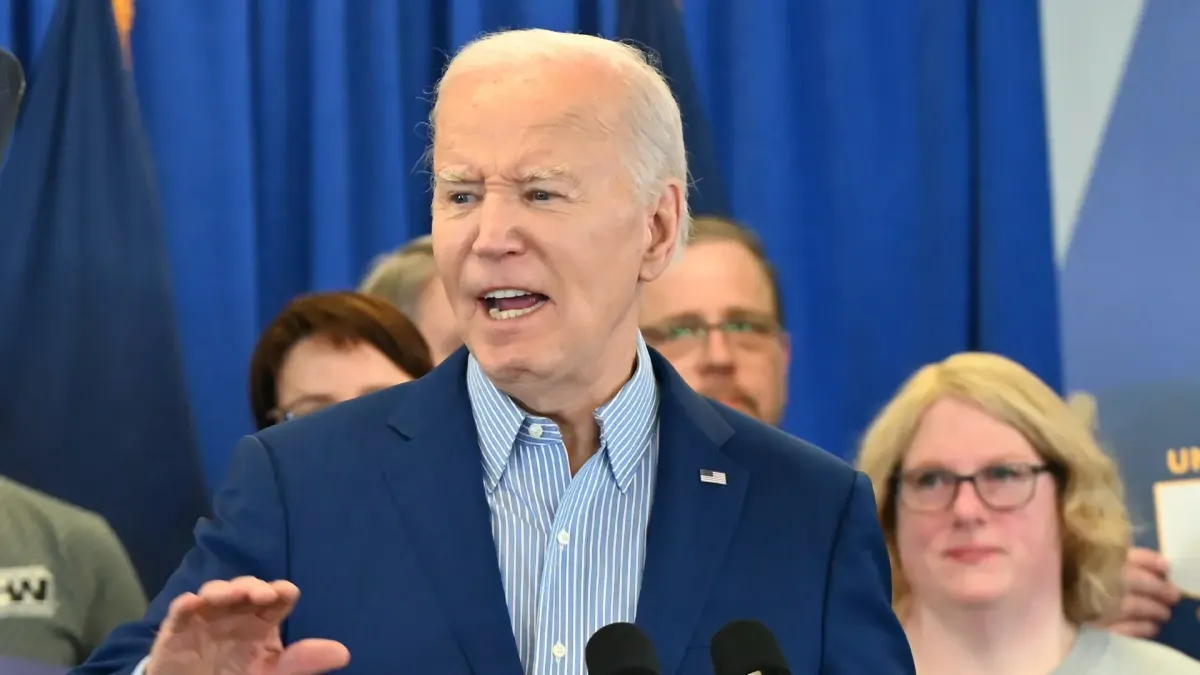
U.S. President Joe Biden announced that he would be stopping Nippon Steel's attempted $14.9 billion takeover of U.S. Steel in light of some national security risk concerns. This was after weeks of debate by the Committee on Foreign Investment in the United States, reported in The Washington Post.
This important development may well be the next transformation in the world steel industry, and marks an important point for the Biden administration's industrial and national security policies.
Background of the Deal
The Japanese steel producer, Nippon Steel, announced its interest in acquiring U.S. Steel early in 2024. The proposed takeover for $14.9 billion aimed to strengthen Nippon Steel's global presence and technological capabilities while ensuring the growth and stability of U.S. Steel in a competitive market.
U.S. Steel is one of the cornerstones of American industrial history and the steel industry at large. A Pittsburgh, Pennsylvania-based company, it has provided materials for infrastructures, defense, and many other industries which are crucial for national security.
The Role of CFIUS
It is on this deal that the CFIUS takes its core role to appraise the matter. It is a body composed of many agencies that monitor the foreign investment made in US-based companies not to compromise the nation's security.
Following comprehensive review, CFIUS determined that Nippon Steel's purchase would likely reduce U.S. Steel's capacity to produce products. This reduction in capacity would potentially impact supply chains of those industries considered of strategic importance to the national security of the United States, which include defense, transportation, and energy.
Nippon Steel Concessions
In order to alleviate the concerns, Nippon Steel presented several concessions to be made, which included:
Maintaining U.S. Steel Headquarters: The company will continue to be headquartered in Pittsburgh, Pennsylvania.
U.S. Board Representation: Vowing to nominate U.S. citizens to the board of directors.
Production Guarantees: Offering a veto mechanism for the U.S. government to block any decrease in steel production capacity.
The concessions were not, however, sufficient to assuage the administration's fears entirely.
Biden's Decision
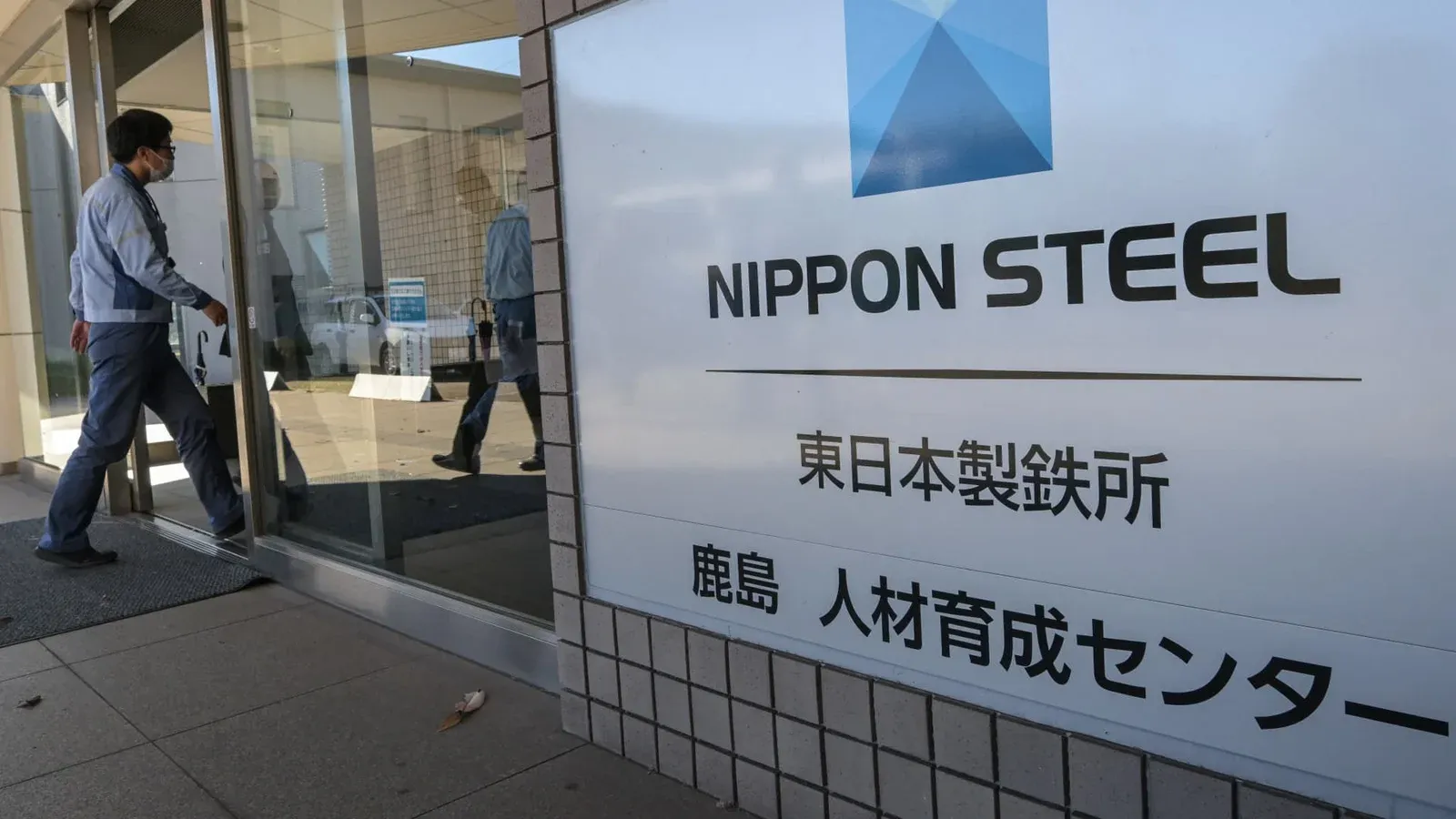
President Biden had blocked the deal after months of public and private opposition to the proposed acquisition. As early as March 2024, he stated, "It is vital for U.S. Steel to remain an American steel company that is domestically owned and operated."
The decision reflects a broader policy position aimed at ensuring critical industries do not fall under foreign influence. The administration of President Biden has consistently promoted domestic production and supply chain resilience.
Industry and Shareholder Reactions
The decision has elicited mixed reactions across the industry. U.S. Steel shareholders, who had overwhelmingly voted in favor of the deal in April, expressed disappointment. According to David B. Burritt, President and CEO of U.S. Steel, "The overwhelming support from our stockholders was a clear endorsement of the rationale for our transaction with Nippon Steel."
Conversely, many industry leaders and policymakers applauded the decision of Biden, as this would serve the interest of protecting national security interests.
Steel Industry Implications
Blocking the Nippon Steel acquisition demonstrates that the U.S. government will do its best to retain control over critical industries. It gives a clear message to foreign investors regarding the scrutiny they might face in pursuing strategic assets in the U.S.
But this decision also underlines the increasing nexus of economic policy with national security, because more and more countries consider strategic interest in commanding access over prime resources and industries.
What's Next
For Nippon Steel, this is a huge blow. The company now has to revisit their global strategy and find alternative routes for expansion.
For U.S. Steel, the emphasis is likely to be placed on fortification of its domestic capabilities and partnerships that could be interested in working with U.S. operations for national security purposes.
With this case, the world now pays attention to the intricacy and challenges facing cross-border acquisition in strategic industries.
FAQs
Why did President Biden block Nippon Steel's acquisition of U.S. Steel?
President Biden blocked the deal due to national security concerns. The administration feared that Nippon Steel’s control could lead to reduced production capacity, potentially disrupting supply chains critical to industries like defense and transportation.
What concessions did Nippon Steel offer to address U.S. concerns?
Nippon Steel presented several proposals, such as keeping U.S. Steel's headquarters in Pittsburgh, filling the board with U.S. citizens, and granting the U.S. government the right to veto the company's production decisions.
What does this decision say about U.S. Steel shareholders?
The shareholders are disappointed, because they overwhelmingly voted for the deal, stating it was beneficial for the financial and strategic perspectives.
What does this say about the foreign investor in the context of a larger picture?
This means that foreign investments in U.S. critical industries will face higher scrutiny. This is where economic policy meets national security in reviewing such deals.
What does this mean for the future of U.S. Steel and Nippon Steel?
U.S. Steel is likely to concentrate on improving domestic operations, whereas Nippon Steel needs to reassess its global strategy and look for other expansion opportunities.