Beyond Medication: A Cardiologist's Case for Reversing Diabetes to Heal the Heart

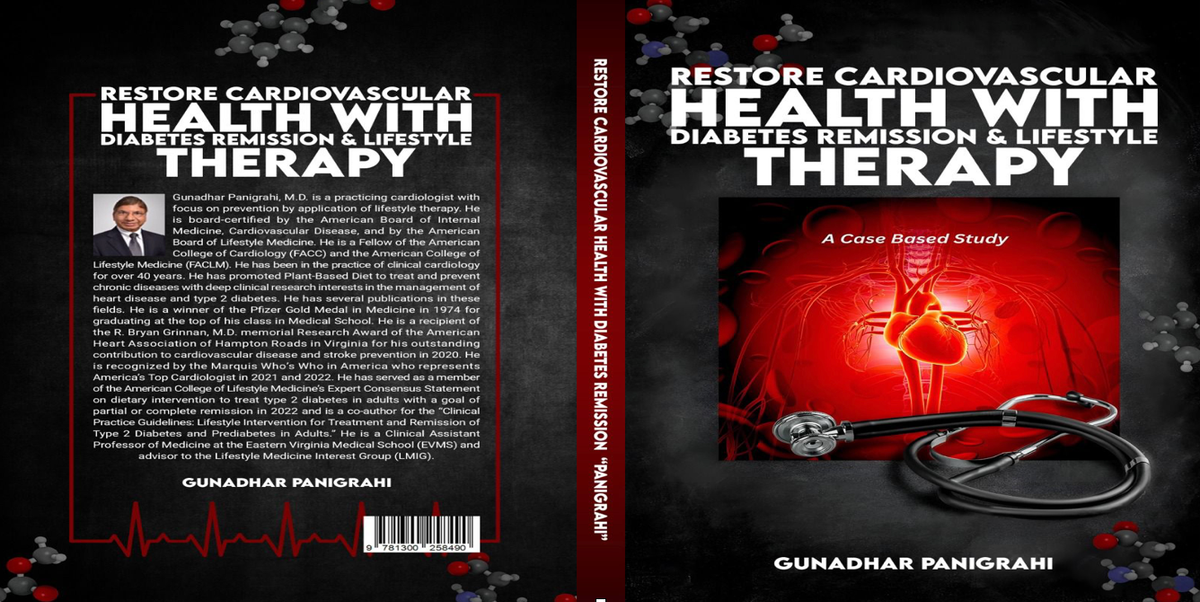
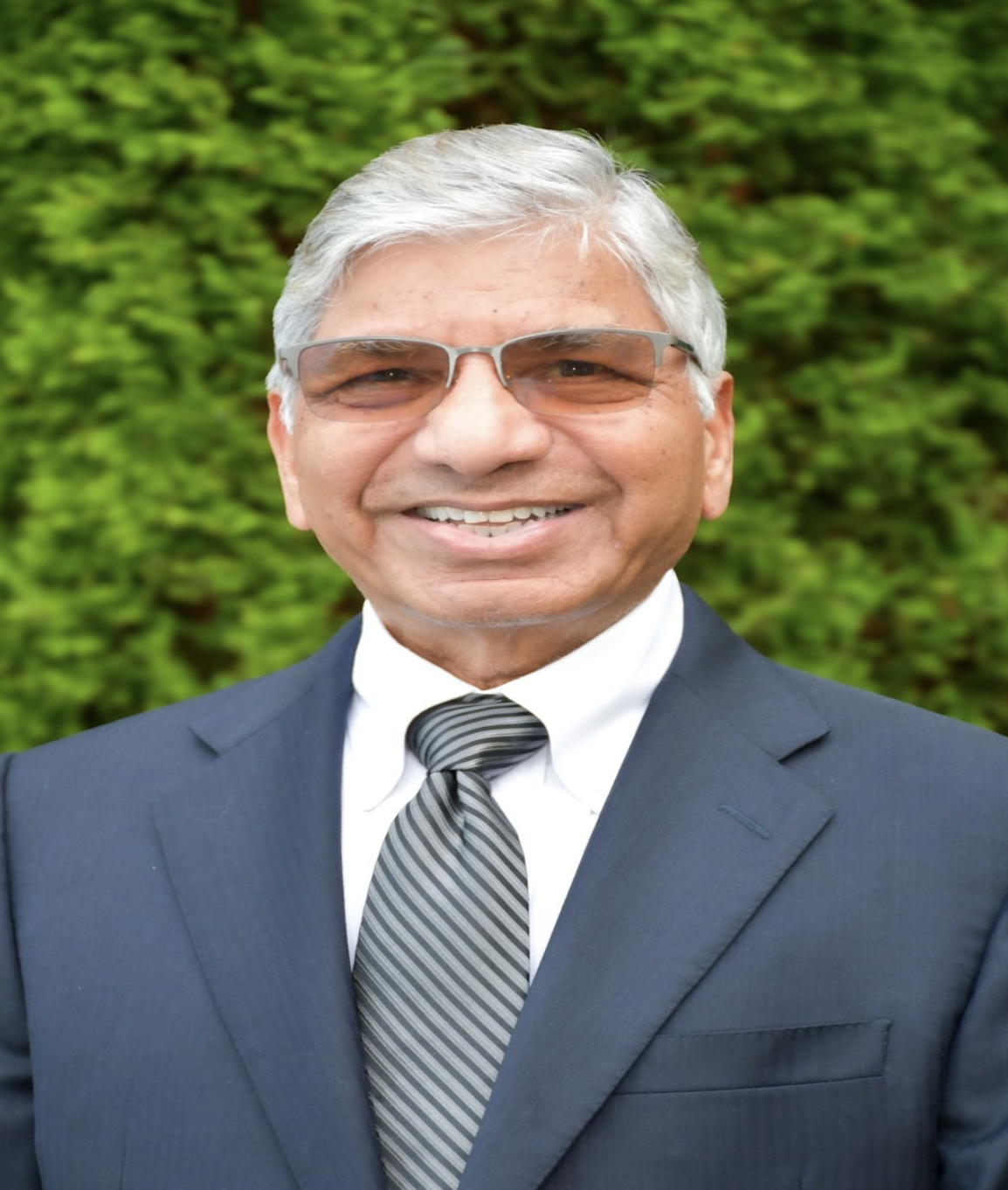
In the relentless battle against chronic disease, the narrative surrounding Type 2 Diabetes (T2D) has often been one of management, not cure. It's a story of escalating meds, managing complications, and accepting slow decline. However, a groundbreaking new case series study by Dr. Gunadhar Panigrahi, MD, FACC, FACLM, throws doubt on this very script, with strong evidence that remission of T2D is not only possible but can also be a powerful force in reversing advanced cardiovascular disease.
Dr. Panigrahi's book, "Restore Cardiovascular Health with Diabetes Remission by Lifestyle Therapy," is a landmark work that moves beyond theoretical discourse to the realm of real, verifiable results. It is the culmination of a long and illustrious career that began with a curious mind in a medical college in Burla, India, when he first studied the high rate of miscarriages in a local population and linked it with sickle cell disease. That early passion for linking clinical observation with fundamental, scientific knowledge now motivates his pioneering approach to cardiometabolic wellness.
The Inextricable Link: Diabetes and Cardiovascular Disaster
Dr. Panigrahi’s manuscript first masterfully establishes the undeniable connection between diabetes and cardiovascular disease, a link he terms "the most common, and not uncommonly fatal, comorbidities." He draws on extensive data, including the stark findings from the Multiple Risk Factor Intervention Trial (MRFIT), which showed the absolute risk of CVD death was three times higher for diabetic men than their non-diabetic counterparts.
But he doesn’t just cite statistics; he elucidates the precise biological mechanisms. The manuscript details how hyperglycemia damages the delicate endothelial glycocalyx lining our blood vessels, promotes a prothrombotic state, and accelerates the formation of arterial plaque. Crucially, he highlights modern research showing that foods common in Western diets, such as red meat, eggs, and cheese, produce compounds like TMAO and incorporate foreign molecules like Neu5Gc, which trigger inflammation and immune responses that further damage the vascular system. This scientific foundation is critical, as it moves the conversation from correlation to causation, explaining why diabetes is so devastating to the heart.
The Intervention: A Protocol for Reversal
The core of Dr. Panigrahi’s therapeutic strategy is a whole food, plant-based (WFPB) diet. This is not a vague recommendation but a specific nutritional protocol. His intervention diet consists of approximately 75% complex carbohydrates, 15% protein, and 10% fat, with 35–40 grams of fiber daily. He illustrates in considerable detail how patients can eat satisfying meals for less than 1,000, 1,500, or 2,000 calories, providing all the necessary nutrients and fiber.
The other pillars of lifestyle medicine complement this in a similarly compelling way: regular exercise, taking into account the patient's ability, stress reduction through yoga and meditation, avoidance of tobacco, moderation in alcohol consumption, and maximizing restful sleep. Exercise is not prescribed as a general recommendation, but rather as a specific prescription, involving the calculation of a desired target heart rate and the use of the Borg Scale for rating perceived exertion.
The Proof: 35 Cases of Remarkable Transformation
The most compelling part of Dr. Panigrahi’s work is the undeniable proof presented in 35 detailed case studies. These are not cherry-picked success stories, but a documented cohort of patients with severe, long-standing illnesses who achieved diabetes remission (HbA1c <6.0%) and experienced dramatic improvements in cardiovascular health.
The cases are staggering:
• Case 1: A patient with a history of MI, CABG, CHF, and peripheral arterial disease had his ejection fraction rise from 30% to 50% and did not need any further cardiovascular surgery for over seven years.
• Case 5: A diabetic cardiomyopathy patient with Charcot's foot and renal failure about to undergo amputation entered remission, healed his ulcers, and corrected his kidney function, avoiding amputation of the limb.
• Case 22: One woman patient who experienced cardiac arrest from ST-elevation myocardial infarction saw her ejection fraction rise from 32% to 45% and went into remission, and she was able to discontinue insulin.
Dr. Panigrahi is careful to present an unbiased perspective. In Case 13, biochemical remission did occur. However, the patient still went on to develop progressive neuropsychiatric complications, a poignant reminder that not all complications can be reversed if the disease is far advanced. Being so candid makes the entire argument that much more solid based on clinical fact.
A Pragmatic and Hopeful Vision for Healthcare
Dr. Panigrahi’s work is a clarion call for a paradigm shift in clinical practice. He argues that lifestyle therapy should be the "first-line treatment to prevent and reverse chronic diseases." His approach is pragmatic, recognizing the challenges of behavioral change, but it provides the tools, meal plans, exercise regimens, and stress-reduction techniques to make it achievable.
The implications are profound. This is not merely about improving quality of life, though it certainly does that. It is about economic impact, potentially reducing the enormous expenditure dedicated to managing chronic disease. It is about empowerment, giving patients agency over their health outcomes.
Restore Cardiovascular Health With Diabetes Remission is more than a medical manuscript; it is a beacon of hope. Dr. Gunadhar Panigrahi emerges not as a radical but as a rigorous and compassionate clinician who has meticulously documented a path to better health. In a world grappling with an epidemic of diabetes and heart disease, his work provides a scientifically-grounded, empirically-validated strategy that challenges the inevitability of disease progression and offers a powerful alternative: the possibility of reversal and lasting health.