Bernard Kerik, Embattled Former NYPD Commissioner, Dies at 69
Kerik, who rose from beat cop to lead the NYPD before a dramatic fall from grace, leaves a legacy of both reform and controversy.

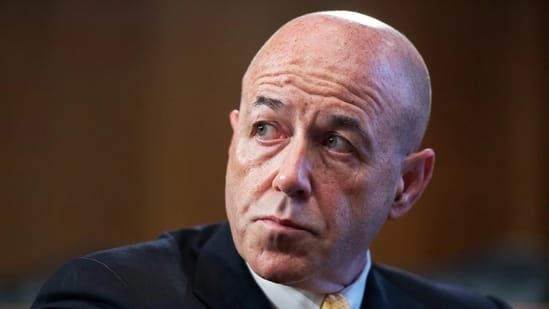
Dateline: New York, NY — May 30, 2025
Bernard B. Kerik, the former New York City police commissioner celebrated for his leadership during 9/11 but later disgraced by corruption convictions, died on Thursday at his home in New Jersey. He was 69. The cause, disclosed by his family, was complications following surgery.
A Meteoric Rise Through NYPD Ranks
Kerik’s life was one of extremes: he was born into poverty, raised amid hardship, and dropped out of high school before joining the New York Police Department in 1986. Kerik quickly climbed the ranks, earning a reputation for toughness and loyalty.
In August 2000, Mayor Rudolph Giuliani appointed Kerik as the city’s top cop. His tenure was most publicly defined by the September 11, 2001 terrorist attacks. Kerik became a symbol of resilience in the aftermath, frequently appearing beside Giuliani and assuring New Yorkers during an era of fear and mourning.
“He was a crucial part of New York’s strength at a moment when the city needed it most,” said Giuliani in a statement Thursday. “His commitment to the people of New York cannot be overstated.”
Honors and Political Ambitions
Kerik’s post-9/11 heroics led to his selection by President George W. Bush in 2003 to train Iraqi police forces after the U.S. invasion. In 2004, Bush nominated him as U.S. Secretary of Homeland Security—a moment that seemed to crown his rise from humble beginnings.
But his nomination quickly unraveled amid reports he had failed to pay taxes for a household worker lacking legal U.S. status. Subsequent investigations unearthed deeper legal and ethical troubles.
Scandal and Incarceration
Investigators found Kerik had accepted illegal gifts from contractors with city business, failed to report income, and lied to federal officials. In 2009, Kerik pleaded guilty to eight felonies, including tax fraud and making false statements. He was sentenced to four years in federal prison, serving time in Maryland before his 2013 release.
The fall stunned the law enforcement community and the city he had once served so visibly.
“No one saw it coming,” said William Bratton, former NYPD commissioner. “He had a forceful presence, but his ambition blinded him at critical moments.”
Redemption and Advocacy
After prison, Kerik wrote two memoirs, became a sought-after speaker on criminal justice reform, and often appeared on cable news. In 2020, he received a pardon from President Donald J. Trump. Supporters claimed he provided a powerful voice on the need for second chances in the American justice system.
Kerik’s decades-long career reflected shifting views on policing, accountability, and redemption. He is survived by his wife, Hala, and two daughters.
New York’s Complicated Legacy Figure
Kerik’s death comes at a time when the NYPD and American policing are the subject of renewed scrutiny. His tenure—and fall—remain a cautionary tale about the power and pitfalls of public service.
“Kerik showed us the heights a cop from the Bronx could reach, but also how the city and its leaders must hold themselves to the highest standards,” said Donna Lieberman, executive director of the New York Civil Liberties Union.
Conclusion
Bernard Kerik’s life story, marked by triumph, scandal, and eventual reflection, continues to spark debate over integrity and redemption in public life. As New York remembers a hero of the September 11 crisis, it also contends with the enduring complexities of its most colorful police commissioner.