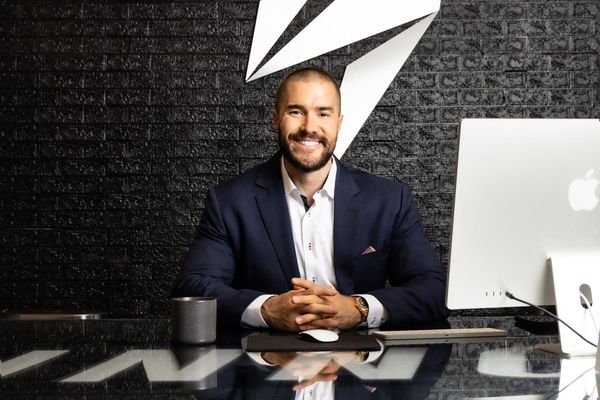
Ber Mitchell Explains the Finance to Property Bridge Reshaping Global Wealth

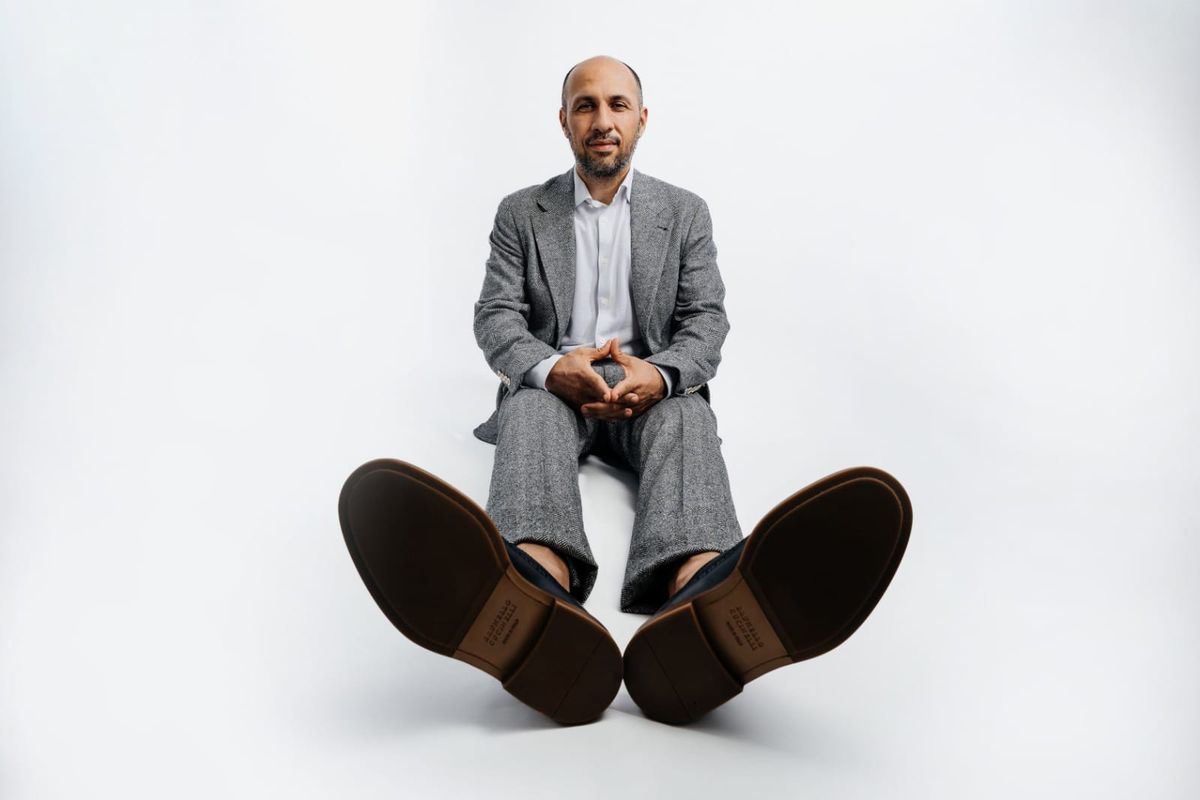
Ber Mitchell operates at the intersection of two asset classes that increasingly define modern wealth creation digital assets and real estate. With a background shaped by multiple market cycles and international exposure, Mitchell has become known for applying institutional style thinking to individual capital strategy. His focus is not on speculation or short term trends, but on how emerging sources of liquidity can be converted into long term, durable assets that withstand market shifts.
Over the past decade, global wealth has undergone a structural shift. What began as a fringe experiment in digital money has matured into a parallel financial system, producing liquidity at a speed unmatched by traditional markets. At the same time, investors continue to seek permanence, predictability, and physical security for accumulated capital. The result is a growing bridge between two worlds once seen as incompatible crypto and property.
This transition is not accidental. It reflects a broader evolution in how modern investors think about capital formation and protection.
The Rise of Digital Liquidity
Cryptocurrency markets introduced a new phenomenon into global finance speed of capital creation. Digital assets allowed individuals to generate liquidity without relying on banks, geographic proximity, or traditional gatekeepers. As adoption expanded, crypto became less about ideology and more about infrastructure.
Global ownership of digital assets has reached hundreds of millions of participants worldwide, signaling that crypto is no longer a speculative niche but a behavioral shift in how people store and transfer value. Liquidity now forms faster, moves freely, and responds instantly to global narratives.
Yet speed creates its own problem. Volatility amplifies gains but also magnifies risk. Capital created quickly can disappear just as fast if left exposed. For many investors, the question is no longer how to make money in crypto, but what to do with it once it exists.
Why Property Becomes the Destination
Historically, property has served as one of the most reliable methods for converting abstract wealth into something tangible. Real estate offers characteristics digital assets cannot fully replicate utility, physical scarcity, and long term demand driven by human settlement rather than sentiment.
As crypto generated a new class of globally mobile capital, real estate became the natural destination for stabilization. Property absorbs volatility by anchoring value in assets that function regardless of market cycles. It also provides optionality income generation, leverage, and long horizon appreciation when positioned correctly.
This explains why crypto capital increasingly flows into physical assets rather than remaining perpetually exposed to market swings. The objective is not to abandon innovation, but to crystallize its outcomes.
Dubai as a Convergence Point
Few markets illustrate this bridge more clearly than Dubai. The city sits at the intersection of global capital mobility, regulatory clarity, and investor friendly infrastructure. It attracts individuals who operate internationally rather than locally, and who view residency, taxation, and asset ownership as strategic decisions.
Dubai’s real estate market offers scale, liquidity, and diversity across asset classes. Combined with a regulatory environment that recognizes both digital assets and traditional investment frameworks, the city functions as a conversion point where digital wealth transitions into long term holdings.
For investors navigating crypto gains, Dubai presents an ecosystem designed to receive capital rather than resist it.
From Acceleration to Preservation
The bridge between crypto and property reflects a broader principle separation of function. Digital assets excel at acceleration. Real assets excel at preservation. Problems arise when investors expect one asset class to perform both roles simultaneously.
Crypto thrives on volatility and narrative momentum. Property thrives on stability, infrastructure, and demand fundamentals. Treating these differences as complementary rather than conflicting allows capital to move through phases instead of remaining trapped in one state.
This approach reduces emotional decision making. When growth and preservation are clearly separated, investors are less likely to panic during drawdowns or overextend during rallies. Capital becomes intentional rather than reactive.
A Structural Shift in Wealth Thinking
What makes this transition significant is its permanence. The crypto to property bridge is not a temporary trend but a structural response to modern capital behavior. As long as digital markets continue to generate liquidity, investors will seek physical anchors for that wealth.
This mirrors institutional logic. Large funds routinely rebalance gains from high growth instruments into infrastructure, real assets, and defensive positions. What is changing is accessibility. Individual investors now have the tools to apply similar frameworks without institutional intermediaries.
The challenge lies in execution. Without discipline, investors risk transferring volatility rather than neutralizing it. Without structure, they risk mistiming conversions or concentrating exposure.
The Future of Hybrid Wealth Strategies
As digital finance continues to evolve, the integration between virtual and physical assets will deepen. Property will not replace crypto, and crypto will not replace property. Instead, each will serve a distinct role within a broader system of capital management.
The investors who benefit most from this evolution will be those who understand that wealth is not defined by how quickly it grows, but by how deliberately it is positioned. Speed without structure leads to fragility. Structure without adaptability leads to stagnation.
The bridge between crypto and property represents a synthesis of both.
It reflects a mature understanding of modern wealth one that acknowledges innovation while respecting permanence, embraces volatility while protecting foundations, and treats capital not as a bet, but as a system designed to endure.