Belarus' President Alexander Lukashenko warns against North Korean troops in Ukraine: Possible escalation
Belarusian President Alexander Lukashenko has expressed deep concern by the possibility of North Korean troops taking up and fighting alongside Russian troops in the ongoing conflict with Ukraine.

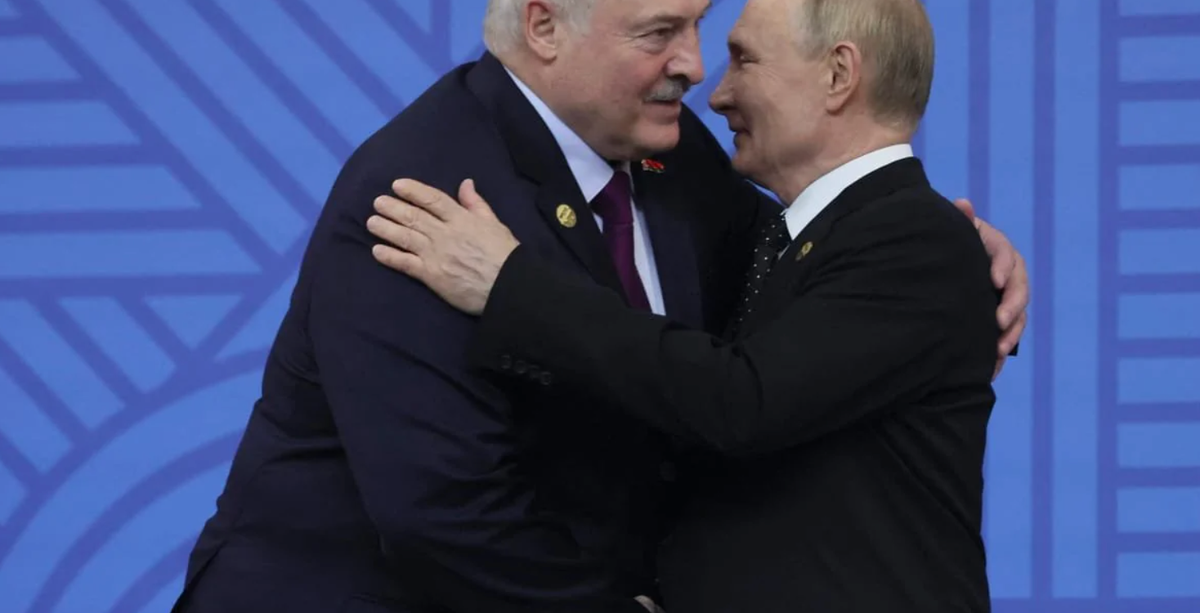
He said that involvement of such troops would be "escalation" in what is already an extremely volatile situation, as he sounded out the ever-competitive East European geopolitics.
A blurred landscape of intensified military actions and shifting alliances spans the background of Lukashenko's statement. Since the commencement of the war in Ukraine, Russia has been searching for any means to mobilize its resources to build up its military might at this point in time of stiff resistance by the forces in Ukraine and from the West in response to sanctions. Because Moscow is in need of troops and is scouting for reinforcement, there have been reports emerging that Russia may be looking towards North Korea among others for support.
Lukashenko, a known ally of Russian President Vladimir Putin, has been siding with Russia's military objectives in Ukraine for a long time. However, his recent statement is an indication that caution should be taken in the use of North Korea soldiers since their appearance will shift the conflict to a wider scale. This is due to the fact that the inclusion of military from North Korea does not bring an anticipated response that may infuriate Western nations further and thus broaden the conflict.
Such involvement by North Korean troops in the war to Ukraine means the implications are so profound. At the cost of complicating diplomatic efforts aimed at resolving this crisis, it would be a step forward in alliance with Russia for North Korea. The international system would most likely be threatened as the Western countries look at such a move as a significant threat, resulting in military aid provision to Ukraine and heightening tensions all over the region.
It reflects a greater anxiety in the mind-set of Eastern Europe: the fear of the Ukrainian conflict spilling over into a wider regional war. Involvement by North Korean troops changes the contours of the war; a new variable may now embolden the actions of the Russians' military, but it will also significantly raise the stakes for NATO and other friends to Ukraine. The threat of a greater war looms large with the increased intensity gathering with the military engagements.
Involvement of North Korean troops then brings in the question of the international consequences for such an involvement. North Korea is well known for its unorthodox military tactics as well as its missile arming. Its integration into the Russian armed forces will bring in unpredictable changes in the conflict. The addition of North Korean forces into those involved will introduce problems for the Ukraine and its partners to solve because this adds unpredictability into strategies which were, until now, clearly about fighting against the Russian forces.
This possibility also illustrates a deeper trend of the growing military cooperation between Russia and North Korea. As Russia and North Korea get increasingly isolated from the West, their alliance might deepen, with the danger of the formation of a bloc of states which would directly oppose the political and economic influence of the West all over the world.
This means that Lukashenko's message, stating that North Korean troops could join the ranks of Ukraine, can be interpreted as a very important reminder of the very delicate state of geopolitical positions in the region. With the development of the current conflict, the complicated positioning of military alliances and the potential to rise up in another round of escalation will again become global security's key elements. The international community needs to keep track of such developments so as to foresee the implications they are to unleash and hence table diplomatic solutions that may prevent further altercation. The scenario will thus remain precarious, with a likelihood of unexpected shifts that could redefine the landscape of Eastern Europe.