“Because I Hate Korea”: A Provocative Exploration of South Korea’s Generation Z Struggles
Explore the emotional journey of a young woman grappling with societal pressures in South Korea and beyond in "Because I Hate Korea."


A Deep Dive into South Korea's Generation Z Struggles in “Because I Hate Korea”
At the 2023 Busan International Film Festival, Because I Hate Korea opened the event with a film that embodies the frustrations, disillusionment, and challenges of South Korea’s Generation Z. Directed by Jang Kun-jae, best known for his work on A Midsummer’s Fantasia, this film gives a voice to the restless youth caught between clashing societal pressures. Adapted from a novel by Jang Kang-myung, the movie revolves around the life of Gye-na, a young woman struggling to make sense of her place in a world that demands so much yet offers little in return.
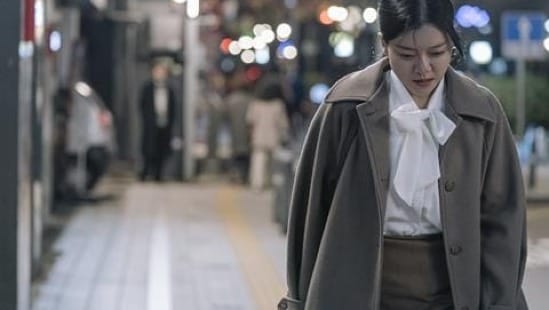
The film paints a picture of a generation facing tremendous societal and personal expectations. From romantic commitment and class tensions to the unrelenting pressure of education and career advancement, Gye-na's journey speaks to the universal struggles of young people, not only in South Korea but in other modern societies too. The central performance by Ko A-sung, who debuted as a teenager in Bong Joon-ho’s The Host, anchors the film, adding weight to its episodic narrative. But while Because I Hate Korea is a powerful portrayal of a generation in crisis, it also walks a fine line between cultural satire and indulgence in national pride, making it a film both introspective and outwardly critical.
A Story of Struggles: Gye-na’s Search for Self-Identity
Gye-na (played by Ko A-sung) is the epitome of frustration and restlessness. A 20-something stuck in a soul-crushing office job, she despises the monotony of her daily commute and the pressure to excel in a society where success is measured by efficiency and conformity. Gye-na is caught between the weight of her mother’s expectations — who pushes her to date Ji-myoung, her boyfriend from a wealthier background — and her personal desire to break free from the suffocating grip of societal norms.
Through Gye-na's voice-over, which recounts the harsh realities of daily life, Because I Hate Korea offers viewers an authentic view of the endless grind of modern Korean life. The constant comparisons to wealthier social circles and the idea of “making it big” weigh heavily on Gye-na. She loathes her office job, where she’s required to turn a blind eye to corruption, and the cold winter only seems to deepen her sense of isolation. In many ways, the film’s portrayal of her life mirrors the collective sentiments of young South Koreans today: tired, disillusioned, and struggling with the pervasive pressure to succeed.
A Change of Scenery: Gye-na's Escape to New Zealand

To escape the societal expectations weighing down on her, Gye-na makes the bold decision to leave South Korea and head to New Zealand. Here, the movie takes an interesting turn, transitioning between her life in Seoul and her time in Auckland, where she encounters a strange reflection of the pressures she thought she had left behind. New Zealand, with its expat Korean community, offers little relief from the expectations of home.
In Auckland, Gye-na faces new challenges, from hostile encounters with locals to trying to navigate a foreign culture while still feeling tied to her roots. A particularly awkward encounter at a party, where the conversation turns to the North Korean nuclear threat, illustrates the discomfort Gye-na feels in this new environment. Despite her efforts to escape, the weight of societal expectations follows her.
However, New Zealand also presents a different side to Gye-na’s journey — a chance for self-discovery. Here, she takes up multiple jobs: waitressing, nannying, and even working in an Amazon warehouse to fund her studies. The economic and social disparities she encounters, combined with the frustratingly limited opportunities, expose her to a harsh reality. But this new chapter also allows Gye-na to reflect more deeply on her own desires and ambitions — away from the prying eyes of her family and society.
The Limitations of “Because I Hate Korea”
While Because I Hate Korea offers a vivid portrayal of Gye-na’s internal and external battles, it is not without its limitations. The film occasionally falls into the trap of pandering to rom-com clichés, with its upbeat, muzak-oriented soundtrack and the introduction of Jae-in (Joo Jong-hyuk), a quirky character who provides comic relief and romantic tension. At times, it seems that the movie cannot decide whether it wants to be a sharp cultural critique, a coming-of-age drama, or a light-hearted romantic comedy.
This constant shift in tone can leave the viewer feeling somewhat unsettled. The film does, however, succeed when it delves into the deep frustrations of a young woman who is trying to navigate a world that constantly evaluates and judges her. The film’s strongest theme emerges in its feminist perspective, particularly Gye-na’s desire to make her own mistakes, free from the expectations of her parents, employers, and peers.
A Quiet Revolution: The Feminist Undertones
At the heart of Because I Hate Korea is Gye-na’s quiet resistance to a world that wants to control her every move. The film’s feminist undertones — as Gye-na struggles to carve out her own identity amid the patriarchal pressures of both Korea and New Zealand — provide the narrative with a sense of urgency and relevance. This is not just a film about one woman’s journey; it is a commentary on the limitations placed on women in a society obsessed with conformity, appearance, and success.
The scenes in which Gye-na navigates her relationships with men, particularly her boyfriend Ji-myoung and the men she meets in New Zealand, highlight the enduring imbalances of power and privilege. Whether in Korea or abroad, Gye-na faces male immaturity, class snobbery, and the relentless pressure to meet societal expectations. Her experiences with love and career are not without challenges, but they allow her the space to define her own path, even if that path leads her to uncomfortable and uncertain places.
Conclusion: A Film for the Disillusioned and Lost Generation

Because I Hate Korea is a film that speaks directly to South Korea’s Generation Z, capturing the anxiety, frustration, and sense of disillusionment felt by many young people today. With its combination of social critique, coming-of-age storytelling, and subtle feminist perspective, it resonates with anyone grappling with the pressures of modern life. Though it may struggle at times to balance its various narrative threads, it succeeds in portraying a generation in crisis, one that is desperately seeking to find its place in an ever-changing world.