Atlantics: The Haunting Love Story You Can’t Miss


A Film That Defies Boundaries
Mati Diop’s Atlantics is not just a film—it’s an experience. This mesmerizing debut feature by the French-Senegalese filmmaker blends romance, social commentary, and supernatural elements into a hypnotic narrative. Set in Dakar, Senegal, the film tells a haunting love story intertwined with themes of migration, injustice, and the resilience of women.
The Story of Love and Separation
At the heart of Atlantics is Ada (Mame Sané), a 17-year-old woman in love with Souleiman (Ibrahima Traoré), a construction worker who, along with his colleagues, has been left unpaid for months. Desperate for a better future, Souleiman and his friends embark on a perilous journey across the Atlantic, leaving their loved ones behind.
Ada, unaware of his departure, is soon forced into an arranged marriage with the wealthy and controlling Omar (Babacar Sylla). But Souleiman's absence is not the end of their love story—it’s just the beginning of something far more mysterious and profound.
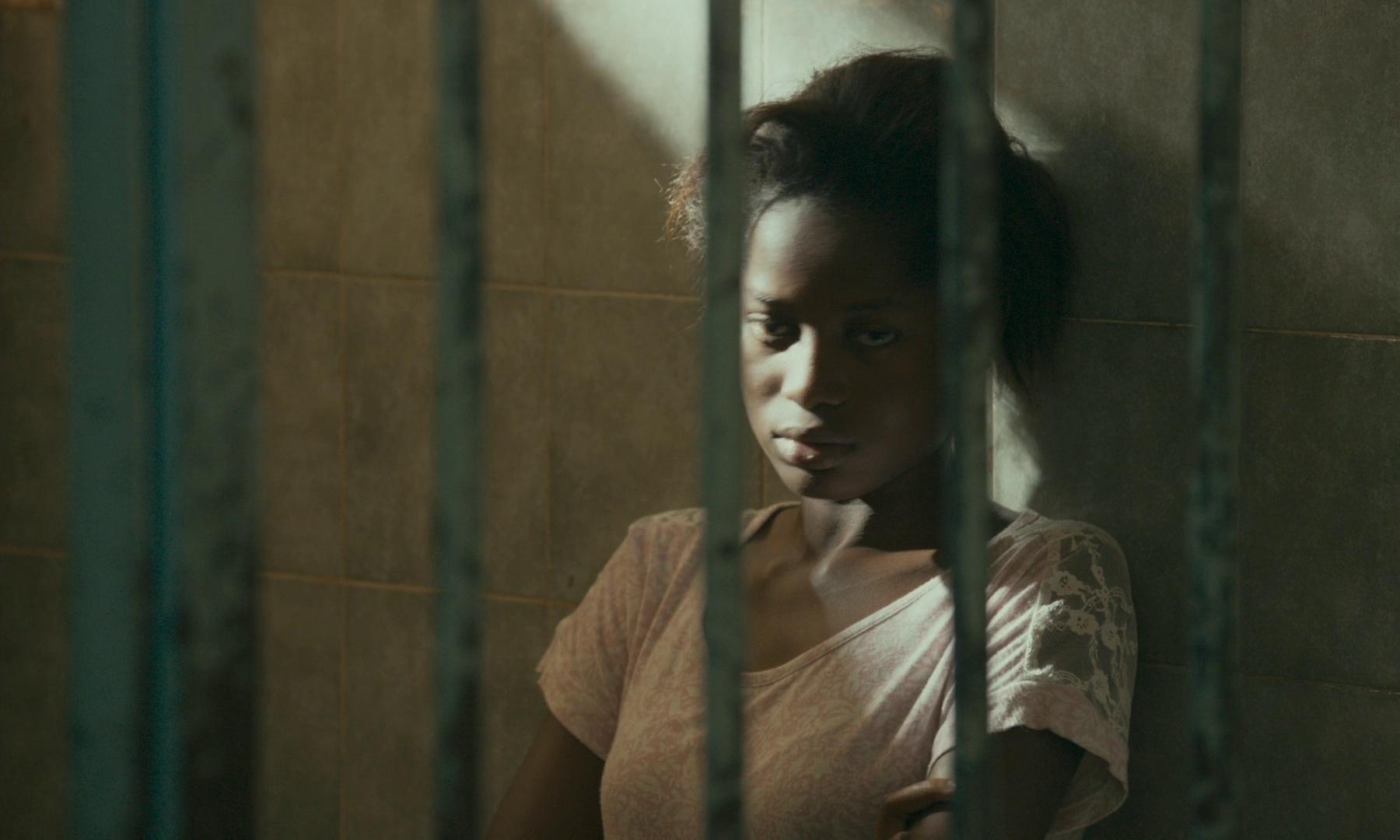
The Supernatural Twist
As Ada struggles with her new reality, eerie events unfold. The men who left return—not in flesh, but as spirits, possessing the bodies of their loved ones to demand the justice they were denied in life. The film seamlessly weaves elements of ghostly possession and African folklore into its deeply human narrative.
One of the most chilling yet poetic moments occurs when the women, now inhabited by the spirits of their lost lovers, confront their oppressor, Mr. Ndiaye (Diankou Sembene), the heartless employer who refused to pay his workers. With their glowing, milky-white eyes, they seek retribution, making for one of the film’s most powerful scenes.
A Feminist Odyssey
While Atlantics starts as Souleiman’s story, it quickly shifts its focus to Ada and her circle of friends. Unlike traditional narratives where women wait for their lost men, Atlantics flips the script—these women take control of their destinies. Ada’s journey is one of self-discovery, defiance, and ultimate freedom from the oppressive structures around her.
This feminist perspective resonates deeply, showcasing the strength of women in a patriarchal society. The film highlights struggles such as forced virginity tests and societal expectations, making a broader statement about gender inequality not just in Senegal, but globally.
Visual and Auditory Magic
One of Atlantics’ most striking aspects is its visual storytelling. Cinematographer Claire Mathon captures Dakar’s landscapes with a dreamlike quality—its golden beaches, neon-lit streets, and vast ocean waves become characters in their own right. The hypnotic score by Fatima Al Qadiri enhances the film’s ethereal tone, immersing viewers in its ghostly atmosphere.
A Poignant Reflection on Migration
Beneath its supernatural layer, Atlantics is a poignant commentary on migration. The men’s tragic journey echoes the real-life stories of thousands of African migrants who risk their lives for a better future, often never returning. The film sheds light on this heartbreaking reality while giving a voice to those left behind—those who mourn, hope, and ultimately find strength in their loss.
A Cinematic Masterpiece
Diop’s storytelling is both poetic and raw. Atlantics does not follow a conventional structure, but its narrative fluidity only enhances its emotional impact. While some moments may feel ambiguous, they contribute to the film’s dreamlike quality, leaving space for interpretation and reflection.
Why Atlantics Is a Must-Watch
- Unique Genre Blend – A mix of romance, mystery, social drama, and supernatural horror.
- Strong Feminist Themes – Women take center stage in their own powerful narrative.
- Stunning Visuals – Breathtaking cinematography that captures the beauty and sorrow of Dakar.
- Haunting Soundtrack – A mesmerizing score that deepens the film’s hypnotic effect.
- Relevant Social Commentary – A thought-provoking look at migration, labor exploitation, and gender inequality.
Atlantics** is a film that lingers long after the credits roll. It is a hauntingly beautiful meditation on love, loss, and justice, wrapped in a visually stunning and emotionally gripping narrative. Mati Diop has crafted a masterpiece that transcends genre, delivering a film that is as thought-provoking as it is mesmerizin