AT&T Ends Home Internet Service in New York Over State Affordability Law
AT&T halts its 5G home Internet service in New York due to a state law requiring affordable plans for low-income customers. The law mandates $15-$20 plans, prompting AT&T's exit from the state.

AT&T, the largest telecommunications firm in the US, has declared that it is discontinuing its 5G home Internet service in New York. It has done so following a newly enacted state law that requires broadband companies to provide Internet plans to low-income families. The "Internet Air" service by AT&T will cease its operation in the state from January 15, 2025. This move indicates how tensions are building between the state-imposed regulations that make broadband affordable for all and the telecommunication companies.
Background of AT&T's Internet Air Service
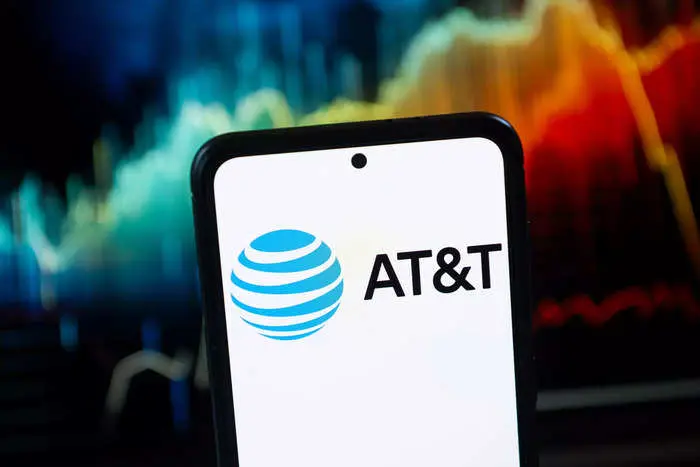
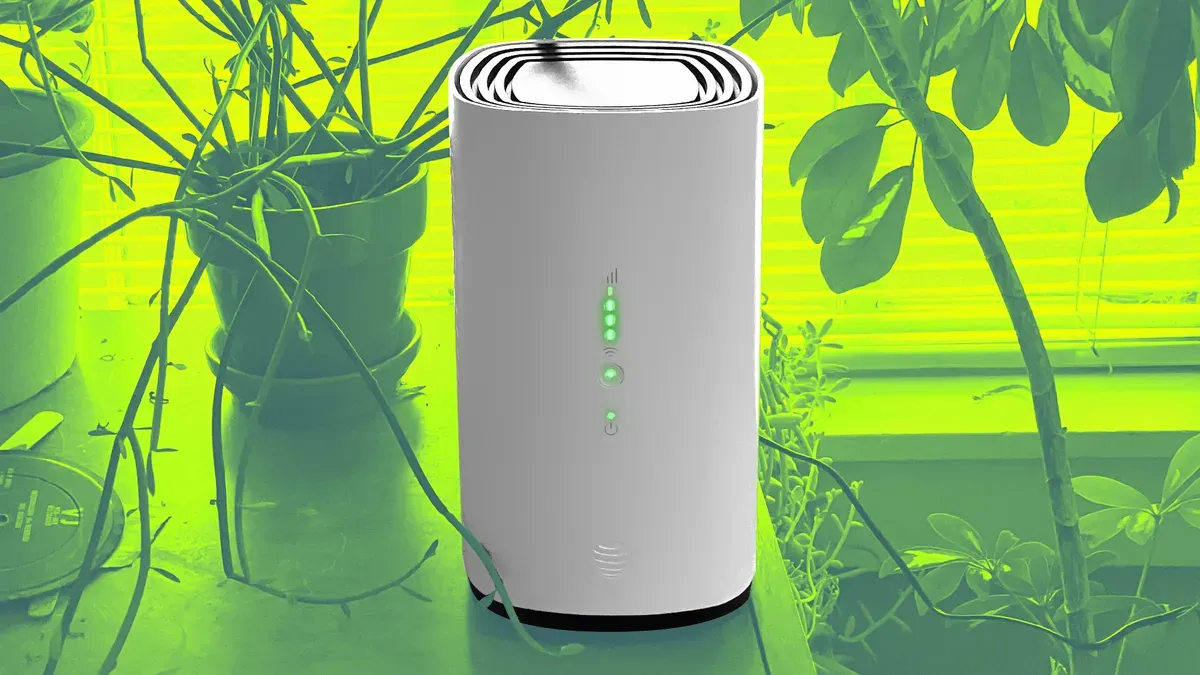
In 2023, AT&T rolled out its Internet Air service, which is a fixed-wireless broadband to replace the traditional DSL Internet. The service costs $60 per month or $47 with qualified mobile service plans. It has rolled out across the country in regions where AT&T has no fiber infrastructure. Even so, AT&T has always communicated that it won't focus fiber expansion on rural and sparsely populated regions. The Internet Air service was meant to be an inexpensive and reliable substitute in these markets, filling a void where fiber-based Internet service would prove economically infeasible.
The service is now available in nearly every U.S. state, but New York residents will no longer have access to it after January 2025. This marks a significant shift in AT&T's strategy, especially given that the company has touted Internet Air as a crucial component of its broadband future. The company said that it would target its fiber deployment to more densely populated urban areas, and other rural and underserved regions will have to be served through wireless technology.
The Affordable Broadband Act and Its Impact
The Affordable Broadband Act in New York has been under discussion for nearly four years. The law was implemented on January 15, 2025, after a long legal fight. The law mandates Internet service providers (ISPs) with more than 20,000 customers in the state to provide low-cost broadband plans to low-income households. The law sets two price points: one at $15 per month for a minimum of 25Mbps download speeds and another at $20 per month for 200Mbps speeds. These plans are available to qualified households, including those eligible for the National School Lunch Program, Supplemental Nutrition Assistance Program (SNAP), or Medicaid.
This is the law that has compelled AT&T to withdraw from New York, as it enforces these binding price regulations. According to the company, the stipulated reductions in prices are economically infeasible, considering the investment needed to maintain and expand broadband infrastructure in the state. According to Ars Technica, the statement by AT&T says that the rate regulations under the law are "harmful" to the business model of the company, making it unsustainable to continue offering Internet services in New York.
Legal and Regulatory Background
The Affordable Broadband Act faced serious legal hurdles before it was signed into law. First, the broadband lobby was able to persuade a federal judge to halt the legislation in 2021. Then, in April 2024, a U.S. appeals court reversed that ruling. Later, the Supreme Court refused to take up the case, so the law remained in place and was implemented beginning January 2025.
It marks a significant milestone in the struggle to make broadband access more affordable for underserved communities, but the law faces many areas in New York where limited broadband options and high prices prevail. In an effort to solve long-standing issues of digital equity, AT&T's withdrawal from the state puts a face on the challenge regulators face when balancing affordability with the need for sustainable business models in the tech industry.
AT&T Strategy and Future Plans
AT&T's decision to leave the New York broadband market is largely due to the company's broader strategic priorities. While AT&T is committed to providing mobile service throughout the state, the company has been clear about its limited role in the home Internet market, particularly in rural areas. AT&T has said that it will not build fiber infrastructure in half of its existing wireline territory, which it claims cannot justifies the financial cost to deploy fiber Internet.
The move also reflects AT&T's unwillingness to engage with pricing regulations that are perceived as being detrimental to the bottom line of the company. The Internet Air service was launched as an alternative to DSL Internet in areas where fiber is not available, but the withdrawal from New York indicates that the company is not willing to operate at a loss to meet the affordability standards of the state.

Impact on New York Consumers
New York consumers who have been using AT&T's Internet Air service will not be charged for the service during the 45-day transition period, which starts in January 2025. AT&T will allow these customers to continue using their service free of charge while they look for alternative broadband providers. Customers will also receive a "recovery kit" with instructions on how to return their Internet Air equipment. Any business customer who had purchased any AT&T equipment for their service would be allowed to retain those devices free of charge.
While AT&T will continue offering its 4G and 5G mobile services in New York, the decision to cease home Internet offerings will leave many residents searching for other broadband options. Given that New York is not part of AT&T’s traditional wireline footprint, the company has no fiber or DSL alternatives to offer in the state, meaning customers will have to look to other ISPs for their home Internet needs.
Future of Broadband Affordability
The situation in New York raises important questions about the future of broadband affordability in the U.S. While New York is among the first states to implement regulations requiring ISPs to offer low-cost broadband plans, other states may follow suit if the law proves successful. AT&T’s pullback from the state could be a cautionary tale for lawmakers considering similar regulations, as companies may choose to exit markets rather than comply with pricing mandates.
On the contrary, supporters of the Affordable Broadband Act believe it is a vital requirement to allow every New Yorker to have an excellent, yet affordable Internet. It will bridge the substantial digital gap within the state that has caused disproportionate effects towards the low-income and rural community. The State is hopeful of having more access through this requirement placed on ISPs with offering affordable plans for broadband use.
AT&T's decision to end home Internet service in New York is a significant development in the debate over broadband affordability. The move highlights the tension between the need for affordable Internet access and the business interests of large telecommunications providers. As New York continues to implement its Affordable Broadband Act, other states may look to follow its lead. The question is whether ISPs will be willing to comply with similar laws or whether they will choose to exit markets where affordability requirements are imposed.

Frequently Asked Questions
Why is AT&T pulling out of New York's home Internet market?
AT&T is pulling out of New York due to the state's Affordable Broadband Act, which requires ISPs to offer low-cost broadband plans for low-income customers. AT&T argues that its business model cannot survive under such pricing regulations.
When is AT&T ceasing its New York home Internet service?
AT&T will be ceasing its Internet Air service in New York effective January 15, 2025.
What will happen to the New York existing customers of AT&T Internet Air?
The New York existing customers of AT&T Internet Air will continue getting the service for free for the next 45 days, but after that they will have to look for a new internet service provider.
Is there a likelihood of other services remaining in New York?
Yes, AT&T will continue offering its 4G and 5G mobile services in New York. The new law only impacts home Internet services.
What is the Affordable Broadband Act?
The Affordable Broadband Act is a law passed in New York requiring ISPs with over 20,000 customers to offer low-cost broadband plans to low-income households. The plans must be priced at $15 for 25Mbps speeds or $20 for 200Mbps speeds.