Assata Shakur, Black Liberation Army Member, Dies at 78

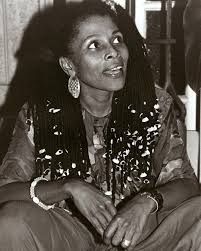
Assata Shakur, born Joanne Chesimard, passed away in Havana, Cuba, at the age of 78. Her death marks the end of a life that has been the subject of intense debate and scrutiny for decades. Convicted in 1977 for the 1973 murder of New Jersey State Trooper Werner Foerster, Shakur's story is one of activism, controversy, and a quest for justice that continues to resonate today.
Early Life and Activism
Born in 1947 in Flushing, Queens, New York, Shakur grew up in New York City and Wilmington, North Carolina. She became involved in political activism during her time at Borough of Manhattan Community College and City College of New York. Her activism was rooted in a commitment to fighting systemic racism and advocating for the rights of marginalized communities.
The 1973 Shootout and Conviction
In May 1973, Shakur and two other members of the Black Liberation Army (BLA) were pulled over on the New Jersey Turnpike by Trooper Foerster and another highway officer. During the confrontation, a shootout ensued, resulting in the death of Foerster and one of the passengers in the car. Shakur was wounded in the shootout and arrested. She was later convicted of first-degree murder and sentenced to life in prison.
Escape and Asylum in Cuba
In 1979, while serving her sentence at a maximum-security prison in New Jersey, Shakur escaped with the help of other BLA members. She fled to Cuba, where she was granted asylum by Fidel Castro. The U.S. government sought her extradition, but Cuba refused, citing political asylum protections.
Legacy and Controversy
Shakur's death has reignited debates over her legacy. To some, she is a symbol of resistance against systemic injustice, a woman who fought for the rights of Black Americans and paid a high price for her activism. To others, she is a convicted murderer who escaped justice. The FBI had offered a $2 million reward for her capture, and she remained on the agency's Most Wanted Terrorists list for decades.
Conclusion
Assata Shakur's life and death continue to provoke strong emotions and differing opinions. Whether viewed as a freedom fighter or a fugitive from justice, her story is a testament to the complexities of activism, race, and the pursuit of justice in America. As her passing marks the end of an era, it also serves as a reminder of the ongoing struggles for equality and the lasting impact of those who challenge the status quo.