Asia's Factories End 2024 on Weak Footing Amid Looming Trump 2.0 Risks
Asia’s factories concluded 2024 on a subdued note as trade risks intensified with the looming Trump 2.0 presidency and China’s economic fragility, raising concerns over global manufacturing trends.

As 2024 drew to a close, Asia's manufacturing sector found itself grappling with uncertainty. Persistent trade risks stemming from the anticipated second presidency of Donald Trump and China's tepid economic recovery added to the challenges. Data from December's Purchasing Managers' Indexes (PMIs) revealed varied trends across the region, highlighting pockets of resilience but also areas of significant concern.
China's Fragile Recovery
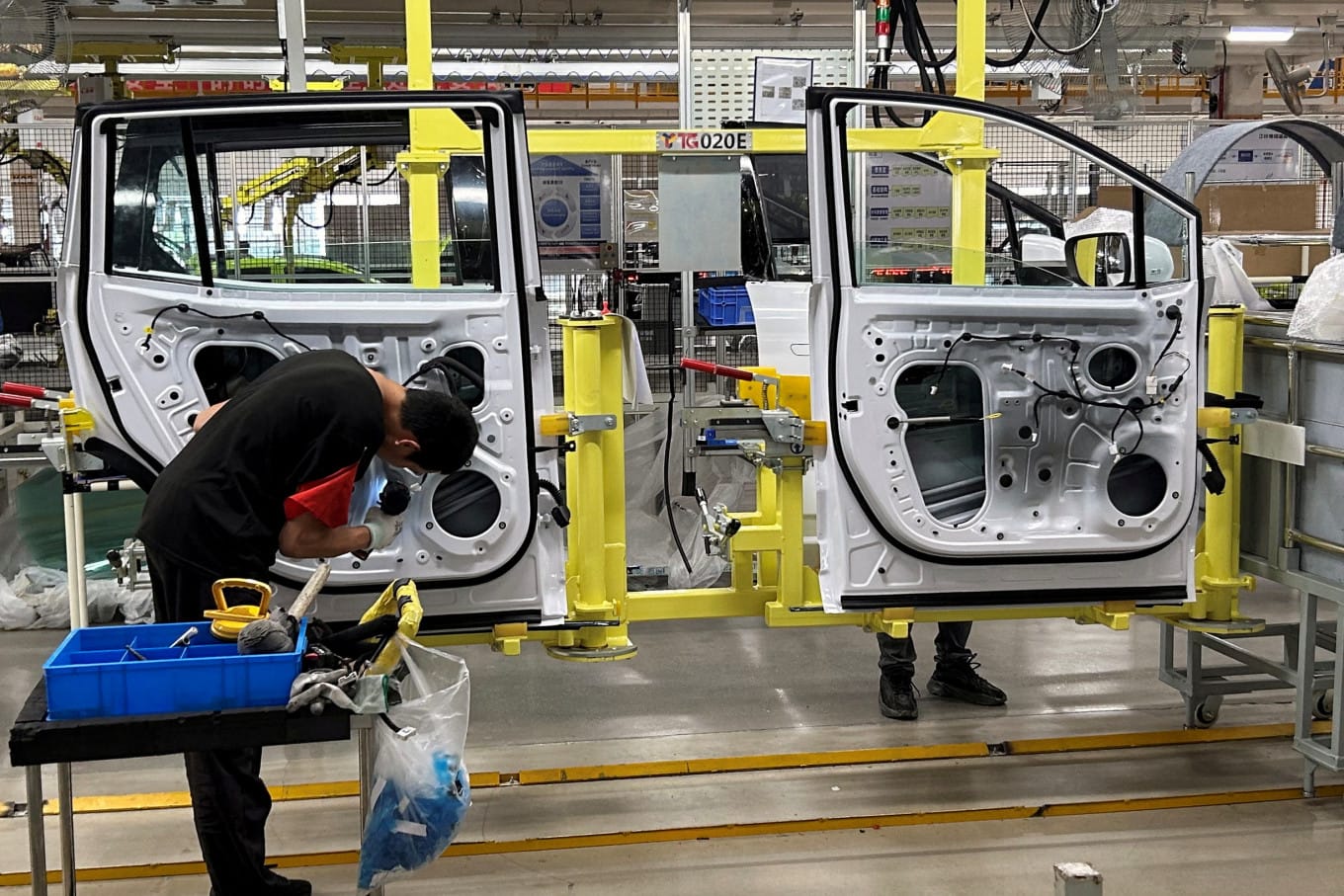
China, Asia's economic powerhouse, ended the year with modest factory activity growth. The Caixin/S&P Global manufacturing PMI dipped to 50.5 in December from November's 51.5, falling short of analysts' expectations. The official PMI mirrored this trend, signaling marginal growth.
Gabriel Ng, assistant economist at Capital Economics, noted that increased policy support from Beijing had provided temporary relief. "While the late 2024 measures offered a short-term boost, the lingering structural issues and Trump's looming tariff threats could stymie sustained growth," he cautioned.
South Korea: Political and Economic Uncertainty
In South Korea, factory activity shrank further in December, with the PMI indicating a sharp decline in output. This contrasted with better-than-expected export growth figures released earlier in the month. Adding to the economic strain, South Korea faced a political crisis following President Yoon Suk Yeol's failed attempt to impose martial law.
Central bank governor Rhee Chang-yong emphasized the need for a flexible approach to monetary policy in 2025, given the heightened uncertainty on both domestic and global fronts.
Japan and India: Contrasting Trends
Japan's manufacturing sector also struggled, with its PMI pointing to a contraction, albeit at a slower rate. Meanwhile, India's factories showed resilience, maintaining uninterrupted growth for three-and-a-half years. However, December's PMI highlighted the weakest pace of expansion in 2024, reflecting broader regional challenges.
Mixed Signals from Southeast Asia
Southeast Asia presented a mixed picture. Malaysia and Vietnam reported declines in factory activity, while Singapore's economy grew at its fastest annual rate since the pandemic, driven partly by a rush to export ahead of anticipated US tariffs.
Taiwan emerged as a bright spot, with its PMI indicating the fastest activity growth in five months. Respondents cited robust demand across Asia, Europe, and North America.
The Trump 2.0 Factor
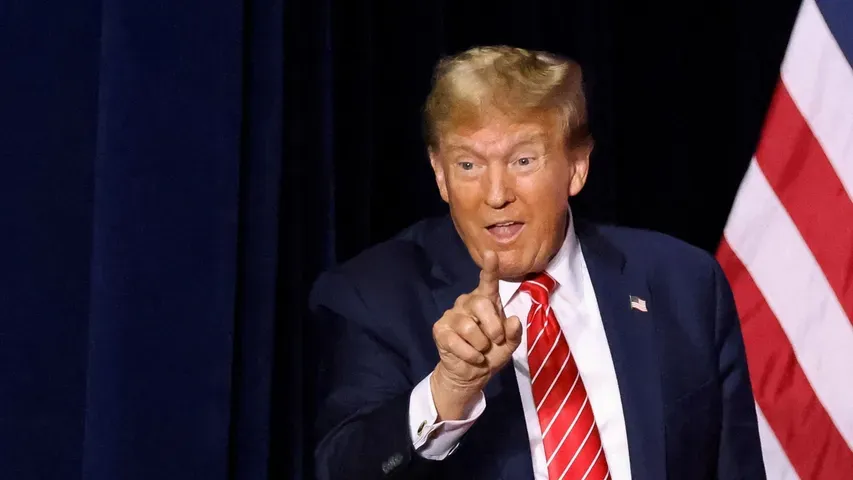
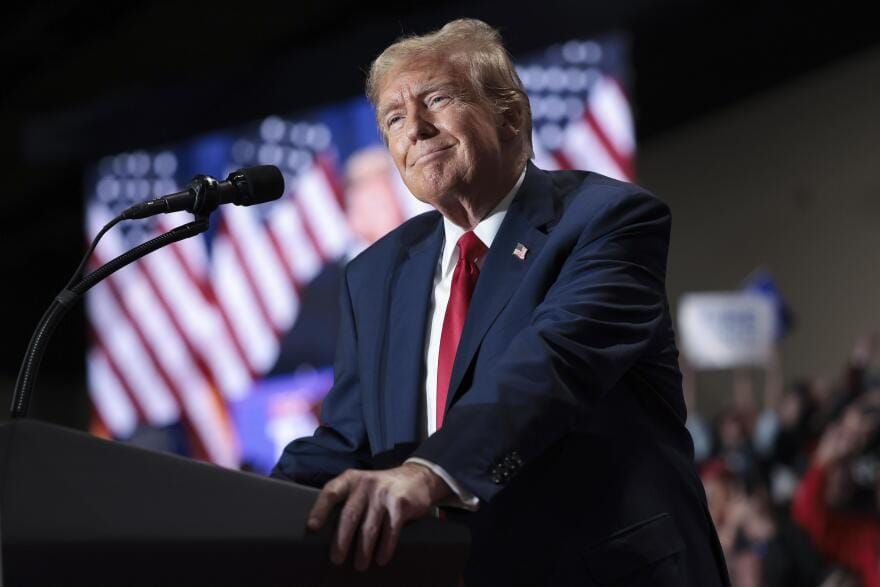
Donald Trump's return to the US presidency in 2025 poses significant risks to global trade dynamics. His campaign promise to impose hefty tariffs on imports from Mexico, Canada, and China threatens to disrupt supply chains and dampen global business activity.
While these measures primarily target specific trading partners, their ripple effects could extend to other export-driven economies, including many in Asia.
Outlook for 2025
The outlook for Asia's manufacturing sector remains uncertain. While pockets of resilience exist, the combined effects of geopolitical tensions, domestic challenges, and global trade risks could weigh heavily on the region's economic prospects.
Gabriel Ng predicted a cautious start to 2025, with potential short-term gains from policy support in China. However, he warned that these gains might be short-lived. "The structural imbalances and external pressures, especially from US tariff policies, will likely dampen the momentum," he said.
Frequently Asked Questions (FAQs)
Why did Asia's factories end 2024 on a weak note?
Asia's manufacturing slowdown was influenced by China's fragile economic recovery, trade risks from Donald Trump's impending presidency, and domestic challenges in countries like South Korea.
How did China’s factory activity fare in December 2024?
China's Caixin/S&P Global manufacturing PMI fell to 50.5 in December, indicating modest growth. Analysts attributed the slowdown to structural imbalances and trade uncertainties.
What impact is Trump’s presidency expected to have on Asia’s trade?
Trump's proposed tariffs on imports from China, Mexico, and Canada could disrupt global supply chains, indirectly affecting Asian export-driven economies.
Which Asian economies showed resilience in December 2024?
Taiwan and Singapore stood out, with Taiwan recording its fastest factory activity growth in five months and Singapore experiencing robust annual economic growth.
What is the outlook for Asia’s manufacturing sector in 2025?
The sector faces continued challenges from global trade uncertainties and domestic pressures. Short-term gains from policy support in China may not sustain long-term momentum.