Asian Stocks Gain, Dollar Hits Two-Year High: US Rates and Trump in Focus
Asian equities recovered from a soft start to 2025 as markets geared up for Federal Reserve rate decisions in the U.S. and eyed Trump-era politics. The dollar touched its strongest two-year point.

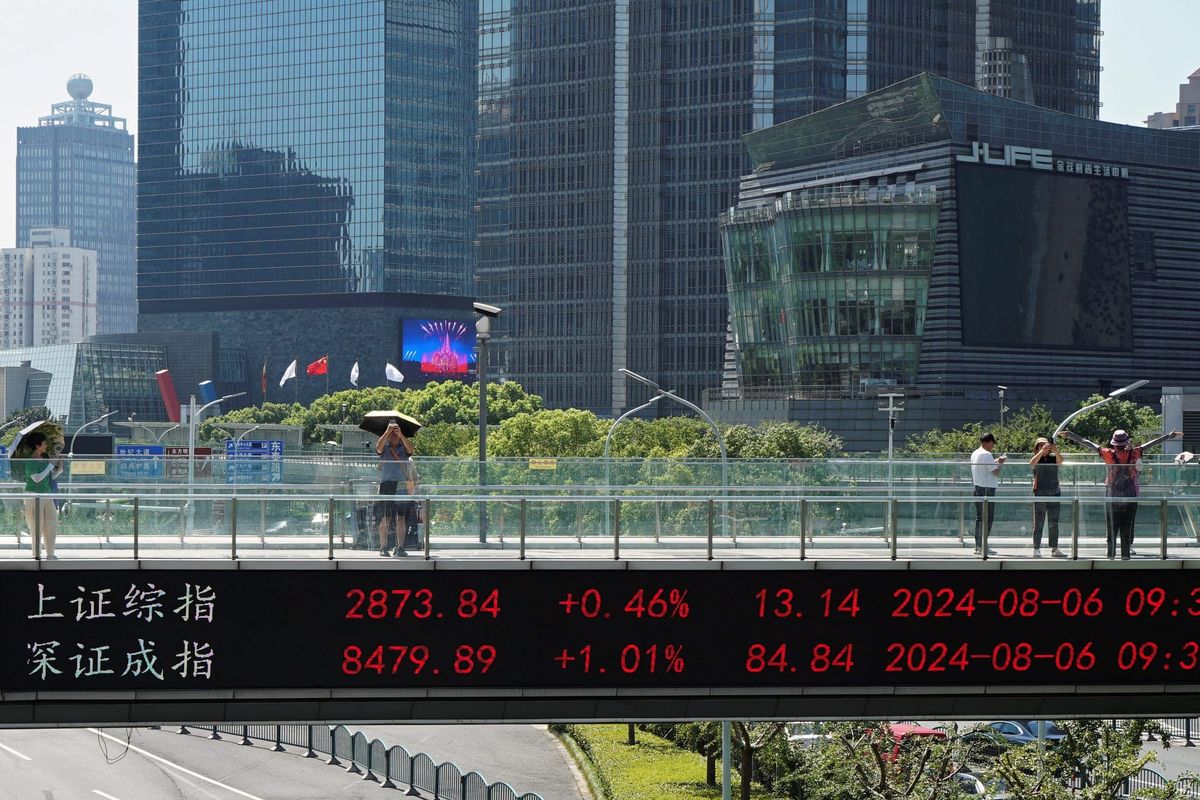
Asian financial markets surged, rebounding from a slow start to 2025. Investor sentiment improved as global markets digested signals from the U.S. Federal Reserve about future rate policies and re-emerging political dynamics involving former U.S. President Donald Trump. The dollar's ascent to a two-year high added a layer of complexity to the already volatile market landscape.
Global Context: The Federal Reserve and Interest Rates
The Federal Reserve's latest commentary was on its intent to fight inflation while keeping the economy growing. Markets are now preparing for another round of interest rate hikes in 2025. Fed Chairman Jerome Powell's speech at the recent economic symposium indicated a careful but firm approach to possible hikes. This has made the global market more sensitive, with investors watching U.S. Treasury yields, which have been increasing.
Asian equities reacted well to this news. Regional indices have since reflected positive investor sentiment as Japanese Nikkei 225 posted a gain of 1.8 per cent, while China's Shanghai Composite rose 1.2 per cent to post gains in industrial production that significantly exceeded expectations.
Trump Returns to the Spotlight
The return of Donald Trump into the political fray has rekindled discussions around U.S. fiscal policies, trade relationships, and geopolitical strategies. His influence on the Republican Party and possible candidacy in the 2024 presidential race has added uncertainty to markets already trying to find their footing after the pandemic.
Key Performances Across Asian Markets
Japan: The Nikkei 225 gained momentum as corporate earnings for Q4 2024 painted an optimistic picture. Export-driven sectors, such as electronics and automobiles, benefited from a weaker yen.
China: Beijing's policies aimed at stabilizing the real estate market and boosting domestic consumption contributed to gains. The yuan's depreciation against the dollar added export competitiveness.
South Korea: The KOSPI index increased 1.5% due to a significant gain in semiconductor stocks. Its largest stock, Samsung Electronics, led the pack after reports of a breakthrough in chip technology.
Currency Diversions: Dollar Hits Two-Year High
The USD has gained against most major currencies, and the dollar index is seen at its highest since January 2023. This suggests some excellent economic data out of the U.S. and investor love for safe havens with global uncertainty increasing.
Asian currencies, such as the Japanese yen and South Korean won, fell against the dollar. A weaker yen has traditionally been positive for Japan's export-driven economy, while the central bank of South Korea faces the challenge of stabilizing the won without crushing growth.
Oil and Commodities
Crude oil continued to fluctuate as fears arise over global consumption and production losses by major petroleum-exporting nations. Brent crude traded at around $85 for a barrel based on volatility amid geopolitical tensions from the Middle East.
Gold's prices fell moderately as the currency strength dimes down demand, but analysts view a rebound owing to persistent fear of inflation within the global platform.
Market outlook: Challenges and Opportunities
Despite the current optimism, Asian markets still face challenges. Inflationary pressures, supply chain disruptions, and geopolitical tensions—especially in the South China Sea and the Taiwan Strait—may affect investor sentiment. However, growth opportunities in renewable energy, technology, and digital transformation sectors are promising.

FAQs
What pushed the dollar to a two-year high?
The reason behind the surge in dollar value is based on strong data regarding the US economy, the increased yields on Treasuries, and the commitment of the Federal Reserve towards curbing inflation. It's an attractive safe haven.
Asian markets and how they are reacting to U.S. Federal Reserve policies
Asian markets are hopeful as equities start gaining pace, but still worried about the hike in interest rates.
What's the impact of Trump's political activities on global markets?
Trump’s influence adds uncertainty to global trade and fiscal policies, potentially affecting investor confidence and market stability.
Which Asian sectors are driving market growth in 2025?
Technology, automotive, and renewable energy sectors are leading growth, supported by favorable policies and increased demand.
What risks should investors consider in Asian markets?
Risks include geopolitical tensions, inflationary pressures, and the impact of a stronger dollar on regional currencies and trade balances.