Asia Equities Slide as US Stock Futures Tumble on China’s AI Push; Dollar Firms
Asian equities and US stock futures slumped as China's AI advances disrupted tech markets. Meanwhile, the dollar firmed amid geopolitical tensions following President Trump’s sanctions on Colombia over migrant disputes.

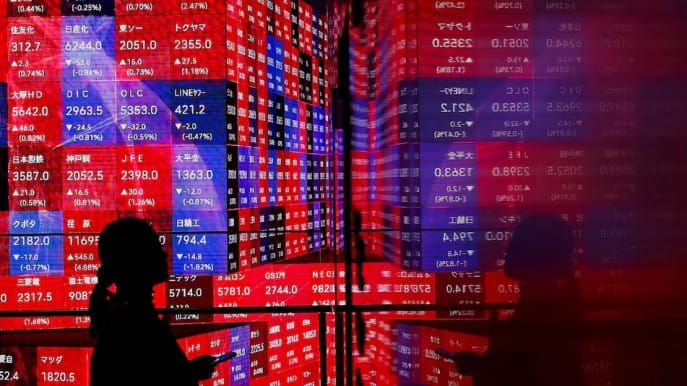
The global financial markets witnessed a turbulent start to the week, with Asian equities and US stock futures reacting sharply to China’s AI developments. The dollar, on the other hand, firmed in response to recent geopolitical actions by President Donald Trump. This article explores the key drivers behind these market movements and their potential implications.
China’s AI Push Shakes Tech Markets
Chinese startup DeepSeek has launched a free, open-source AI model to compete with OpenAI's ChatGPT. The development has increased concerns over US tech dominance, which is sending the Nasdaq Composite and S&P 500 futures into a whirlwind.
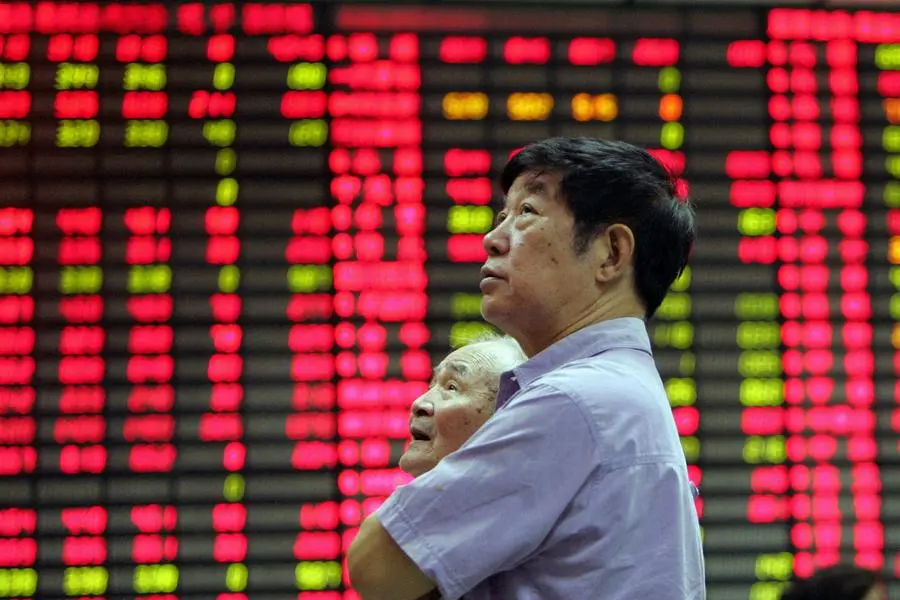
According to analysts, this development is a testament to China's strength in AI development despite US-imposed restrictions.
US Stock Futures Plunge Sharply
US stock futures plummeted after the AI announcement:
Nasdaq Composite futures declined by 1.8%
S&P 500 futures fell by 0.9%
Japan's Nikkei reversed gains, falling 0.3%
New Zealand's equity benchmark fell 0.6%
Singapore's Straits Times Index fell 0.2%
Asian Markets Mixed
While most Asian equities fell, Hong Kong's Hang Seng Index bucked the trend with a 0.9% gain, and mainland Chinese blue chips rose 0.2%. Investors seemed to look past a contraction in manufacturing data to find optimism in the long-term potential of China's AI sector.
Dollar Strengthens Amid Tariff Concerns
In the currency markets:
The dollar rose 0.3% against the offshore Chinese yuan.
It advanced 0.4% against the Australian dollar and 0.5% against the New Zealand dollar.
The Mexican peso fell 1%, and the Canadian dollar slipped 0.3%.
The Colombian peso had risen 3.4% in the previous sessions but remained under watch.
Trump's Trade Policy Adds to Volatility
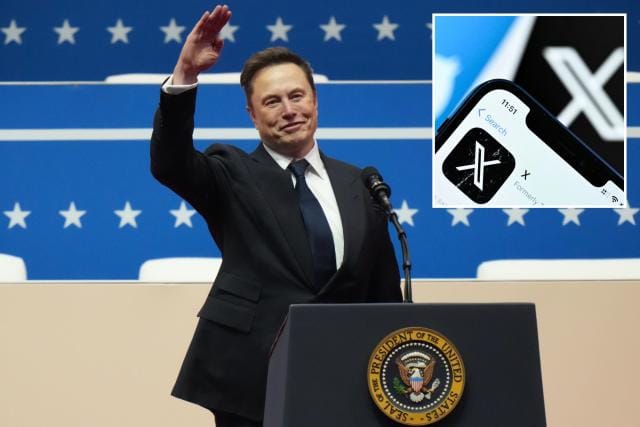
President Trump has now added uncertainty in the recent imposition of retaliatory levies and sanctions on Colombia for blocking military aircraft carrying deported migrants. On his part, Trump reassured markets by saying that he wanted to avoid excessive tariffs on China and showed that there is a possibility of a trade deal.
Crude Oil and Gold Prices Decline
Brent crude fell 1.2% to $77.60 per barrel.
US West Texas Intermediate (WTI) crude fell 1.2% to $73.78 per barrel.
Gold fell 0.6% to $2,755.85 per ounce.
Bitcoin was down 3.5% at $101,415.12.
A Critical Week for Global Markets
Given that the monetary policy from central banks including Fed in the US and ECB in Europe will be announcing respective decisions, it is a very crucial week for markets across the globe. And with several of the biggest stock markets closed for the Lunar New Year, then liquidity levels would get into an impact.
Frequent Asked Questions
Why did Asian equities decline on Monday?
Asian equities fell due to investor concerns over China's AI advancements and their impact on US tech dominance, coupled with uncertainty surrounding Trump’s trade policies against Colombia.
How did china's AI thrust affect global market shares?
China's AI advancement induced sell-offs into US techs and increased market sentiments with the Chinese stock markets, eliciting mixed sentiments among global equities.
What made the dollar rally?
The dollar hardened as investors flocked to safe-haven assets in light of geopolitical tensions, particularly over Trump's new sanctions on Colombia and the continued uncertainties over tariffs.
Why did oil and gold prices fall?
Crude oil fell as Trump pressured OPEC to lower prices, while gold fell as the US dollar hardened and investor sentiment changed.
What should investors watch for in the coming week?
Investors should closely monitor central bank policy decisions, US-China trade developments, and ongoing geopolitical risks impacting global financial stability.