Article: Global Inflation: UAE Tracks Prices Around the World to Prevent Unjustified Hikes
Under a new policy, the UAE banned increasing prices of nine basic consumer goods. The government tracks global price trends to ensure consumer protection and prevent unjustified local hikes.

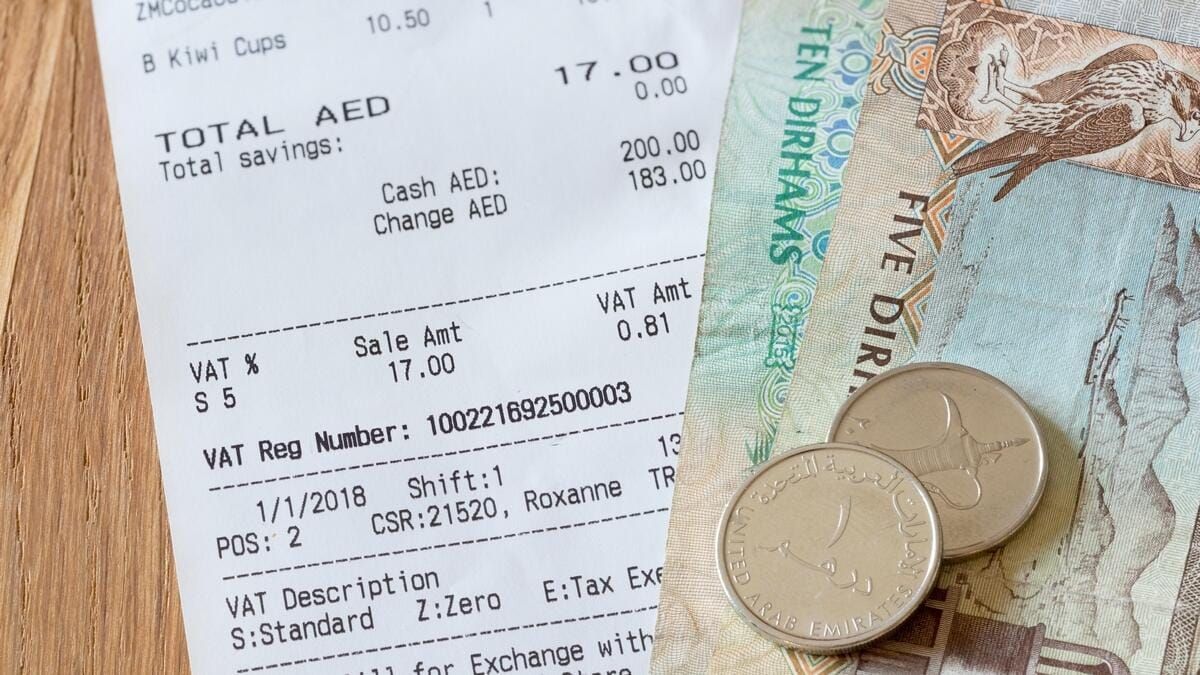
Inflation has been a persistent challenge worldwide, affecting economies and consumer well-being. The UAE, despite being a food-importing country, has managed to keep its inflation rates significantly lower than global averages. This achievement is attributed to stringent price control mechanisms and proactive government policies aimed at consumer protection. This article delves into the UAE's approach to managing inflation, the newly introduced policies, and their broader implications for the economy and consumers.
UAE's Inflation Rates vs. Global Averages
According to Abdullah Ahmed Al Saleh, undersecretary of the Ministry of Economy, the UAE’s local inflation rate saw a 2.2% average annual increase over the last three years. This is in stark contrast to global food commodity inflation rates, which have risen by 5-6% annually. The UAE’s inflation is projected at 2.3% in 2024 and 2.1% in 2025, compared to the International Monetary Fund’s global headline inflation projections of 5.8% and 4.3% for the same years. These figures underscore the effectiveness of the UAE's inflation management strategies.
Price Monitoring and Control Mechanisms
The UAE government closely monitors international price trends to prevent unwarranted hikes in local markets. This involves comparing global and local price movements, particularly for essential consumer goods, to ensure that any increase aligns with global trends. “We monitor all these increases in the international markets and compare the trend in the local market to make sure that there is no increase in the local market against the trend in the international prices,” Al Saleh explained.

New Pricing Policy: Key Highlights
On January 2, 2025, the UAE will implement a new pricing policy to further strengthen consumer protection:
Banned Price Hikes: The policy bans increasing the prices of nine essential consumer goods, including cooking oil, eggs, dairy, rice, sugar, poultry, legumes, bread, and wheat, without prior approval from the Ministry of Economy.
Profit Margin Cap: A cap will be imposed on the profit margins of retailers and suppliers for these commodities to ensure price stability.
Transparency in Unit Pricing: The Ministerial Decision No. 245 of 2024 mandates clear unit pricing for essential goods, allowing consumers to make informed decisions.
Code of Conduct: The Ministerial Decision No. 247 of 2024 outlines guidelines and best practices for supplier-retailer relationships to prevent any adverse impact on commodity prices.
Implications for Retailers and Suppliers
Retailers and suppliers are required to adhere strictly to the new regulations. Violations could result in penalties, including fines of up to Dh1 million and potential closure of businesses. “The ministerial decision also deals with the pricing of the unit for transparency and the awareness among the consumer,” Al Saleh noted.
Establishing Committees and Streamlined Procedures
The government is taking steps to enhance the enforcement of these policies:
Inspection Committees: Each emirate will have designated inspection teams to ensure compliance.
Consumer Complaints: Clear procedures have been established for consumers to report complaints to local authorities or the Ministry of Economy.
Supplier Applications for Price Increases: Suppliers must submit detailed documentation and evidence if they wish to increase prices. The Ministry will review these applications within 30 days, extendable by 15 days, before making a final decision.
Factors Influencing Local Prices
The UAE’s pricing policies take into account various external factors that affect local prices:
Higher Shipping Costs: As a food-importing nation, the UAE is susceptible to fluctuations in global shipping rates.
Geopolitical Crises: Regional and international conflicts can disrupt supply chains, impacting commodity prices.
Natural Calamities: Adverse weather conditions and natural disasters also influence global food prices.
Focus on Self-Reliance
Post-Covid-19, the UAE has been actively working towards self-reliance in food supply. By diversifying source markets and expanding local production capacities, the government aims to ensure uninterrupted supply and maintain price stability for essential goods.
Broader Economic Implications
These policies not only protect consumers but also strengthen the UAE’s position as a stable economic hub. By maintaining low inflation rates, the country attracts foreign investment and boosts consumer confidence, contributing to overall economic growth.
The UAE’s proactive measures to manage inflation and ensure consumer protection set a benchmark for other nations. Through stringent policies, transparency, and collaboration with stakeholders, the country continues to navigate global economic challenges effectively.
FAQs
Why is the UAE’s inflation rate lower than global averages? The UAE has implemented stringent price control mechanisms, monitors global trends, and imposes profit margin caps on essential goods, contributing to lower inflation rates.
What are the nine essential consumer goods covered under the new policy? Cooking oil, eggs, dairy, rice, sugar, poultry, legumes, bread, and wheat are the nine commodities regulated under the new policy.
What penalties do violators of the pricing policy face? Violators could face fines of up to Dh1 million and potential closure of their businesses.
How does the government ensure transparency in pricing? The Ministry of Economy mandates clear unit pricing for essential goods, enabling consumers to make informed purchasing decisions.
What steps is the UAE taking towards self-reliance in food supply? The UAE is diversifying its source markets and expanding local production capacities to reduce dependency on imports and maintain price stability.